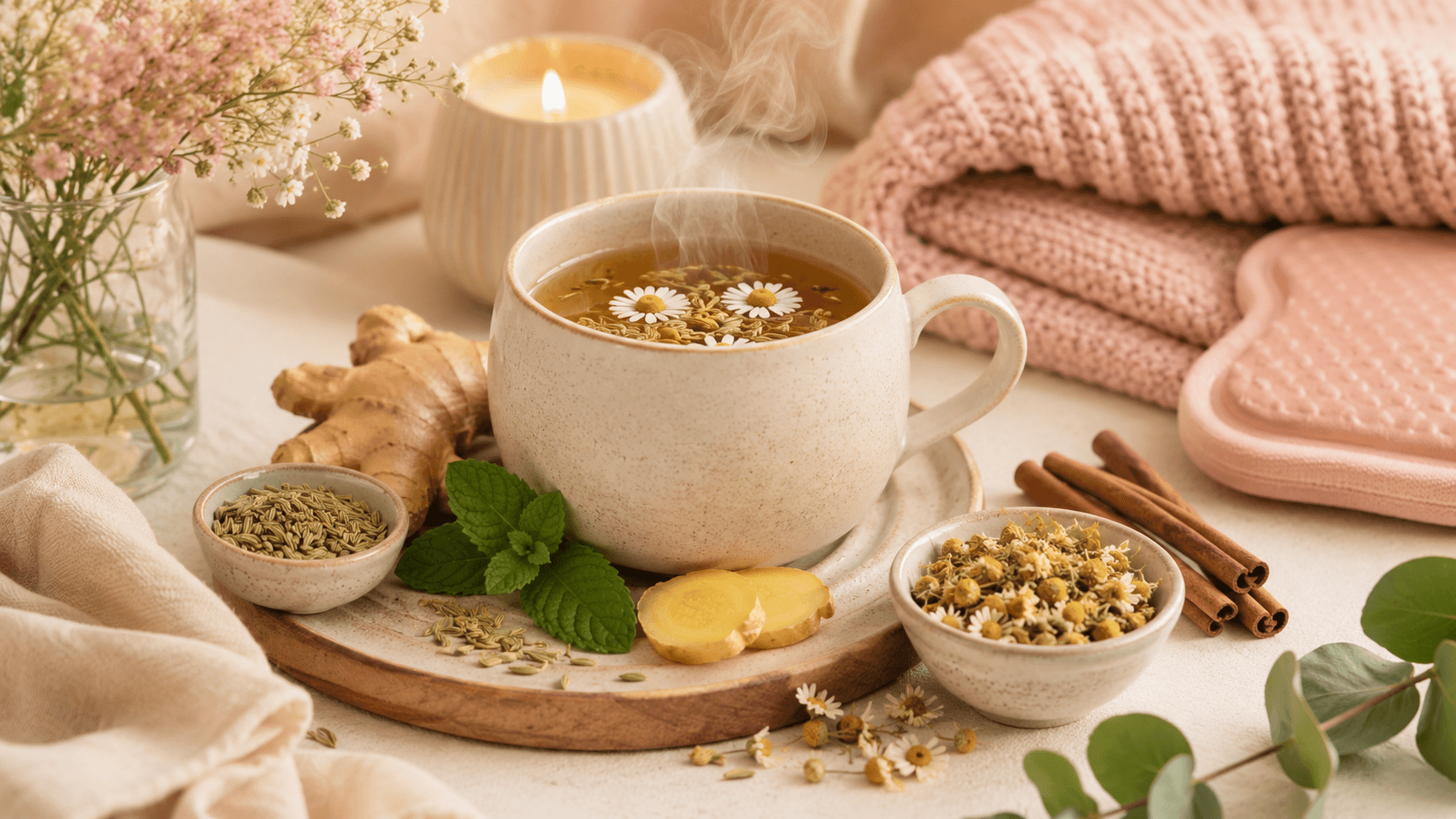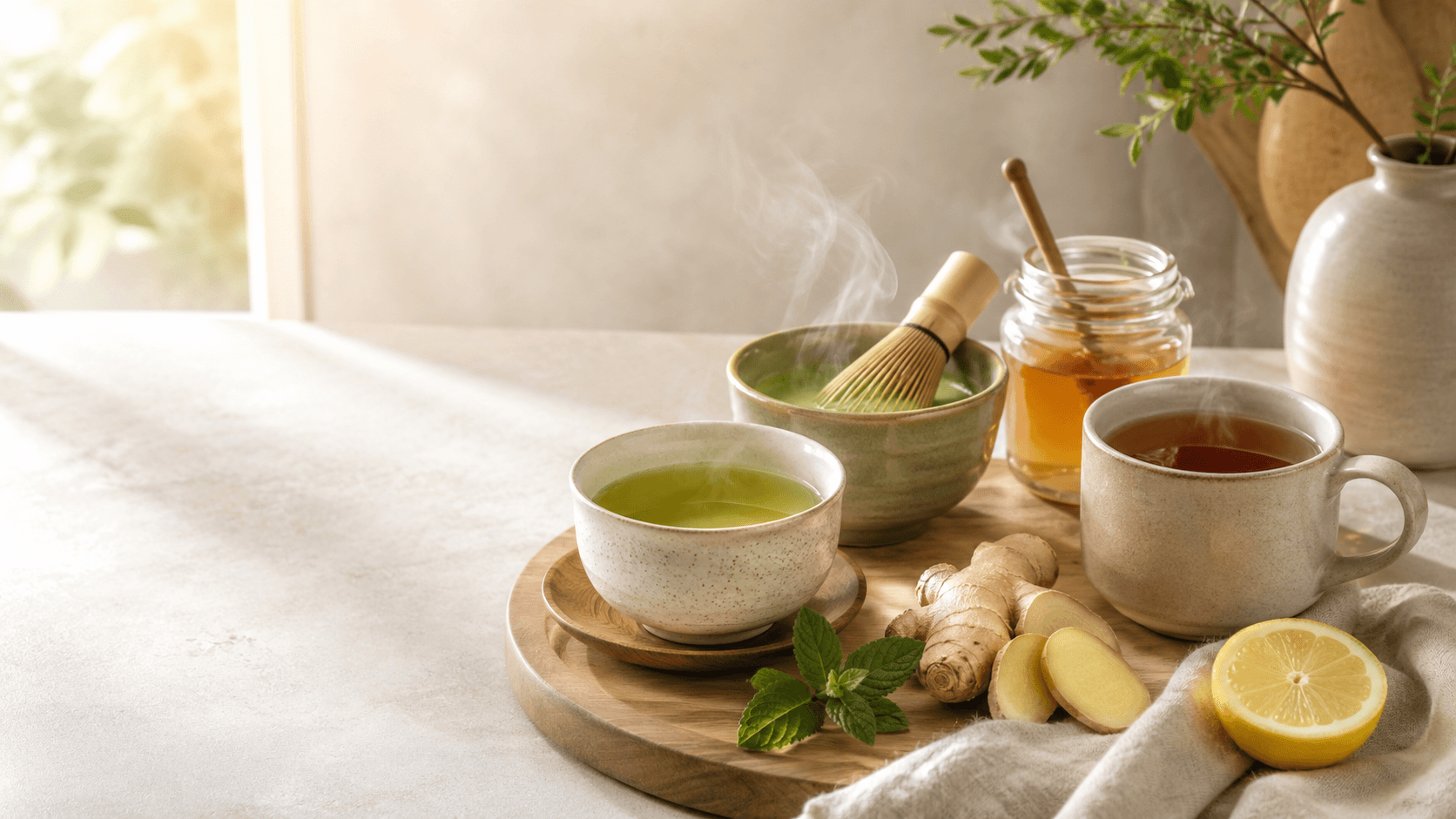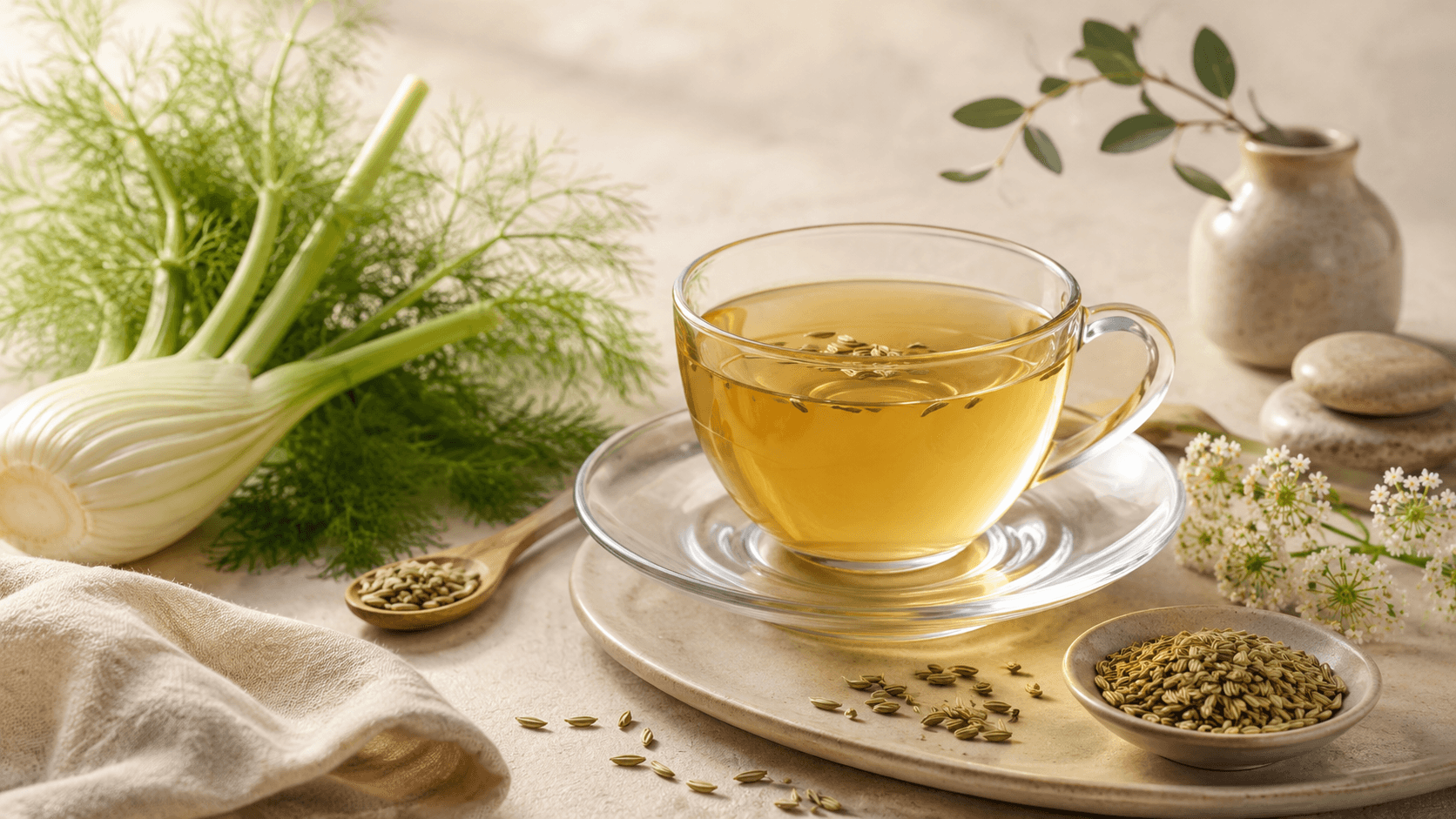
Tea for Gut Health: A Beginner’s Guide to Better Digestion.
Discover gentle teas for better digestion, less bloat, everyday comfort, and calmer daily sipping today.
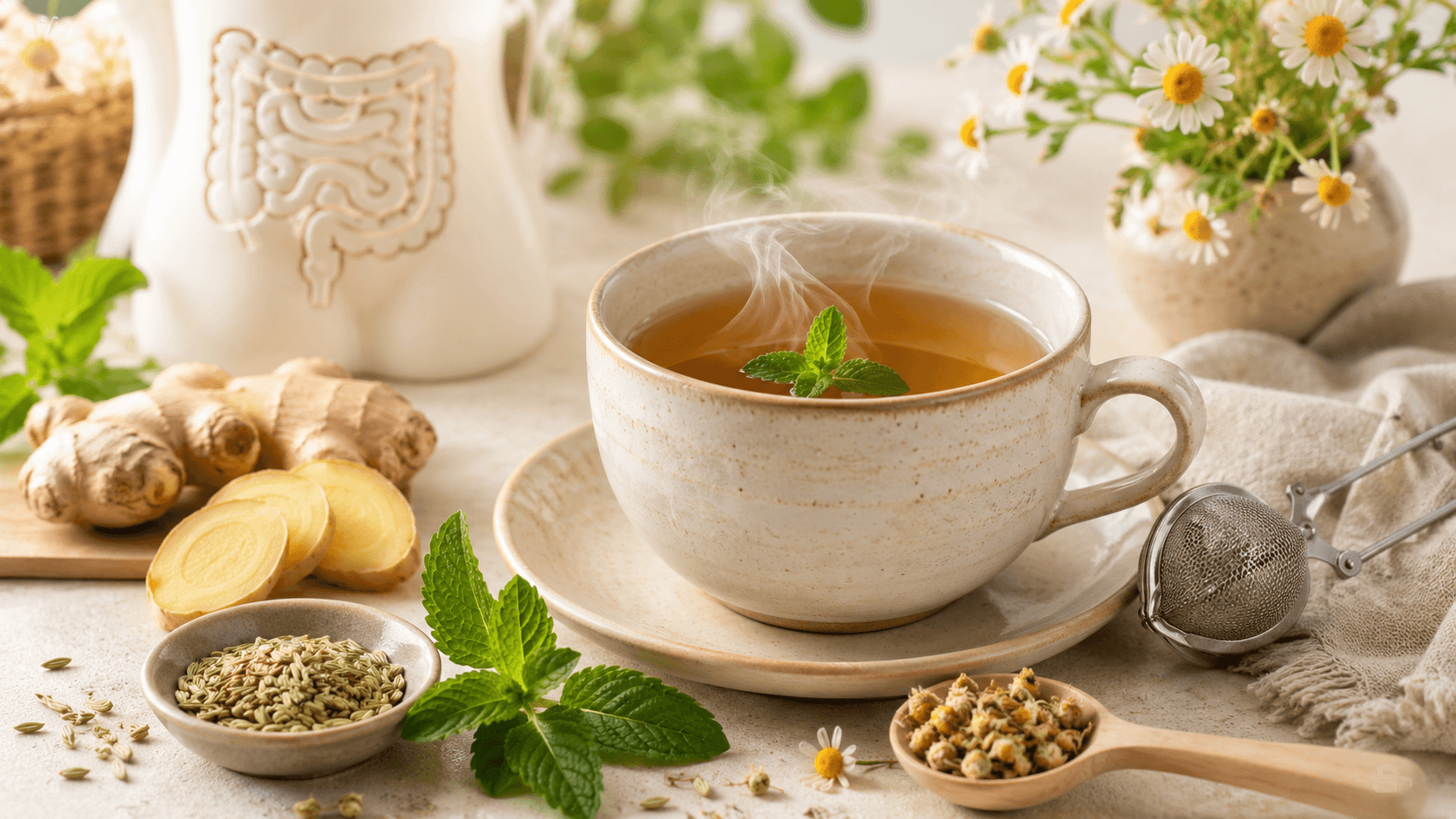
Your gut has a funny way of getting your attention.
Sometimes it whispers: Hmm, that lunch was a choice.
Sometimes it yells: Why are we wearing jeans today?
And sometimes it sends the whole committee—bloating, heaviness, gas, cramps, and that uncomfortable “something is off” feeling that makes you rethink every bite you’ve taken since breakfast.
That’s where Tea for Gut Health can become a gentle place to start.
Not because tea is magic. It is not. No cup of peppermint or ginger is going to march into your digestive system wearing a tiny cape and fix your entire life.
But tea can help you create a small, soothing ritual around your digestion. Warm liquid. Calming herbs. A quiet pause after meals. A little hydration. A moment where your body gets to unclench.
And honestly?
Sometimes that is exactly what we need.
In this beginner’s guide, we’ll look at the best teas for gut comfort, including ginger, peppermint, fennel, chamomile, green tea, and pu-erh. We’ll talk about which tea may be better for bloating, which one is gentler after meals, when to drink them, and how to build a simple gut-friendly tea routine without turning your kitchen into a wellness laboratory.
Because your gut does not need another complicated rulebook.
It needs a cup that makes sense.
For a deeper look at digestive tea basics, you may also like our guide on Tea for Digestion: How Tea Can Soothe and Support Your Digestive Health.
What Does “Gut Health” Actually Mean?
“Gut health” sounds like one of those wellness phrases that got dressed up for the internet.
A little vague. A little shiny. Possibly holding a green smoothie.
But at its simplest, gut health means this: your digestive system is doing its job in a way that feels steady, comfortable, and regular for you.
That includes how your body breaks down food, absorbs nutrients, moves things along, and keeps your inner digestive world balanced. When your gut feels supported, you may notice less bloating, fewer uncomfortable after-meal surprises, and a calmer relationship with food.
Think of your gut like a tiny neighborhood.
When everything is working well, traffic moves. The lights stay on. The neighbors are friendly. Nobody is yelling from the balcony.
When things feel off, that little neighborhood gets noisy. Food sits too long. Gas builds up. Your stomach feels tight. Your body starts sending little complaint letters in the form of bloating, pressure, or heaviness.
Tea can be a gentle support in that neighborhood.
A warm cup may help you slow down after eating. Herbal teas like peppermint, fennel, ginger, and chamomile have long been used as soothing digestive sips. Some true teas, like green tea and pu-erh, bring plant compounds that may support overall wellness, too.
But here’s the important part: Tea for Gut Health is not about forcing your body into perfection.
It is about paying attention.
Which tea feels good after lunch? Which one makes your stomach feel calmer at night? Which one tastes lovely enough that you will actually drink it again tomorrow?
That matters.
Because the best gut health habit is not the one that looks impressive on Pinterest.
It is the one you will repeat when real life is happening, the dishes are in the sink, and your stomach is asking for a little kindness.
Can Tea Really Help Gut Health?
Tea can help support gut comfort.
But let’s keep both feet on the kitchen floor here.
Tea is not a cure-all. It will not erase a week of stress, fix every digestive issue, or politely ask your bloating to leave the room forever. I wish. We would all own larger tea cabinets and fewer stretchy pants.
What tea can do is support a calmer digestive rhythm.
Warm tea after a meal can help you slow down. That alone matters more than we give it credit for. Many of us eat like we are being chased by deadlines, laundry, emails, and one mysterious notification we forgot to answer. Then we wonder why our stomach feels tense.
A warm cup creates a pause.
Some teas also bring ingredients traditionally used for digestive comfort. Ginger tea is often sipped when the stomach feels heavy or unsettled. Peppermint tea is popular after meals when gas or bloating shows up. Fennel tea has a gentle, slightly sweet flavor that many people love for post-meal comfort. Chamomile can be helpful when your stomach feels tied to stress, especially in the evening.
Then there are true teas, like green tea and pu-erh. These come from the Camellia sinensis plant and contain natural plant compounds that may support overall wellness. They are not always the first choice for bloating, but they can be part of a gut-friendly tea routine, especially earlier in the day.
The secret is choosing the right tea for the right moment.
A bloated belly after dinner may want fennel or peppermint. A heavy lunch may call for ginger. A nervous stomach before bed may prefer chamomile.
Tea for Gut Health works best when you treat it less like a quick fix and more like a small daily conversation with your body.
You sip.
You notice.
You adjust.
And one important note: if you have severe pain, ongoing bloating, vomiting, blood in your stool, unexplained weight loss, or symptoms that keep coming back, tea is not the next step. A healthcare professional is.
Tea belongs in the comfort corner.
Not the emergency room.
Best Teas for Gut Health Beginners
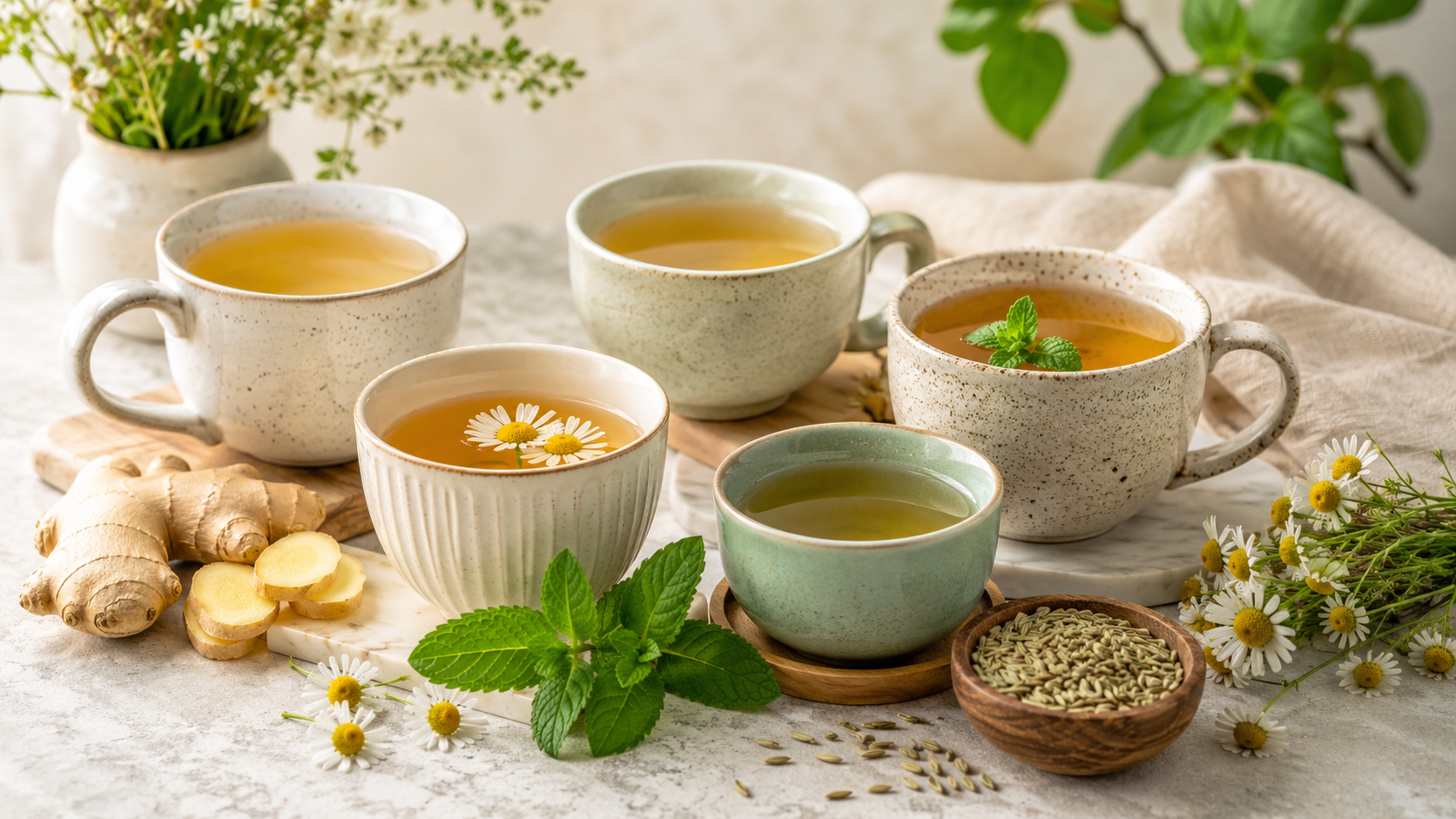
The tea aisle can feel like a very calm, very pretty maze.
Boxes everywhere. Leaves. Roots. Flowers. Promises. A sleepy bear on one package. A glowing person doing yoga on another. Suddenly you came in for “something for my stomach” and now you are comparing twelve herbal blends like you are judging a tiny botanical talent show.
So let’s make this simple.
The best Tea for Gut Health is the one that matches what your body is feeling right now. Bloating is different from nausea. A heavy stomach is different from stress tension. A tea that feels lovely after lunch may not be the tea you want before bed.
Here are the beginner-friendly options worth knowing.
Ginger Tea — Best for Heavy Meals and Queasy Days
Ginger tea is the warm, spicy friend who shows up after a rich meal and says, “Okay. Let’s handle this.”
It has a bold flavor, a little heat, and that cozy kitchen-medicine feeling without tasting like punishment. Many people reach for ginger when their stomach feels heavy, unsettled, or mildly queasy.
It is especially nice after meals that sit like a sofa in your stomach. Creamy pasta. Fried food. Holiday dinners. That “I was hungry and made decisions” lunch.
To make ginger tea softer, add a squeeze of lemon or a small spoon of honey. Fresh ginger slices work beautifully, but tea bags are perfectly fine too.
No tea snobbery here.
Peppermint Tea — Best for Bloating and Gas
Peppermint tea tastes like a clean window feels.
Fresh. Cool. Light. A little brisk.
It is one of the most popular herbal teas for bloating and gas, especially after meals. Because it is naturally caffeine-free, it can fit into an afternoon or evening routine without bossing your sleep around.
Peppermint is a good choice when your stomach feels tight, puffy, or full of little air bubbles staging a protest.
One gentle note: peppermint may not be the best fit for everyone with acid reflux. For some people, it can make reflux feel worse. If that is you, skip it and try fennel or chamomile instead.
Your stomach gets a vote.
Fennel Tea — Best for Gentle Bloat Support
Fennel tea is peppermint’s softer cousin.
It has a naturally sweet, slightly licorice-like flavor. Not candy sweet. More like a quiet sweetness that sits politely in the cup.
Fennel is often used after meals when the belly feels full, gassy, or uncomfortable. It is a lovely beginner tea because it feels gentle and does not have the sharpness of ginger or the cooling intensity of peppermint.
It is the kind of tea you sip when you want your digestion to feel less dramatic.
For a deeper dive, read our guide on Sip Away Bloat Fast: Fennel Tea for Digestion Calms Your Gut in Minutes.
Chamomile Tea — Best for Stress-Related Stomach Tension
Sometimes your stomach is not upset because of what you ate.
Sometimes it is upset because your brain has been running a 47-tab browser all day.
That is where chamomile tea shines. Chamomile is gentle, floral, caffeine-free, and deeply associated with evening calm. It is a good choice when your stomach discomfort seems connected to stress, tension, or that end-of-day wired-but-tired feeling.
A warm cup of chamomile after dinner can feel like lowering the lights inside your body.
Not dramatic.
Just softer.
Green Tea — Best for Antioxidant Support
Green tea is not usually the first tea people think of for bloating relief, but it can still be part of a gut-friendly routine.
It comes from the Camellia sinensis plant and contains natural plant compounds often associated with overall wellness. It also has caffeine, so timing matters. Morning or early afternoon is usually better than late evening unless you enjoy staring at the ceiling at 11:43 p.m. with your eyes fully open.
The trick with green tea is not to bully it.
Use water that is hot but not boiling, and steep it for only 2 to 3 minutes. Over-steeped green tea can taste bitter, grassy, and a little like it is mad at you.
Brew it gently, and it becomes clean, light, and refreshing.
Pu-erh Tea — Best for Curious Tea Lovers
Pu-erh is for the reader who wants to wander a little deeper into the tea world.
It is a fermented tea with an earthy, smooth, almost grounding flavor. Some people love it after meals because it feels rich and satisfying without being sweet. It is not as beginner-obvious as peppermint or chamomile, but it is worth exploring if you like deeper, darker teas.
Think of pu-erh as the cozy library corner of gut-friendly teas.
A little mysterious. A little earthy. Very much wearing a cardigan.
You can learn more in our guide on The Miraculous Journey of Understanding Pu-Erh Tea Benefits.
The easiest way to begin? Choose one tea based on your main concern.
Bloating? Try fennel or peppermint.
Heavy meals? Try ginger.
Stress stomach? Try chamomile.
Daily wellness sip? Try green tea.
Curious tea mood? Try pu-erh.
Start there. One cup. One simple experiment. No complicated wellness spreadsheet required.
Tea for Gut Health by Symptom: What to Sip and When
Your stomach is not always asking for the same kind of help.
Sometimes it feels bloated.
Sometimes it feels heavy.
Sometimes it feels nervous, as if your gut has read your entire to-do list and would like to resign.
That is why choosing Tea for Gut Health works best when you match the tea to the moment. Think of it like picking shoes. You would not wear hiking boots to a quiet dinner or soft slippers to climb a trail. Same idea. Different cup.
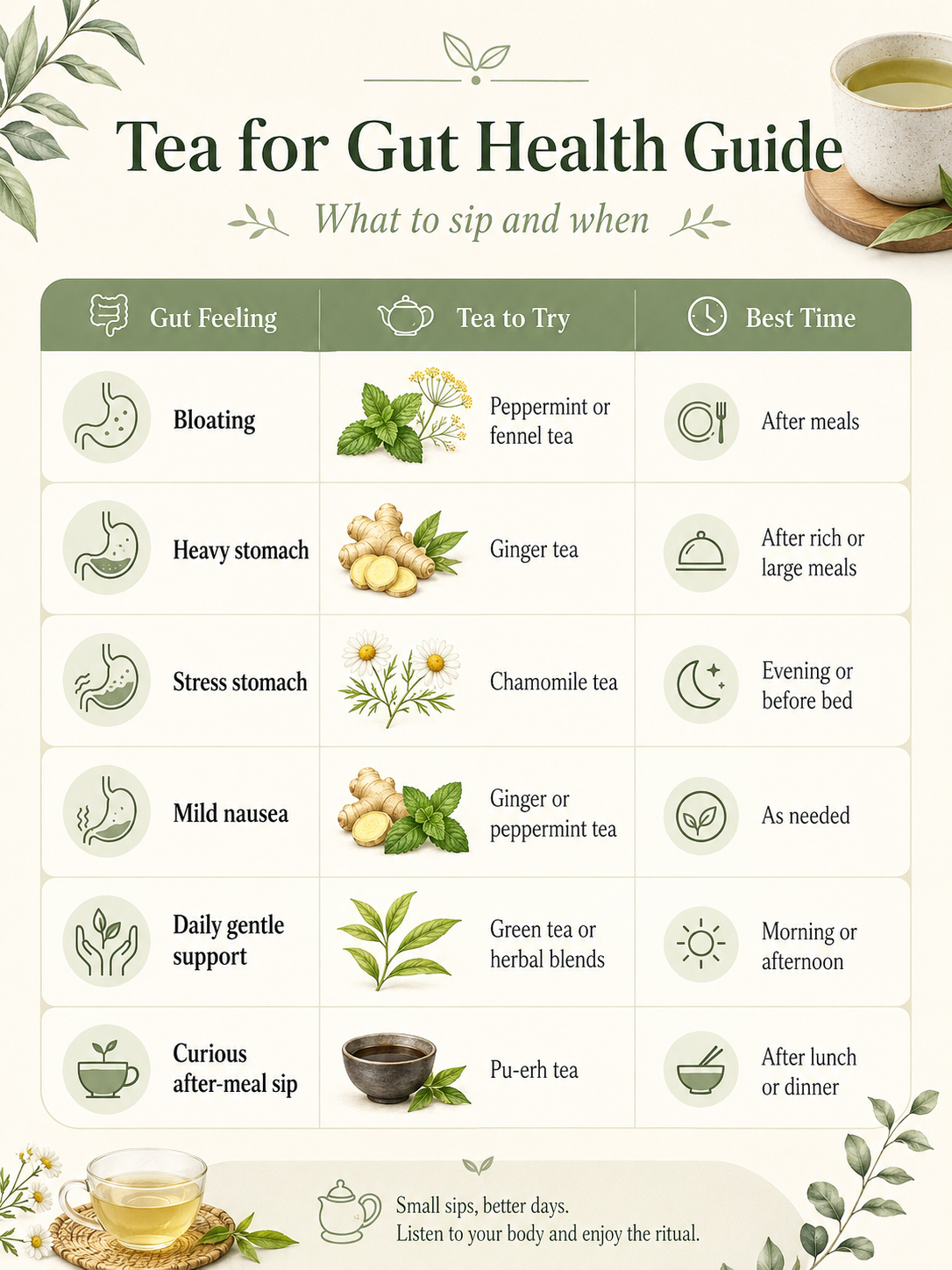
If bloating is your main issue, start with peppermint or fennel. Peppermint feels cool and refreshing, while fennel feels softer and slightly sweet. Both are common after-meal choices.
If your stomach feels heavy, ginger is usually the more comforting pick. It has warmth and a little fire. Not dragon-level fire. More like a friendly kitchen candle.
If your belly discomfort seems tied to stress, chamomile may be the better cup. Stress can make digestion feel tighter, louder, and more dramatic. Chamomile brings the mood down a notch, especially at night.
If you want a daily tea habit that supports overall wellness, green tea can fit beautifully into your morning or afternoon. Just remember that it has caffeine. Your gut may love it, but your sleep may have opinions.
And if you want something deeper and more tea-lover-ish, try pu-erh after meals. Its earthy flavor is not for everyone, but for some people, it becomes a favorite comfort cup.
For more help with bloating-specific teas, you can also read Soothing Sips: The Best Tea for Bloating and Gas Relief.
The most helpful question is not “What is the best tea ever?”
It is: What is my body asking for today?
That tiny shift makes tea feel less like a trend and more like a relationship.
How to Make Tea for Gut Health the Right Way
Making tea for gut comfort should not feel like assembling furniture with missing screws.
It should feel simple.
Warm water. Good tea. A few quiet minutes. Sip.
That said, a few small brewing choices can make the difference between a cup that feels soothing and a cup that tastes like disappointment wearing a leaf costume.
Here is how to make Tea for Gut Health in a way your taste buds—and your stomach—can appreciate.
Use Water That Is Hot, Not Angry
Boiling water has its place.
But not every tea wants to be blasted like it is late for a meeting.
Herbal teas are usually happy with very hot water because roots, seeds, and flowers need time and heat to release their flavor. Ginger, fennel, peppermint, and chamomile can handle a strong steep.
Green tea is different.
Green tea prefers gentler water. If the water is boiling, it can pull out too much bitterness and make your cup taste sharp or grassy. Let the water cool for a minute or two after boiling before pouring it over green tea.
A softer brew is usually a better brew.
Especially when your goal is gut comfort.
Steep Long Enough to Matter
A tea bag dipped three times into hot water is not tea.
It is a polite introduction.
Herbal teas need time. If you are making peppermint, fennel, chamomile, or ginger tea for digestion, let it steep long enough for the plant ingredients to actually show up in the cup.
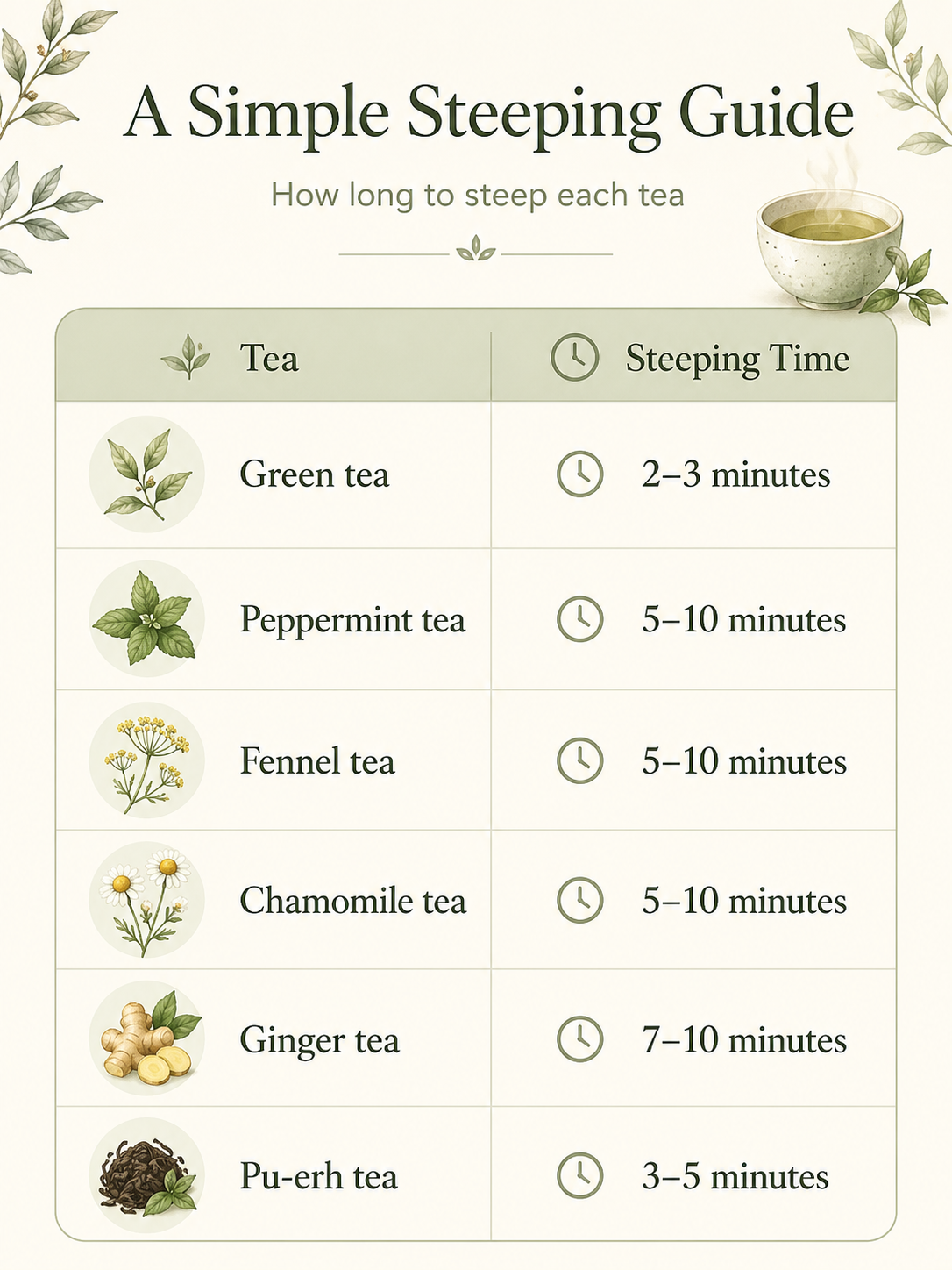
If you like a stronger flavor, steep a little longer—especially with herbal teas. But be careful with green tea. Green tea gets bitter when it is over-steeped, and nobody needs a cup that tastes like lawn sadness.
Keep Add-Ins Gentle
A little add-in can make gut-friendly tea more enjoyable.
A squeeze of lemon can brighten ginger tea. A small spoon of honey can soften fennel or chamomile. A slice of fresh ginger can make peppermint tea feel warmer and more layered.
But try not to turn your tea into dessert with a passport.
Too much sugar, syrup, or heavy creamer may work against the light, soothing feeling you are trying to create. The goal is comfort, not a candy shop in a mug.
Start simple:
Tea
Hot water
Optional lemon
Optional honey
Optional fresh ginger
That is enough.
Your gut does not need a complicated production. It needs consistency, warmth, and ingredients that feel good to you.
Use a Covered Cup for Herbal Tea
This is a tiny trick, but it helps.
When you steep herbal tea, cover the mug with a small plate, saucer, or lid. This helps keep the heat and aromatic oils inside the cup instead of letting them drift away like tiny botanical ghosts.
It is especially useful for peppermint, chamomile, and fennel.
A covered steep gives you a fuller flavor and a more fragrant cup.
And honestly, it makes the whole thing feel a little more intentional. Like your tea is getting tucked in for a five-minute nap before doing its job.
Make It a Pause, Not Just a Beverage
This may be the most important part.
Tea for Gut Health is not only about what is in the cup. It is also about how you drink it.
After a meal, sit for a few minutes. Sip slowly. Let your body register that eating is finished and digesting has begun.
No rushing.
No chugging peppermint tea while answering emails and standing over the sink.
Well, okay. Real life happens. But when you can, give the cup a little space.
A warm tea ritual tells your body: we are safe, we are slowing down, we are not eating lunch like a raccoon behind a restaurant.
And that small pause can be surprisingly powerful.
A Simple 3-Cup Tea Routine for Gut Comfort
A gut-friendly tea routine does not need to be dramatic.
You do not need a special shelf. Or a copper kettle. Or a handwritten tea journal tied with linen string.
Lovely? Yes.
Required? Absolutely not.
The best routine is the one you can actually do on a normal Tuesday when your inbox is loud, your lunch was rushed, and your stomach is making tiny whale noises.
Here is a simple 3-cup rhythm to try.
Morning: Green Tea or Ginger Tea
Start the day with a cup that feels light but intentional.
Green tea is a good morning option if you want a gentle caffeine lift and a clean flavor. It pairs well with breakfast and gives you that “fresh start” feeling without the heavy buzz of coffee.
Just brew it gently. Green tea does not enjoy being over-steeped. It gets bitter fast, like it has been personally offended.
If caffeine is not your friend, try ginger tea instead. Ginger brings warmth and a little brightness to the morning, especially if your stomach feels sluggish or unsettled.
A squeeze of lemon makes it feel extra awake.
After Lunch: Peppermint or Fennel Tea
This is the cup many beginners notice most.
After lunch, your digestion is doing real work. Food is moving. Your stomach is sorting. Your body is trying to turn your sandwich, salad, soup, or leftovers into energy.
A cup of peppermint or fennel tea can create a helpful pause.
Peppermint feels fresh and cooling, which can be lovely when your belly feels tight or gassy. Fennel feels softer and slightly sweet, making it a gentle choice for bloating or post-meal heaviness.
Think of this cup as a little “thank you” to your digestive system.
Not a command.
A kindness.
Evening: Chamomile Tea
Evening is when your body starts asking for softer things.
Softer lights. Softer clothes. Softer conversations. Softer snacks, ideally not eaten directly over the sink.
Chamomile tea fits beautifully here.
It is caffeine-free, calming, and gentle enough for a nighttime routine. If your stomach tends to feel tense when you are stressed, chamomile can be a comforting way to signal that the day is winding down.
This cup is less about digestion as a job and more about digestion as part of rest.
Because your gut does not live separately from the rest of you. It hears the stress. It feels the rush. It notices when you eat dinner while scrolling through 400 opinions from strangers.
Chamomile helps create a small boundary between the day and the night.
Try This for One Week
For seven days, keep it simple:
Morning: green tea or ginger tea
After lunch: peppermint or fennel tea
Evening: chamomile tea
You do not have to drink all three every day. Start with the one cup that matches your biggest need.
If bloating is your main issue, begin with the after-lunch cup.
If stress stomach is your pattern, begin with chamomile at night.
If heavy meals bother you, begin with ginger.
Tea for Gut Health works best when it feels doable. Not perfect. Not precious. Not like a wellness homework assignment.
Just one cup that helps your body feel a little more heard.
Common Mistakes Beginners Make with Tea for Gut Health
Tea is simple.
Humans, however, are talented at making simple things weird.
We buy twelve blends, over-steep half of them, drink green tea at bedtime, expect our bloating to disappear by Thursday, and then wonder why our “gut health routine” feels like a small unpaid internship.
So before you turn your tea shelf into a digestive command center, let’s keep this easy.
Here are the most common beginner mistakes to avoid when using Tea for Gut Health.
Mistake 1: Expecting One Cup to Fix Everything
A cup of tea can feel soothing fast.
But gut health is not usually a one-cup story.
Digestion is affected by what you eat, how fast you eat, how much water you drink, how stressed you are, how well you sleep, and whether your body is dealing with something bigger beneath the surface.
Tea can support the routine.
It is not the entire routine.
Think of it like opening a window in a stuffy room. Helpful? Absolutely. But if the whole house needs attention, the window is only one smart beginning.
Mistake 2: Drinking Strong Caffeinated Tea Too Late
Green tea, black tea, oolong, and pu-erh can all be beautiful additions to your tea life.
But many true teas contain caffeine.
That means they may not be the best choice at night, especially if you are sensitive to caffeine. Your stomach may enjoy the warm cup, but your brain may decide it is time to organize every memory from 2009.
Not ideal.
For evening gut comfort, choose caffeine-free options like chamomile, fennel, ginger, or peppermint.
Your sleep deserves a vote, too.
Mistake 3: Over-Steeping Green Tea
Green tea is delicate.
Treat it kindly.
When green tea steeps too long or meets water that is too hot, it can turn bitter and harsh. And suddenly your healthy little cup tastes like wet grass with a grudge.
For a smoother flavor, steep green tea for 2 to 3 minutes and let boiling water cool slightly before pouring.
Gentle water. Short steep. Happier cup.
Mistake 4: Ignoring Acid Reflux Triggers
Peppermint tea is popular for bloating and gas, but it is not perfect for everyone.
If you deal with acid reflux, peppermint may make symptoms worse for some people. That does not mean peppermint is “bad.” It means your body may prefer a different option.
Try fennel, chamomile, or ginger instead, and pay attention to how you feel.
The best tea is not the one with the prettiest label.
It is the one your body does not argue with.
Mistake 5: Choosing Tea Only Because It Is Trendy
Trendy tea can be fun.
But your gut does not care what is going viral.
It cares about what helps you feel better, what you enjoy drinking, and what fits into your real life. If a tea tastes awful to you, you will not drink it consistently. And if you do not drink it consistently, it becomes cabinet decor.
Very aesthetic.
Not very helpful.
Start with your actual need:
Bloating? Try fennel or peppermint.
Heavy stomach? Try ginger.
Stress-related tension? Try chamomile.
Morning wellness habit? Try green tea.
Simple beats trendy almost every time.
Mistake 6: Forgetting to Notice Patterns
Tea works best when you pay attention.
Not obsessively. No spreadsheet required unless you enjoy that sort of thing.
Just notice.
How do you feel after peppermint? Does ginger feel better after dinner or lunch? Does green tea bother your stomach when you drink it on an empty belly? Does chamomile help you unwind at night?
Your body gives feedback all day long.
Tea gives you a quiet way to listen.
And that may be the most beginner-friendly gut health habit of all.
Tea for Gut Health vs. Digestive Supplements
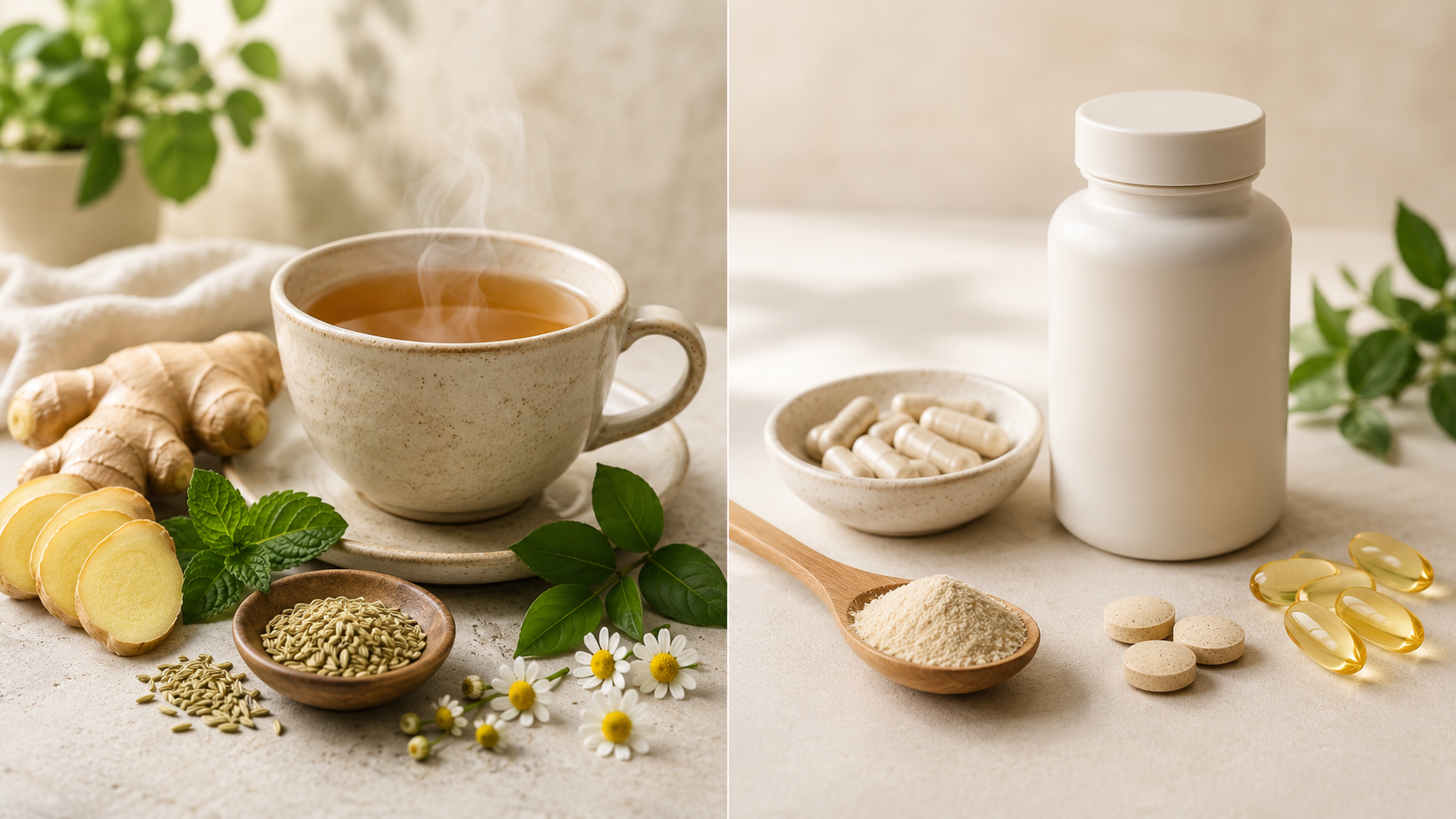
Tea and digestive supplements are not enemies.
They do not need to stand on opposite sides of the wellness aisle wearing tiny boxing gloves.
They simply do different jobs.
Tea for Gut Health is best thought of as a daily support habit. It is warm, hydrating, calming, and easy to build into real life. You can drink ginger tea after a heavy meal, fennel tea when you feel bloated, or chamomile tea at night when your stomach seems to be carrying the emotional weight of your entire day.
Tea is gentle.
It asks very little from you.
Boil water. Steep. Sip. Notice.
Digestive supplements, on the other hand, are usually more targeted. Think probiotics, digestive enzymes, fiber powders, or capsules made for specific concerns. Some people find them helpful, especially when they are dealing with ongoing digestive issues or working with a healthcare professional.
But for a beginner?
Tea is often the simpler place to start.
Why? Because it helps you build awareness. When you drink one tea consistently after meals, you start noticing patterns. Maybe peppermint feels good after lunch but not at night. Maybe ginger helps after rich meals. Maybe chamomile makes your evening digestion feel calmer because your whole body finally slows down.
That information is useful.
It turns your gut health routine from guesswork into listening.
Supplements can be helpful, but they can also feel confusing fast. Which probiotic strain? How much fiber? With food or without food? Morning or night? Why does this bottle have 400 words and a leaf on it?
Tea keeps the doorway smaller.
And sometimes, smaller is kinder.
That does not mean tea replaces medical care or that supplements are unnecessary. If you have ongoing symptoms, strong pain, major changes in digestion, or health conditions, it is smart to talk with a healthcare professional.
But if you are simply trying to support everyday digestive comfort, start with the cup.
One tea. One moment. One small habit.
Then let your body tell you what feels helpful.
How Long Does It Take to Feel a Difference?
This is the part where we all wish tea came with a tiny progress bar.
Day 1: less bloating. Day 3: digestion glowing. Day 7: gut health unlocked. Please collect your certificate.
Real bodies, of course, are not that tidy.
Some people feel comfort after one cup of tea, especially when they drink it after a heavy meal. Ginger may feel warming right away. Peppermint or fennel may feel soothing when bloating shows up. Chamomile may help the whole body settle down at night, which can make the stomach feel less tense too.
But deeper gut comfort usually takes consistency.
Tea is not like flipping a switch. It is more like adjusting the lighting in a room. One cup may help the moment feel softer. A steady routine may help you notice patterns over time.
Give yourself a simple one-week experiment.
Choose one tea based on your main concern:
Bloating: fennel or peppermint
Heavy stomach: ginger
Stress stomach: chamomile
Daily wellness support: green tea
After-meal tea ritual: pu-erh
Drink it at the same time each day for seven days. After lunch. After dinner. Before bed. Pick one moment that makes sense for your life.
Then notice three things:
Do you feel less bloated?
Does your stomach feel lighter after meals?
Do you actually enjoy drinking this tea?
That last question matters more than people admit.
A tea you hate is not a habit. It is a punishment with steam.
If you feel better after a few days, lovely. Keep going. If you do not notice much, try a different tea or a different time of day. Your body may prefer ginger after lunch instead of at night. Or fennel after dinner instead of peppermint.
Tea for Gut Health is personal.
The best cup is not always the most famous cup. It is the one that fits your body, your taste, and your real daily rhythm.
And remember: if digestive discomfort is strong, ongoing, painful, or unusual for you, do not wait around hoping chamomile will become a doctor. Get checked.
Tea can support comfort.
But your body deserves real care when it is asking for more.
Who Should Be Careful with Gut Health Teas?
Tea feels gentle.
That is part of its charm.
A warm mug does not look dramatic. It does not arrive with warning lights or a soundtrack. It just sits there looking cozy, like it has never caused a problem in its life.
But “natural” does not always mean “right for everyone.”
Some teas can interact with medications. Some herbs may not be ideal during pregnancy or breastfeeding. Some ingredients can bother reflux, sensitive stomachs, or certain health conditions.
So before you turn Tea for Gut Health into your daily sidekick, here are a few situations where extra care makes sense.
If You Are Pregnant or Breastfeeding
Some herbal teas are commonly enjoyed during pregnancy, but not all herbs are automatically pregnancy-friendly.
If you are pregnant, trying to become pregnant, or breastfeeding, check with your healthcare provider before drinking herbal teas regularly—especially strong blends or teas with multiple herbs.
A simple chamomile or ginger tea may seem harmless, but your body is doing important work. It deserves more than a “probably fine” guess from a tea box.
If You Take Medication
Herbs can be powerful.
That is why we like them.
That is also why we respect them.
If you take prescription medication, blood thinners, diabetes medication, blood pressure medication, sedatives, or supplements, ask a healthcare professional before adding strong herbal teas every day.
This does not mean you need to panic over one occasional cup.
It means consistency matters. Daily herbal habits can add up, especially when your body is already managing medication.
If You Have Acid Reflux
Peppermint tea is a popular choice for bloating and gas, but it may not be ideal for everyone with acid reflux.
For some people, peppermint can relax the lower esophageal sphincter, which may allow stomach acid to move upward more easily. Translation: your belly may feel calmer, but your chest may start filing complaints.
If peppermint triggers reflux for you, try fennel, chamomile, or ginger instead.
Your tea should not start a second problem while trying to help the first one.
If You Are Sensitive to Caffeine
Green tea, black tea, oolong tea, white tea, and pu-erh all come from the tea plant, Camellia sinensis. That means they usually contain caffeine.
If caffeine makes you jittery, anxious, sleepless, or gives your stomach a sharp feeling, choose caffeine-free herbal teas instead.
Good beginner options include:
Fennel tea
Ginger tea
Chamomile tea
Peppermint tea
Lemon balm tea
Caffeine is not bad.
But it does have a personality.
And some bodies simply do not want that personality after 2 p.m.
If Your Symptoms Feel Serious or Unusual
Tea is lovely for everyday digestive comfort.
But some symptoms need more than a mug.
Talk with a healthcare professional if you have severe pain, persistent bloating, vomiting, blood in your stool, unexplained weight loss, ongoing diarrhea, ongoing constipation, fever, or digestive symptoms that keep returning.
That is not overreacting.
That is listening.
Tea belongs in your comfort toolkit. It can support a calmer routine, a gentler after-meal pause, and a more mindful relationship with your body.
But it should never be used to ignore symptoms that are asking for real attention.
The goal is not to be afraid of tea.
The goal is to choose it wisely.
Beginner FAQ About Tea for Gut Health
Gut health can feel confusing because everyone seems to have an opinion.
Your friend says ginger. A wellness video says green tea. A tea box says “digestive harmony,” which sounds lovely but also slightly like a spa brochure got loose in the grocery aisle.
So let’s answer the beginner questions plainly.
What Is the Best Tea for Gut Health Beginners?
The best beginner teas for gut health are usually ginger, peppermint, fennel, and chamomile.
They are easy to find, simple to brew, and naturally caffeine-free, except when blended with true tea leaves. Each one has its own personality:
Ginger tea is best when your stomach feels heavy or unsettled.
Peppermint tea is a popular choice for bloating and gas.
Fennel tea is gentle, slightly sweet, and lovely after meals.
Chamomile tea is best when stress and digestion seem tangled together.
Start with the tea that matches your main concern. That is the easiest way to make Tea for Gut Health feel personal instead of overwhelming.
Is Green Tea Good for Gut Health?
Green tea can be part of a gut-friendly routine, especially if you enjoy a light morning or afternoon tea.
It contains natural plant compounds and has a clean, refreshing taste when brewed properly. The catch? Green tea has caffeine, and some people find that caffeine bothers their stomach or sleep.
So try it earlier in the day.
And please, for the love of gentle tea, do not over-steep it. Two to three minutes is usually enough. Any longer and green tea may start tasting like a lawn had a bad attitude.
What Tea Is Best for Bloating?
For bloating, many beginners start with peppermint tea or fennel tea.
Peppermint feels cool and refreshing. Fennel feels softer and slightly sweet. Both are commonly enjoyed after meals when the belly feels tight, full, or gassy.
If you have acid reflux, though, be careful with peppermint. It may bother some people. In that case, fennel or chamomile may be a gentler choice.
Your body is the real reviewer here.
Five stars from the internet mean very little if your stomach disagrees.
Can I Drink Gut Health Tea Every Day?
Many people can drink gentle herbal teas daily, but it depends on the tea, your body, your health history, and whether you take medications.
A daily cup of chamomile, ginger, fennel, or peppermint may fit beautifully into your routine. But strong herbal blends, detox teas, laxative teas, and highly caffeinated teas deserve more caution.
Daily does not automatically mean better.
Sometimes one thoughtful cup after lunch does more for your routine than five random cups scattered through the day like tiny acts of digestive panic.
Start small. Notice how you feel. Adjust from there.
When Should I Drink Tea for Digestion?
After meals is the easiest place to start.
Try peppermint, fennel, ginger, or pu-erh after lunch or dinner. If your stomach feels tense at night, chamomile can be a softer evening choice.
For morning support, green tea or ginger tea can work well. Just keep caffeinated teas earlier in the day if they affect your sleep.
A simple rhythm looks like this:
Morning: green tea or ginger
After lunch: fennel or peppermint
Evening: chamomile
You do not need all three. Choose the cup that solves the most annoying part of your day.
That is where the habit begins.
Does Tea Replace Probiotics or Digestive Supplements?
No. Tea does not replace probiotics, digestive enzymes, fiber supplements, or medical advice.
Tea is more of a supportive ritual. It can help with hydration, warmth, calm, and everyday digestive comfort. Supplements are usually more targeted and may be helpful for specific needs.
Think of tea as the gentle doorway.
Not the entire house.
What Is the Best Tea for Gut Health at Night?
Chamomile is one of the best beginner-friendly choices for nighttime gut comfort because it is caffeine-free, calming, and gentle.
Fennel tea is another lovely evening option, especially if bloating tends to show up after dinner. Ginger can work too, but some people find it a little too warming close to bedtime.
At night, keep the goal simple: calm the body, support digestion, and avoid caffeine sneaking in like a tiny sleep thief.
Can Tea Make Digestion Worse?
Sometimes, yes.
Not because tea is bad, but because every body is different.
Peppermint may bother reflux. Green tea may feel harsh on an empty stomach. Strong ginger may feel too spicy for sensitive bellies. Highly caffeinated teas may increase jitters or stomach discomfort in some people.
That is why the best Tea for Gut Health routine starts with one tea at a time.
Sip. Notice. Keep what helps. Skip what does not.
Your gut is not being difficult.
It is giving notes.
Final Sip: Start with One Cup, Not a Whole Wellness Overhaul
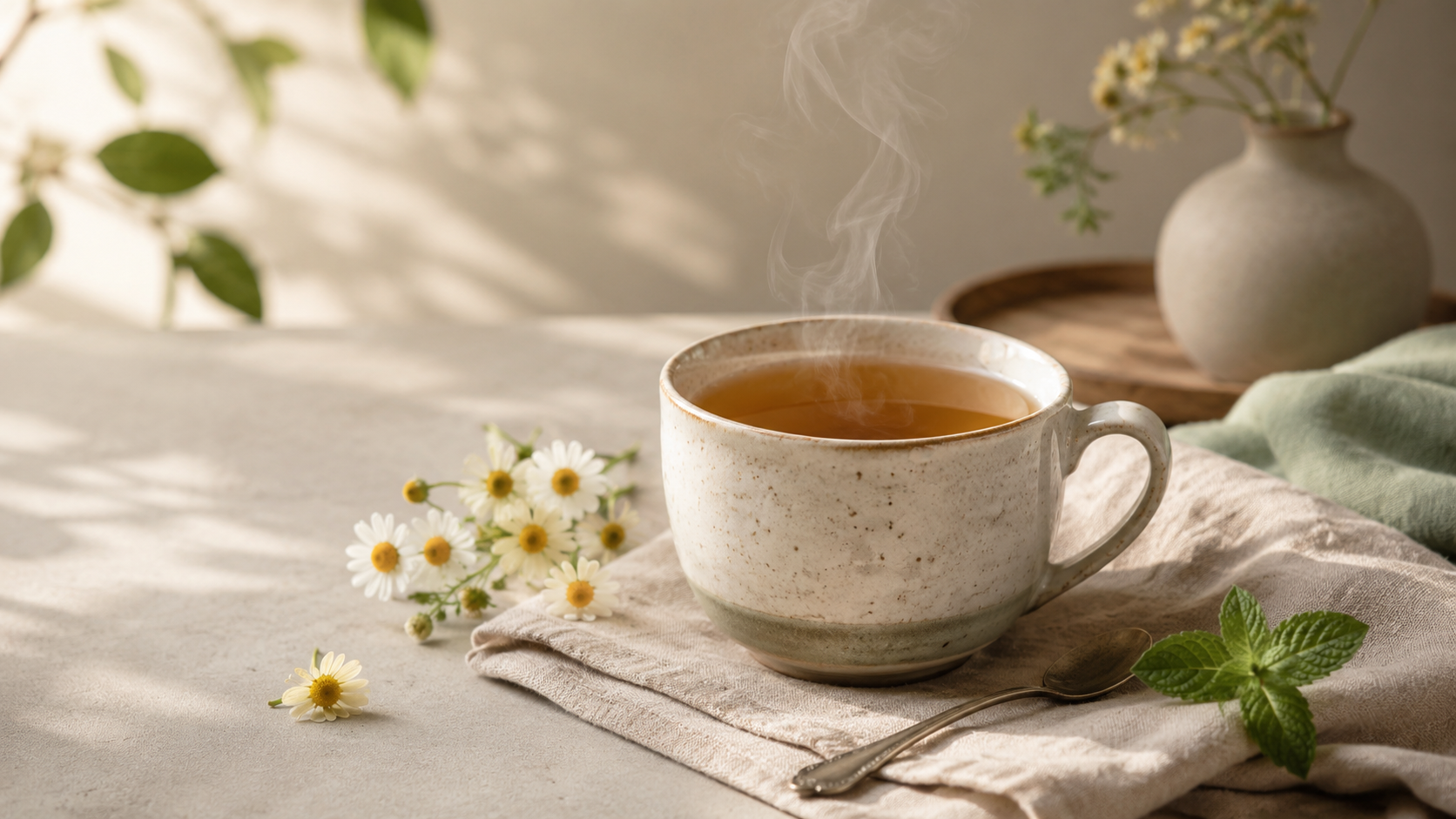
Gut health can feel like a giant project.
Eat this. Avoid that. Take this. Track that. Ferment something. Buy the powder. Understand the microbiome before breakfast.
No wonder so many people give up before they begin.
But Tea for Gut Health gives you a softer starting point.
One cup.
That’s it.
Not a perfect routine. Not a pantry makeover. Not a promise that your digestion will suddenly behave like a polite guest at a dinner party.
Just one warm, thoughtful cup that helps you pay attention to your body.
If bloating is your biggest issue, start with fennel or peppermint after meals. If your stomach feels heavy, try ginger. If stress seems to settle in your belly, make chamomile your evening ritual. If you want a light daily wellness sip, brew green tea in the morning or early afternoon.
Keep it simple enough that you can repeat it.
Because the best tea routine is not the fanciest one.
It is the one that fits into your actual life—the life with rushed lunches, busy mornings, late dishes, and the occasional “why did I eat that?” moment.
Tea will not do everything.
But it can do something lovely.
It can invite you to slow down. It can make digestion feel less like a mystery and more like a conversation. It can turn an ordinary after-meal moment into a small act of care.
And small acts count.
Especially the ones we repeat.
So start with one tea. Sip it for a week. Notice how your body responds. Keep what helps. Let go of what does not.
Your gut does not need perfection.
It needs attention, patience, and maybe a cozy mug that says, we’re figuring this out together.
For more gentle tea guides, explore our Tea Shots Club posts on Tea for Digestion, Fennel Tea for Digestion, and Top 5 Teas Compared: Finding the Absolute Best Tea for Gut Health.
Advertisement