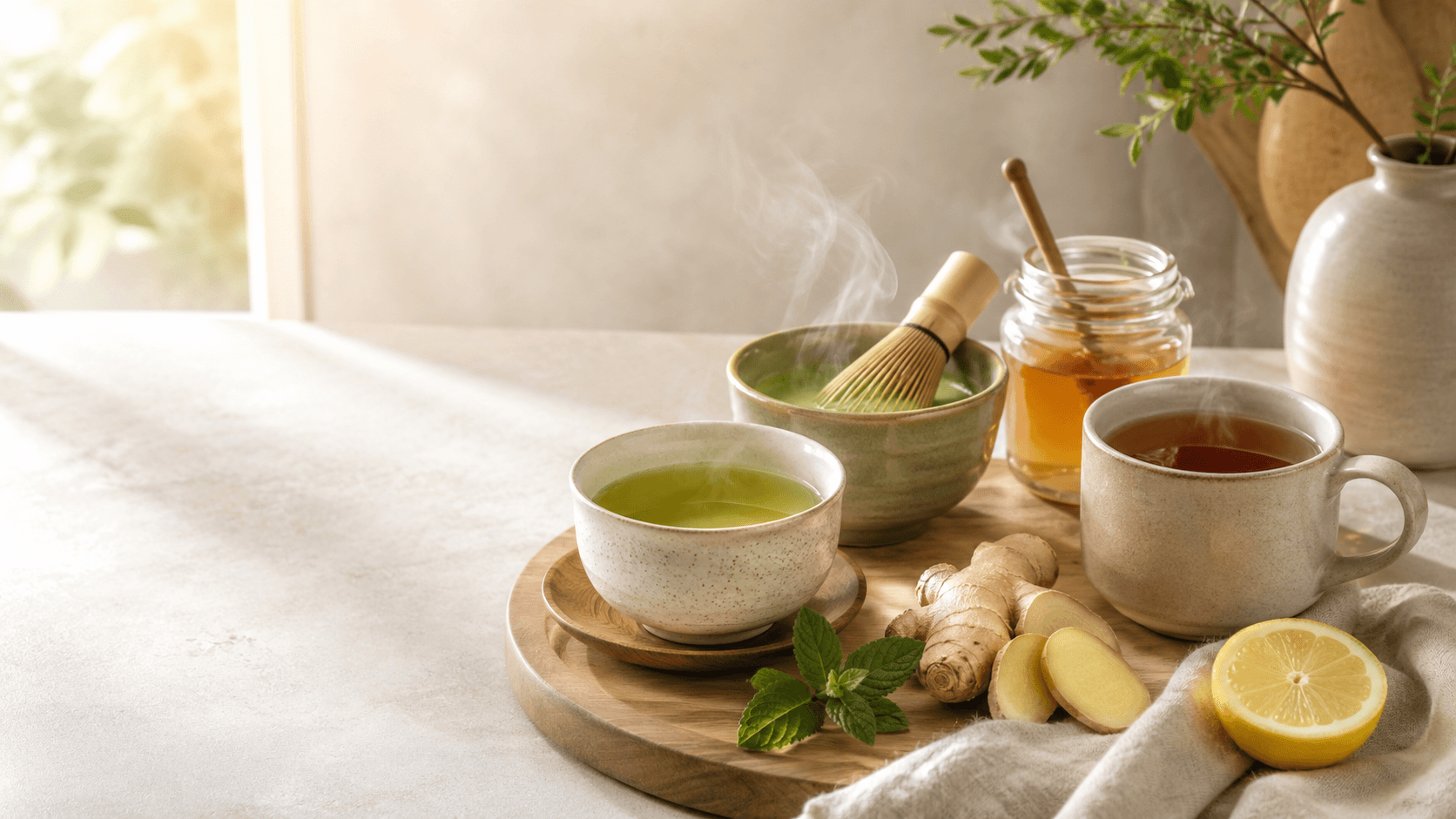

Tea for Digestion: How Tea Can Soothe and Support Your Digestive Health.
Learn which teas offer the best support for your gut health.
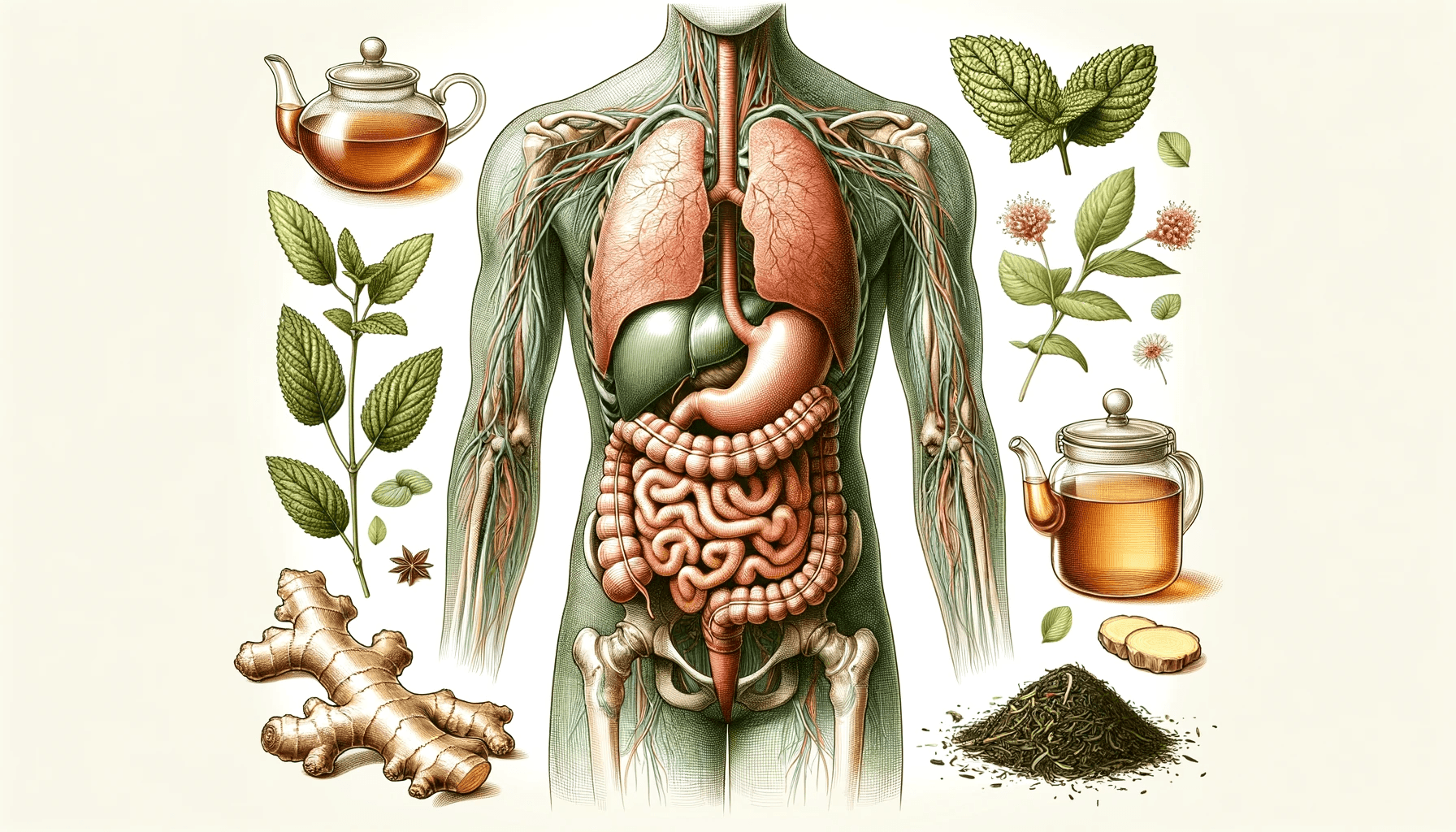
Some meals leave you satisfied.
Others leave your stomach acting like it has a full committee meeting scheduled inside your body.
A little bloating. A heavy feeling. That uncomfortable “why did I eat so fast?” moment. We have all been there. And when your digestion feels off, sometimes the first thing you want is not a complicated wellness routine. You just want something warm, simple, and gentle.
That is where tea for digestion comes in.
Tea will not magically fix every digestive issue. It is not a tiny doctor in a mug. But the right cup of tea can be a soothing part of your after-meal routine, especially when you want to slow down, hydrate, and support your body with herbs traditionally used for digestive comfort.
Think ginger for warmth. Peppermint for freshness. Fennel for that soft, naturally sweet herbal comfort. Chamomile for a calmer evening when your stomach and your nervous system both need to sit down and behave.
In this guide, we will look at how tea may support digestive health, which teas are most commonly used after meals, when to drink them, and what to avoid if your stomach is sensitive.
Because sometimes better digestion starts with a small pause.
And a very good cup of tea.
What Does “Tea for Digestion” Really Mean?
When people search for tea for digestion, they are usually not looking for a complicated science lecture.
They are looking for relief.
Maybe dinner felt too heavy. Maybe lunch was rushed. Maybe your stomach feels puffy, tight, gassy, or just a little dramatic. Digestive discomfort has a way of turning even the coziest evening into a negotiation with your own body.
So what does “tea for digestion” actually mean?
In simple terms, it usually refers to teas people drink to support digestive comfort. These may include herbal teas like ginger, peppermint, fennel, and chamomile, or true teas like green tea and black tea.
But here is the important distinction: not all “teas” come from the same plant.
True teas come from the Camellia sinensis plant. This includes green tea, black tea, white tea, oolong tea, and pu-erh tea. These teas naturally contain caffeine, although the amount varies.
Herbal teas, also called herbal infusions, are made from herbs, flowers, roots, seeds, spices, or fruits. Ginger tea, peppermint tea, fennel tea, and chamomile tea fall into this category. Many herbal teas are naturally caffeine-free, which makes them especially helpful for evening sipping.
For digestion, herbal teas are often the first choice because they feel gentle, warm, and easy to enjoy after meals. They are not meant to replace medical care or treat serious digestive conditions. But they can become part of a soothing routine that helps you slow down and pay attention to your body.
That matters more than we think.
A cup of tea asks you to pause. To sit. To sip instead of rush. And sometimes, that small shift is exactly what your digestion has been quietly asking for all along.
How Tea May Support Digestive Comfort
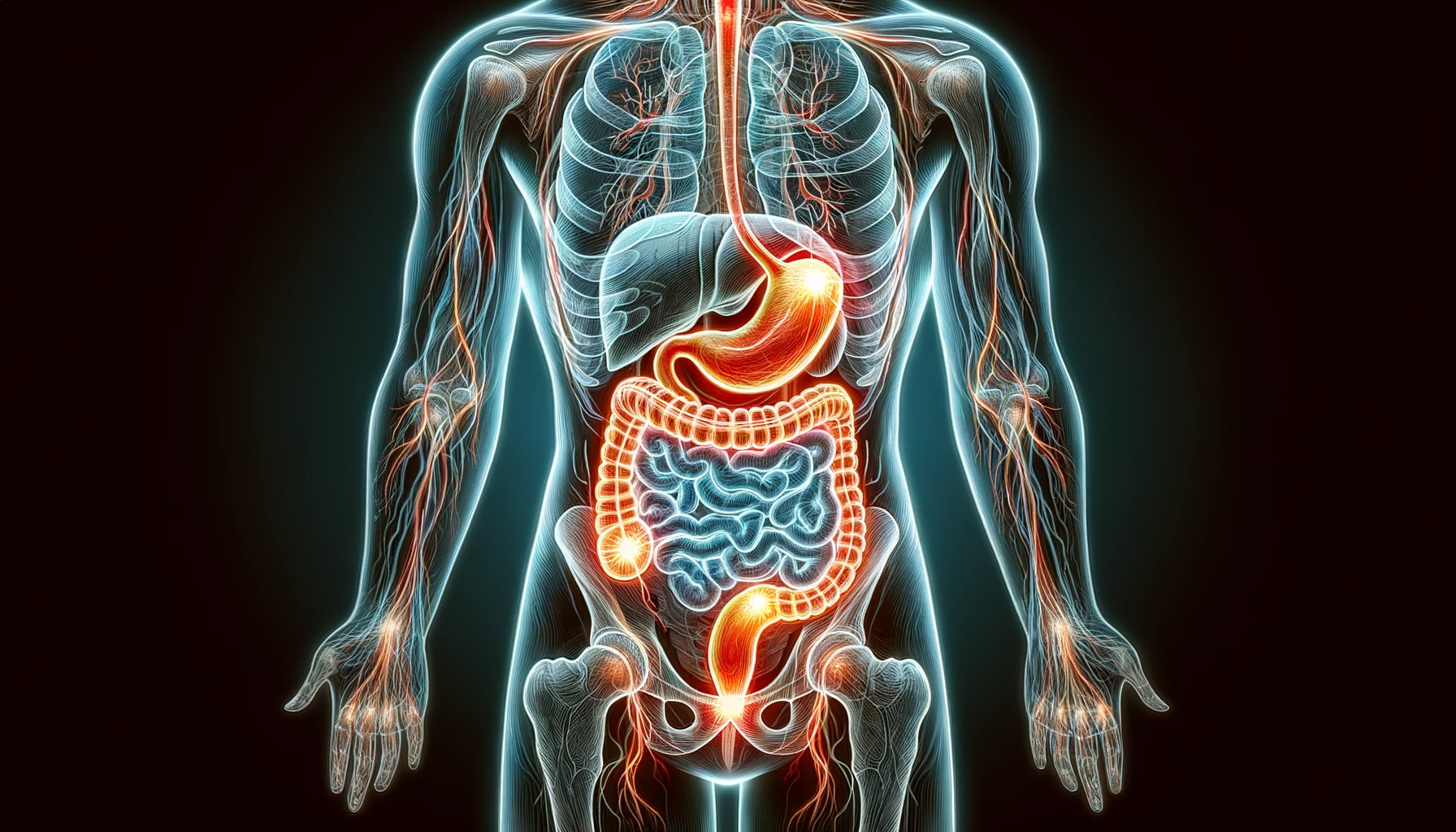
Tea has a quiet way of making the body feel less rushed.
That may sound simple, but digestion loves simple.
When you drink a warm cup of tea after a meal, you are not just drinking herbs in hot water. You are creating a small pause. Your body gets hydration. Your mind gets a moment to slow down. Your stomach gets something gentle instead of another heavy bite, another sugary dessert, or another scroll through your phone while your body is still trying to process dinner.
Warm fluids can feel especially comforting when your stomach feels tight or heavy. They may help you relax, which matters because digestion does not happen in a vacuum. Stress, rushed meals, and eating too quickly can all make your stomach feel more uncomfortable.
Then there are the herbs themselves.
Some teas are traditionally used because of how they feel in the body. Ginger tea brings warmth and a little spice, which can be helpful when your stomach feels unsettled. Peppermint tea feels cool and refreshing, especially after a heavy meal. Fennel tea has a soft, naturally sweet flavor that many people enjoy when they feel bloated or gassy. Chamomile tea is gentle and floral, often used in the evening when discomfort makes it harder to relax.
The real beauty of tea for digestion is that it gives you a low-effort ritual.
No complicated recipe.
No wellness performance.
No need to reorganize your entire life because lunch was a little too enthusiastic.
Just water, tea, a mug, and a few quiet minutes.
Of course, tea is not a cure-all. If you have frequent pain, strong reflux, persistent bloating, vomiting, blood in your stool, unexplained weight loss, or symptoms that keep coming back, it is time to speak with a healthcare professional.
But for those ordinary moments when your stomach feels heavy, puffy, or unsettled, tea can be a gentle way to support comfort.
A small cup.
A slower rhythm.
A kinder way to end the meal.
Best Types of Tea for Digestion
The best tea for digestion depends on what your body is asking for.
Sometimes your stomach wants warmth. Sometimes it wants freshness. Sometimes it wants something gentle and caffeine-free so the rest of you can calm down too.
Here are some of the most loved teas for digestive comfort.
Ginger Tea
Ginger tea is the cozy sweater of digestive teas.
It is warm, spicy, and a little bold — in the best way. If your stomach feels heavy after a rich meal, ginger tea can be a comforting choice. It has that “wake things up gently” feeling without being harsh.
Ginger has long been used for nausea and stomach discomfort, which is why many people reach for it when their digestion feels unsettled. It is especially nice after meals that feel oily, heavy, or just a bit too much.
Try it with lemon for brightness. Add a small spoon of honey if you like a softer flavor. But keep it simple. Ginger already has plenty of personality.
Best time to drink: after lunch or dinner, especially when your stomach feels heavy or slightly unsettled.
Peppermint Tea
Peppermint tea feels like opening a window in a stuffy room.
It is fresh, cooling, and clean. Many people enjoy peppermint tea after meals when they feel bloated, gassy, or overly full. The menthol gives it that crisp feeling that makes your whole body say, “Ah, better.”
Peppermint can be a lovely after-dinner tea, but there is one important note: it may not be the best choice if you struggle with acid reflux or heartburn. For some people, peppermint can relax the wrong little doorway in the digestive system and make reflux worse.
Rude? Yes. Useful to know? Also yes.
Best time to drink: after meals, especially when you want something refreshing — unless peppermint triggers reflux for you.
Fennel Tea
Fennel tea is gentle, naturally sweet, and quietly helpful.
It does not shout for attention. It just sits beside you like a calm friend who brought a blanket.
Made from fennel seeds, this herbal tea has a soft licorice-like flavor. It is often used after meals for bloating, gas, and that uncomfortable stretched feeling that makes jeans feel personally offensive.
Because fennel tea is naturally caffeine-free, it can be a good option in the evening. It feels light enough after dinner but still comforting enough to make the end of the day feel intentional.
Best time to drink: after dinner or before bed, especially when you want a caffeine-free digestive tea.
Chamomile Tea
Chamomile tea is what you drink when your stomach and your mood both need a softer landing.
It is floral, mild, and calming. Many people think of chamomile as a bedtime tea, but it can also be a lovely choice when digestive discomfort makes it hard to fully relax.
Chamomile is often used for gentle digestive support, especially when discomfort comes with tension, stress, or an unsettled evening. It is not flashy. It will not kick the door open and announce itself. It is more like a quiet exhale in a cup.
That is exactly the point.
Best time to drink: in the evening, after dinner, or before bed.
Green Tea
Green tea is a lighter option for daytime digestion support.
Unlike ginger, peppermint, fennel, or chamomile, green tea is a true tea. That means it comes from the Camellia sinensis plant and naturally contains caffeine.
For some people, green tea feels clean and refreshing after meals. It can be a nice choice after lunch, especially if you want something lighter than coffee but still want a small energy lift.
But because of the caffeine, green tea may not be ideal at night. It may also bother very sensitive stomachs if it is brewed too strong or taken on an empty stomach.
Green tea is helpful when treated kindly.
Use water that is hot, not boiling. Steep it gently. Do not punish those delicate leaves like they owe you money.
Best time to drink: after breakfast or lunch, not too late in the day.
When Is the Best Time to Drink Tea for Digestion?
Timing matters.
Not in a fussy, “you must drink this at exactly 7:43 p.m.” kind of way. Tea should feel like support, not another rule you have to follow.
But the right tea at the right time can make your digestive ritual feel much more intentional.
After Meals
After lunch or dinner is one of the most common times to enjoy tea for digestion.
This is when your body is already doing the work of breaking down food. A warm cup of ginger, peppermint, or fennel tea can help you slow down instead of jumping straight into the next thing.
Because let’s be honest: many of us eat like we are racing a clock that nobody else can see.
After a meal, try sitting for a few minutes with your tea. No rushing. No chugging. Just slow sips. Let your body catch up.
Good options after meals:
Ginger tea
Peppermint tea
Fennel tea
Chamomile tea
In the Morning
Morning can be a good time for ginger tea or green tea.
Ginger tea feels warming and energizing without caffeine. Green tea gives you a gentle lift, but it does contain caffeine, so it may not be ideal if your stomach feels sensitive first thing in the morning.
If green tea bothers your stomach, try drinking it after breakfast instead of on an empty stomach. Also, brew it gently. Over-steeped green tea can taste bitter and feel a little too intense.
Your morning tea should not feel like a punishment.
It should feel like a soft beginning.
In the Evening
Evening is the best time to choose caffeine-free teas.
This is where fennel and chamomile shine. They are gentle, soothing, and easy to include in a nighttime routine. If you tend to feel bloated or uncomfortable after dinner, a warm caffeine-free tea can help create a calmer transition into the rest of the night.
Peppermint can also be nice in the evening, but remember: if you have acid reflux or heartburn, peppermint may not be your best friend.
A beautiful friend, yes.
A reliable reflux friend? Not always.
Before Bed
Before bed, keep it simple.
Choose chamomile, fennel, or a gentle herbal blend without caffeine. Avoid strong black tea, green tea, or energy-style wellness blends unless you enjoy staring at the ceiling while your brain opens 47 tabs.
A bedtime digestive tea should feel quiet. Soft. Cozy. Like your body is receiving a tiny message that says, “We are done for today.”
Listen to Your Body
The best timing is the one your body responds to well.
Some people love tea right after dinner. Others prefer waiting 30 minutes. Some feel great with ginger. Others prefer fennel. Your body will usually give you clues.
Pay attention to them.
Tea for digestion works best when it becomes a mindful ritual, not a strict formula.
Sip slowly. Notice how you feel. Adjust as needed.
That is the whole practice.
Simple Digestive Tea Ritual After Meals
A digestive tea ritual does not need to be fancy.
You do not need a special teapot, a linen robe, or a kitchen that looks like it belongs in a slow-living magazine.
Although, honestly, we would not complain.
All you really need is a tea you enjoy, a few quiet minutes, and the willingness to stop treating your body like it is a machine that should instantly process everything you throw at it.
Here is a simple after-meal ritual you can try.
1. Choose the Right Tea for the Moment
Start with how you feel.
If your stomach feels heavy, try ginger tea.
If you feel bloated or gassy, try fennel tea or peppermint tea.
If it is evening and you want something calming, try chamomile tea or a fennel-chamomile blend.
If you want a light daytime option after lunch, try green tea — just remember that it contains caffeine.
The goal is not to choose the “perfect” tea.
The goal is to choose a tea that fits the moment.
2. Brew It Gently
For herbal teas like ginger, fennel, peppermint, and chamomile, hot water and a longer steep usually work well.
A good starting point is:
Ginger tea: 5–10 minutes
Peppermint tea: 5–7 minutes
Fennel tea: 7–10 minutes
Chamomile tea: 5–7 minutes
Green tea: 2–3 minutes with hot, not boiling, water
Green tea is the delicate one here. If you steep it too long or use water that is too hot, it can turn bitter fast.
And bitter green tea is a tiny tragedy in a mug.
3. Keep It Lightly Sweetened — or Unsweetened
If you like a touch of sweetness, add a small spoon of honey.
Small is the key word.
Too much sugar can make your after-meal tea feel more like dessert in disguise. That is fine sometimes, but if your goal is digestive comfort, keep it gentle.
You can also add lemon, fresh mint, or a thin slice of ginger for more flavor without making the tea heavy.
4. Sip Slowly
This may be the most important step.
Do not drink your tea like you are trying to win a contest.
Sip it slowly. Let your body settle. Let your meal land. Let your nervous system get the message that the eating part is done and the resting part can begin.
This is where tea becomes more than a drink.
It becomes a pause.
5. Notice How Your Body Responds
Your body is always giving feedback. Sometimes it whispers. Sometimes it sends a strongly worded letter.
Pay attention.
Does ginger feel good after dinner?
Does peppermint make your reflux worse?
Does fennel feel better at night?
Does green tea feel too strong on an empty stomach?
There is no single best tea for digestion for everyone. Your best tea is the one your body agrees with.
Start simple. Try one tea at a time. Notice what helps you feel more comfortable.
That is how you build a ritual that actually belongs to you.
Tea for Digestion vs. Digestive Medicine: What Tea Can and Can’t Do
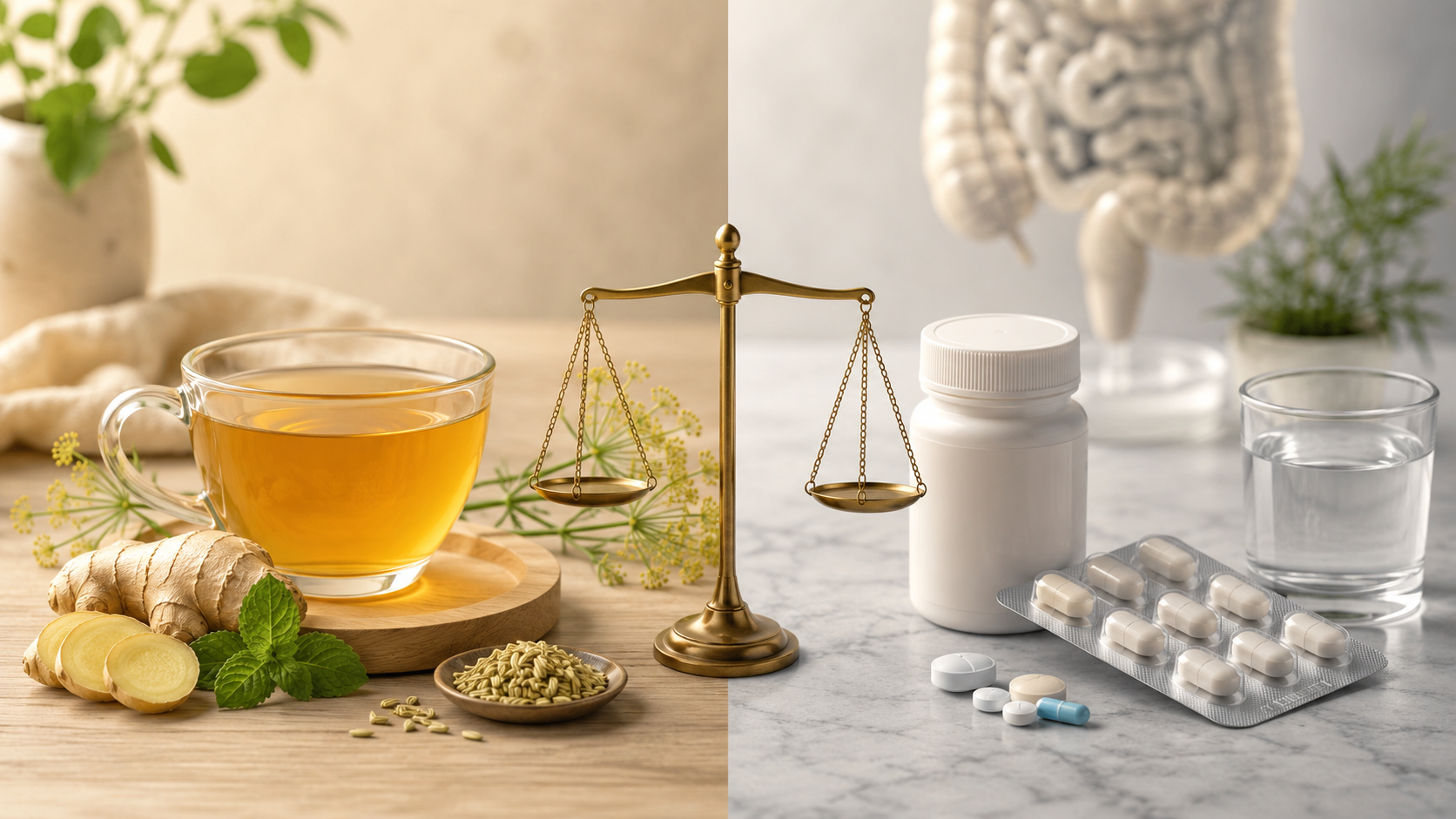
Tea is lovely.
Tea is comforting.
Tea is not a magic wand wearing a tiny white lab coat.
That is important to say because tea for digestion can absolutely be part of a gentle wellness routine. But it should not be treated like a replacement for medical care, especially if your symptoms are strong, frequent, or unusual.
A warm cup of ginger, fennel, peppermint, or chamomile tea may help you feel more comfortable after a meal. It can support hydration. It can help you slow down. It can turn an uncomfortable moment into a calmer one.
That is valuable.
But tea cannot diagnose what is happening inside your body. It cannot tell you if your bloating is from food sensitivity, reflux, constipation, stress, gallbladder issues, or something else. It cannot replace medication prescribed by your doctor. And it should not be used to ignore symptoms that keep coming back.
Think of digestive tea as a kind helper.
Not the whole medical team.
What Tea Can Do
Tea can be helpful when your discomfort is mild and occasional.
It may support you when:
You feel heavy after a rich meal
You feel mildly bloated or gassy
You want a calming after-dinner ritual
You need a caffeine-free evening drink
You want something warm instead of another snack
You are trying to slow down after eating
In those moments, tea can be a simple way to care for yourself.
No drama. No complicated routine. Just a cup, a breath, and a little more attention to what your body is telling you.
What Tea Can’t Do
Tea cannot fix every digestive problem.
It should not be used as the only response to symptoms like:
Severe or sharp abdominal pain
Frequent vomiting
Blood in your stool
Unexplained weight loss
Persistent diarrhea
Ongoing constipation
Frequent heartburn or reflux
Digestive discomfort that keeps returning
Pain that wakes you up at night
Those are signs that your body may need more than a cozy mug.
And listening to your body sometimes means making the appointment, asking the question, and getting real answers.
A Gentle Note About Herbal Teas
Herbal teas can feel soft and natural, but “natural” does not always mean “safe for everyone.”
Some herbs may interact with medications. Some may not be ideal during pregnancy. Some may bother reflux. Some may be too strong if taken often or in large amounts.
This does not mean you need to be afraid of tea.
It means you should be thoughtful.
If you take medication, have a medical condition, are pregnant, or are dealing with ongoing digestive symptoms, check with a healthcare professional before using herbal teas regularly.
Tea works best when it supports your health — not when it asks you to guess.
The Balanced Approach
The sweet spot is simple: enjoy tea as part of a supportive routine, while still taking your symptoms seriously.
Use ginger when your stomach feels heavy.
Use fennel when you want something gentle and caffeine-free.
Use chamomile when your evening needs a softer landing.
Use peppermint if it works for your body — and skip it if reflux shows up and ruins the party.
Your cup of tea can be a beautiful tool for digestive comfort.
Just let it be what it is: a warm, soothing habit that supports you.
Not a substitute for care when your body is asking for more.
Common Mistakes When Drinking Tea for Digestion
Tea is simple.
But we humans have a talent for making simple things complicated. We over-steep. We over-sweeten. We drink the wrong tea at the wrong time and then blame the poor mug like it personally betrayed us.
If you want tea for digestion to feel supportive, avoid these common mistakes.
Mistake 1: Adding Too Much Sugar or Honey
A little honey can be lovely.
A lot of honey can turn your digestive tea into dessert with a wellness hat on.
If your stomach already feels heavy, too much sweetness may not feel great. It can make the tea richer than you intended and may take away from that light, soothing feeling you were hoping for.
Try this instead: use a small amount of honey, or skip sweetener and add lemon, mint, cinnamon, or fresh ginger for flavor.
Mistake 2: Drinking Caffeinated Tea Too Late
Green tea and black tea can be beautiful choices during the day.
At night? Maybe not.
Because true teas contain caffeine, they may interfere with sleep if you are sensitive. And poor sleep can make everything feel worse the next day — digestion included.
If you want a nighttime digestive tea, choose caffeine-free options like chamomile, fennel, ginger, or peppermint.
Your future sleepy self will thank you.
Mistake 3: Choosing Peppermint Tea When You Have Reflux
Peppermint tea is fresh, cooling, and wonderful for many people.
But if you have acid reflux or heartburn, peppermint may not be your best option. It can relax the lower esophageal sphincter, which may allow stomach acid to move upward more easily.
In plain English: peppermint can sometimes open the wrong door.
If peppermint makes your reflux worse, try ginger, chamomile, or fennel instead.
Mistake 4: Thinking Stronger Tea Means Better Results
More is not always better.
A very strong tea can taste bitter, feel harsh, or irritate a sensitive stomach. This is especially true with green tea, which can become unpleasant when steeped too long or brewed with water that is too hot.
Digestive tea should feel gentle.
Not like a dare.
Follow the steeping instructions, start mild, and adjust slowly. Your stomach does not need a dramatic entrance. It needs support.
Mistake 5: Ignoring Symptoms That Keep Coming Back
This is the big one.
If you are reaching for tea every night because your stomach always hurts, always bloats, or always burns after meals, that is worth paying attention to.
Tea can support mild, occasional discomfort. But frequent digestive symptoms deserve a closer look.
Do not use tea to silence your body.
Use it as part of listening better.
Mistake 6: Buying “Flat Belly” Teas With Big Promises
Be careful with teas that promise a flat belly, instant detox, or overnight weight loss.
Many of those blends are more marketing than magic. Some may contain strong laxative herbs that can cause cramping, dehydration, or dependence if used often.
A good digestive tea should support comfort.
It should not bully your body into a bathroom emergency.
Choose simple, recognizable ingredients instead: ginger, peppermint, fennel, chamomile, green tea, lemon balm, or mint.
The best tea ritual is the one that feels kind, steady, and sustainable.
Not extreme.
Not punishing.
Just supportive.
Easy Tea Blends for Digestive Comfort
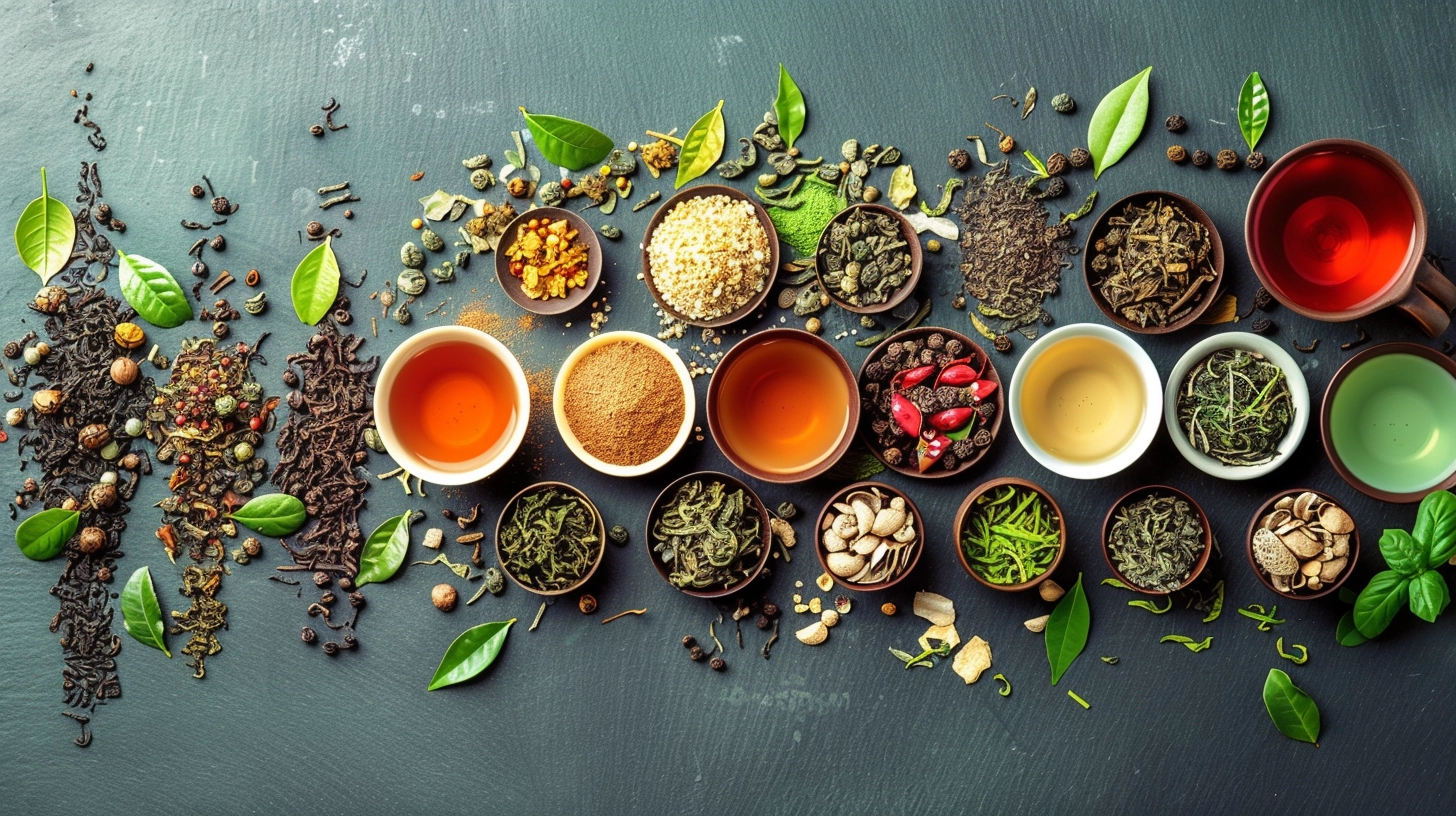
You do not need a cabinet full of rare herbs to make a good digestive tea blend.
You need a few simple ingredients that work well together.
Think of it like building a tiny tea team. One ingredient brings warmth. One brings freshness. One brings softness. Nobody needs to dominate the meeting.
Here are a few easy blends to try when you want tea for digestion to feel a little more special.
Ginger Lemon Tea
This blend is bright, warm, and simple.
Ginger brings the cozy heat. Lemon adds freshness. Together, they make a lovely after-meal tea when your stomach feels heavy or slightly unsettled.
You’ll need:
1 cup hot water
3–5 thin slices fresh ginger
1–2 teaspoons lemon juice
Optional: 1 small teaspoon honey
How to make it:
Add the ginger slices to hot water and steep for 7–10 minutes. Stir in lemon juice. Add a little honey if you want a softer taste.
Best for: heavy meals, mild nausea, or that “I ate too fast” feeling.
Fennel Chamomile Tea
This is the gentle evening blend.
Fennel is naturally sweet and herbal. Chamomile is soft and floral. Together, they make a calming caffeine-free tea that works beautifully after dinner or before bed.
You’ll need:
1 cup hot water
1 teaspoon fennel seeds
1 teaspoon dried chamomile flowers or 1 chamomile tea bag
Optional: a small slice of fresh ginger
How to make it:
Lightly crush the fennel seeds with the back of a spoon. Add fennel and chamomile to hot water. Cover and steep for 7–10 minutes. Strain and sip slowly.
Best for: evening bloating, gas, or digestive discomfort that makes it harder to relax.
Peppermint Ginger Tea
This blend is fresh and warming at the same time.
Peppermint gives you that cooling, clean feeling. Ginger adds warmth and depth. It is a nice option after lunch when you want something soothing but still refreshing.
You’ll need:
1 cup hot water
1 peppermint tea bag or 1 teaspoon dried peppermint
2–3 thin slices fresh ginger
Optional: lemon peel or a squeeze of lemon
How to make it:
Steep peppermint and ginger in hot water for 5–7 minutes. Strain if needed. Add lemon if you like a brighter flavor.
Best for: after-lunch heaviness, bloating, or a fresh digestive reset.
Note: Skip peppermint if it tends to trigger heartburn or reflux for you.
Green Tea with Mint
This is a light daytime option.
Green tea brings a clean, grassy flavor. Mint makes it feel cooler and more refreshing. It is especially nice after lunch when you want something lighter than coffee.
You’ll need:
1 cup hot water
1 green tea bag or 1 teaspoon loose green tea
4–5 fresh mint leaves
Optional: lemon
How to make it:
Use hot water, not boiling water. Steep green tea for 2–3 minutes. Add fresh mint while it steeps. Remove the tea leaves or bag, then add lemon if desired.
Best for: daytime sipping after breakfast or lunch.
Because green tea contains caffeine, avoid this blend late in the day if you are sensitive to caffeine.
Simple Digestive Tea Blend Formula
Once you know what each tea brings, you can create your own gentle blends.
Use this simple formula:
Warm + Fresh + Gentle
For example:
Warm: ginger
Fresh: peppermint or mint
Gentle: fennel or chamomile
You do not need all three every time. But this little formula can help you build a tea that feels balanced instead of chaotic.
Because your tea should not taste like your spice drawer had an argument.
Start with two ingredients. Keep the flavor mild. Notice how your body responds.
That is the best recipe.
FAQ: Tea for Digestion
What is the best tea for digestion?
The best tea for digestion depends on what kind of digestive discomfort you are feeling.
If your stomach feels heavy or unsettled, ginger tea is a beautiful place to start. If you feel bloated or gassy, fennel tea or peppermint tea may feel soothing. If your discomfort shows up at night, chamomile tea can be a gentle choice because it is naturally caffeine-free and calming.
There is no one perfect tea for everyone.
Your best tea is the one that feels good in your body, fits your routine, and does not trigger other symptoms like reflux.
Can I drink digestive tea every day?
Many people enjoy digestive tea daily, especially gentle herbal teas like ginger, fennel, chamomile, or peppermint.
But daily does not mean unlimited.
Keep your tea habit simple and moderate. One to two cups a day is a reasonable routine for many people, depending on the tea and your personal health. If you are pregnant, taking medication, managing a health condition, or using strong herbal blends, check with a healthcare professional first.
Herbs can be gentle.
They can also be powerful.
Both things can be true.
Is peppermint tea good for bloating?
Peppermint tea is a popular choice for bloating because it feels fresh, cooling, and light after meals.
For some people, it may help ease that tight, puffy feeling. But peppermint is not ideal for everyone. If you have acid reflux or frequent heartburn, peppermint may make symptoms worse.
So the best approach is simple: try it carefully and notice how your body responds.
If peppermint feels good, wonderful. If it causes burning or reflux, choose fennel, ginger, or chamomile instead.
Is green tea good after meals?
Green tea can be a nice daytime option after meals, especially after breakfast or lunch.
It tastes light, fresh, and clean. It also contains caffeine, so it may offer a gentle energy lift. But that same caffeine can be a problem if you drink it too late in the day or if your stomach is sensitive.
For best results, brew green tea gently.
Use hot water, not boiling water. Steep for only 2–3 minutes. And avoid drinking it on an empty stomach if it makes you feel uncomfortable.
Green tea should taste fresh.
Not like regret.
What tea is best for digestion at night?
For nighttime digestion support, choose caffeine-free herbal teas.
Good options include:
Chamomile tea
Fennel tea
Ginger tea
Fennel-chamomile blend
Ginger-chamomile blend
Chamomile is especially lovely when you want something calming before bed. Fennel is a good choice when you feel bloated or gassy after dinner. Ginger can be helpful when your stomach feels heavy, though some people prefer it earlier in the evening because of its spicy warmth.
Keep your nighttime tea gentle and lightly sweetened, or unsweetened.
The goal is comfort, not stimulation.
When should I see a doctor for digestive discomfort?
Tea can support mild, occasional digestive discomfort.
But you should talk to a healthcare professional if you have severe pain, frequent vomiting, blood in your stool, unexplained weight loss, persistent diarrhea, ongoing constipation, frequent reflux, or digestive symptoms that keep coming back.
Your body should not have to yell to be heard.
A warm cup of tea can be part of your care routine, but it should not replace medical attention when symptoms are strong, persistent, or unusual.
A Calmer Cup for a Calmer Gut
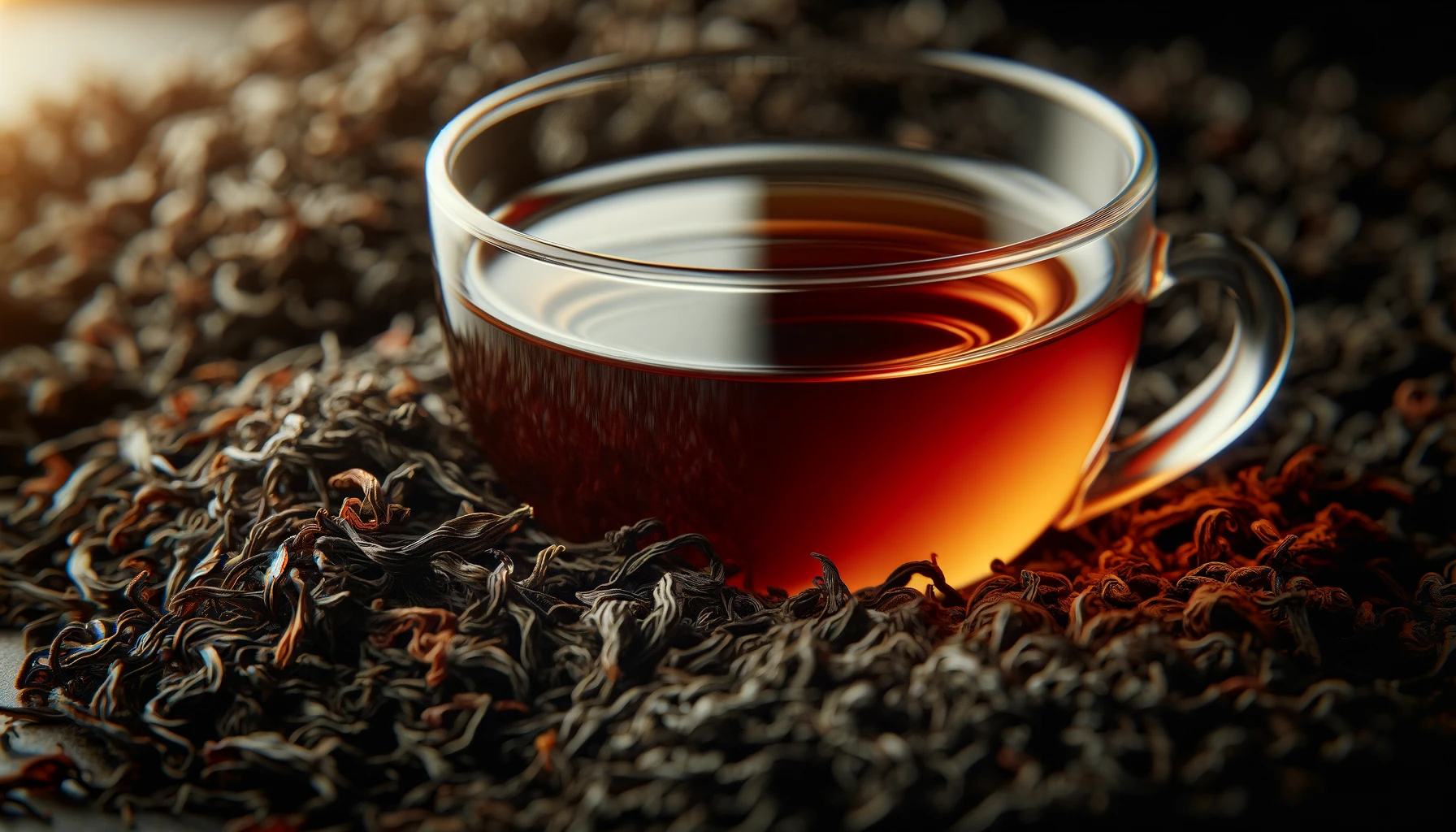
Good digestion is not always about doing more.
Sometimes it is about doing less — more slowly.
Less rushing through meals. Less ignoring your body. Less treating bloating, heaviness, and discomfort like tiny inconveniences you are supposed to push through.
A warm cup of tea for digestion can help you create that pause.
Ginger tea may feel warming and helpful when your stomach feels heavy. Peppermint tea may feel fresh and soothing after meals, as long as it does not trigger reflux for you. Fennel tea can be a gentle caffeine-free option when bloating or gas makes you uncomfortable. Chamomile tea can bring softness to your evening when your stomach and your nervous system both need a little kindness.
And green tea? Green tea can be a lovely daytime choice when brewed gently and enjoyed after food.
The best digestive tea is not the one with the loudest promise on the box.
It is the one your body actually likes.
Start with one tea. Sip it after a meal. Notice how you feel. Then adjust from there. That small habit can become a quiet ritual — one that helps you feel more connected to your body instead of constantly reacting to it.
Because your stomach is not trying to ruin your day.
It is trying to communicate.
Tea simply gives you a softer way to listen.
Want more gentle tea rituals, wellness guides, and simple recipes? Explore more Tea Shots Club guides and start building your own cozy tea routine — one cup at a time.
For more digestive comfort ideas, you may also enjoy our guides on teas for bloating, gut health, and Your Guide to Cleansing and Wellness.
Advertisement
Related Articles
Comments (0)
You must be logged in to leave a comment.
Log In to CommentNo comments yet. Be the first to share your thoughts!