
Sip Away Bloat Fast: Fennel Tea for Digestion Calms Your Gut in Minutes.
Fennel tea for digestion may ease bloating, gas, and after-meal heaviness with one gentle, caffeine-free cup.
You know that moment after a meal when your stomach suddenly feels like it has filed a formal complaint?
Maybe dinner was delicious. Maybe you ate a little too fast. Maybe the beans, broccoli, sparkling water, or extra-cheesy something decided to become the main character.
And now?
You feel heavy. Tight. Puffy. Uncomfortable in your own waistband.
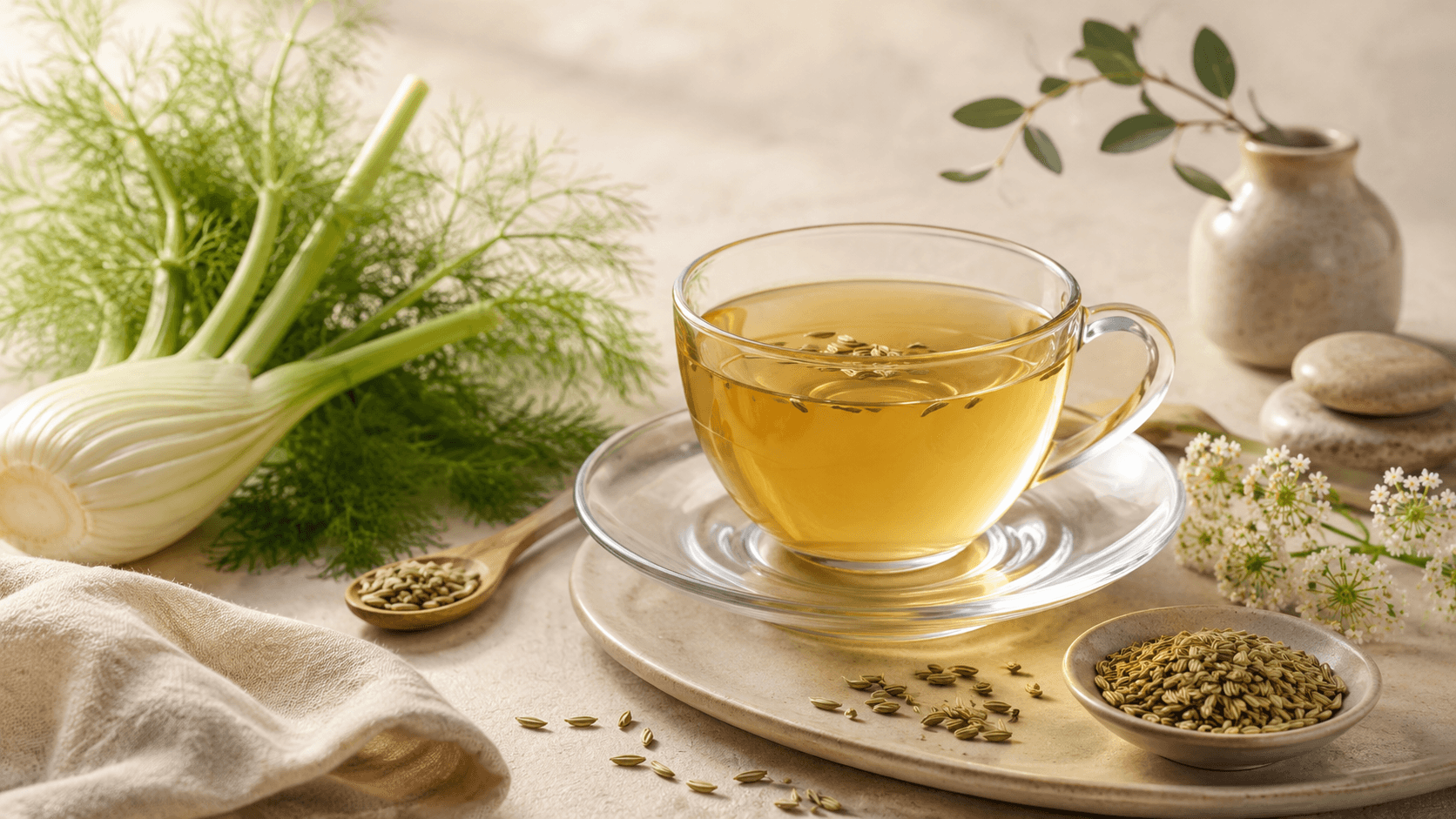
That is where fennel tea for digestion earns its cozy little place in the after-meal ritual department. Made from fennel seeds, this naturally caffeine-free herbal tea has been used for generations to support digestive comfort, especially when bloating and gas make you feel less like yourself and more like a human balloon.
Let’s be clear, though: fennel tea is not a magic button. It will not erase a huge meal in five seconds or replace medical care if something serious is going on.
But as a gentle, warm, soothing sip after eating?
It can be a lovely way to help your body settle, your belly soften, and your evening feel a little less dramatic.
What Is Fennel Tea?
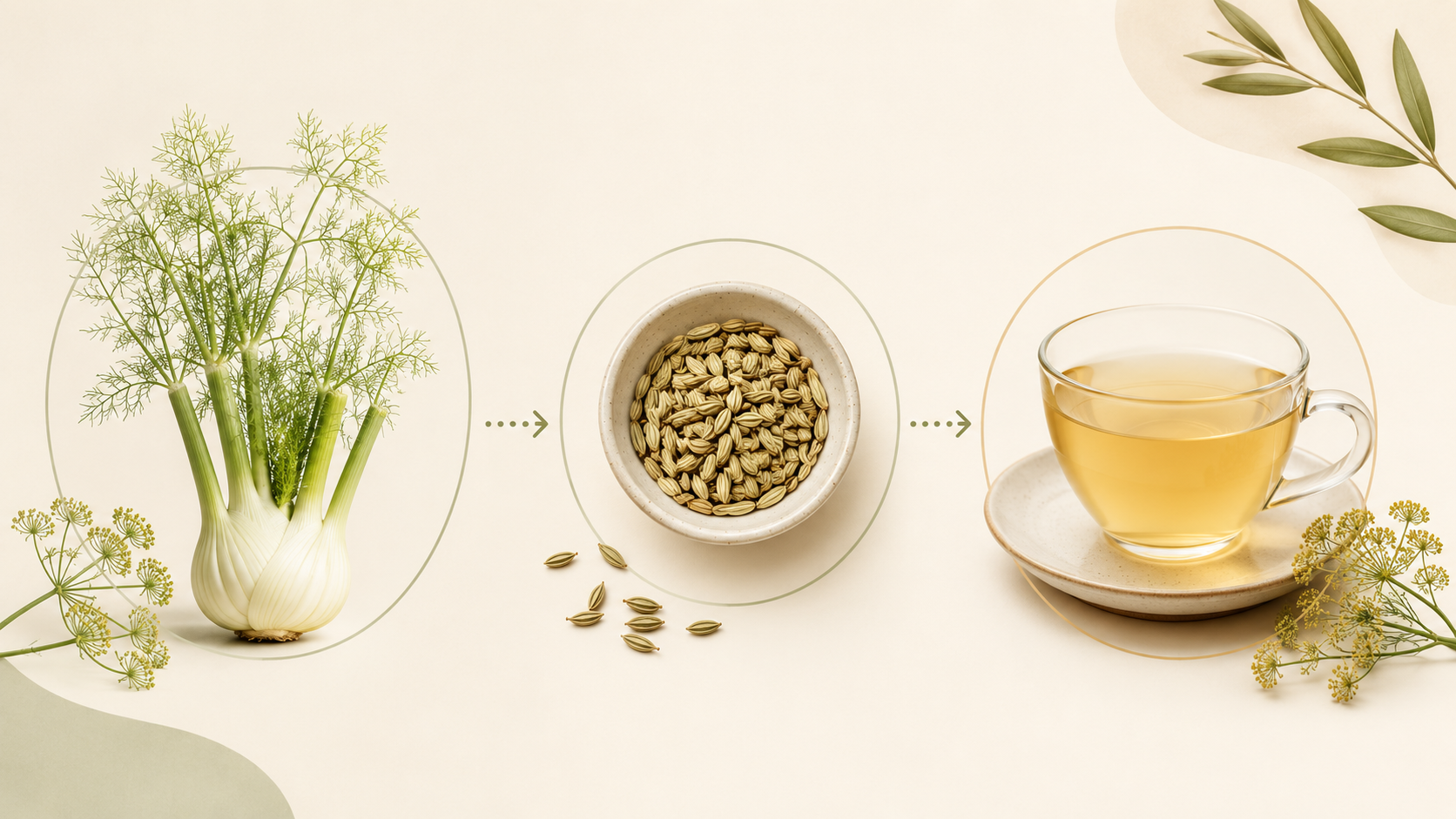
Fennel tea is an herbal infusion made from fennel seeds, the small, pale-green seeds of the fennel plant. If you have ever had fennel sausage, licorice candy, or a restaurant dish with a faintly sweet anise note, you already know the general flavor neighborhood.
Only fennel tea is gentler. Softer. Less “hello, I am licorice” and more “let’s all calm down.”
When steeped in hot water, fennel seeds create a warm, aromatic tea with a lightly sweet, slightly earthy flavor. It is naturally caffeine-free, which makes it a nice choice after lunch, after dinner, or anytime your stomach feels a little moody.
And that is part of its charm.
Fennel tea does not come in waving pom-poms and making big promises. It is quieter than that. It is the tea equivalent of someone handing you a blanket and saying, “Sit down for a minute.”
Traditionally, fennel has been used to support digestion, especially when bloating, gas, or that overly-full feeling shows up uninvited. So while it is simple, it has a long reputation as a comforting after-meal sip.
In other words, fennel tea is not fancy.
But it is useful. And sometimes, that is even better.
Why Fennel Tea Is Loved for Digestion
Fennel tea has a long history as a “please help my stomach behave” kind of tea.
It is often used after meals because fennel seeds are traditionally known as a carminative herb. Fancy word. Simple idea. Carminative herbs are commonly used to support the body when gas feels trapped and your belly starts acting like it has its own weather system.
Warm front: dinner.
Cold front: bloating.
Chance of discomfort: annoyingly high.
Fennel’s natural compounds may help support smoother digestion by encouraging the digestive tract to relax and move things along more comfortably. That matters because bloating is not always about eating “too much.” Sometimes it is about food, air, gas, and slow digestion all standing in the same hallway, refusing to let anyone pass.
Fennel tea may also feel soothing because it is warm. And warmth is underrated. A hot cup of tea can help you pause, sit upright, breathe more slowly, and give your body a softer landing after a meal.
That is the beauty of fennel tea for digestion: it is not complicated. It does not ask you to overhaul your whole life or become a person who meal-preps in glass containers every Sunday.
It simply says: steep the seeds, sip slowly, and let your belly have a calmer moment.
How Fennel Tea May Help With Bloating
Bloating has a special talent for showing up at the worst time.
After a nice dinner. Before a meeting. Right when you decide to wear something fitted. Rude, honestly.
While bloating can happen for many reasons, one common cause is gas building up in the digestive tract. That gas can make your belly feel tight, stretched, or heavy, even if you did not eat a huge meal.
It May Help Relax Digestive Muscles
Your digestive system is not just a passive tube where food politely travels from point A to point B.
It moves. It contracts. It pushes. It coordinates.
When that movement feels slow or tense, digestion can feel uncomfortable. Fennel has traditionally been used to support digestive ease because it may help the muscles of the digestive tract relax. Think of it like turning down the volume on a noisy room. The room is still there, but suddenly everything feels more manageable.
That gentle relaxing effect may be one reason many people reach for fennel tea for digestion when bloating hits.
It May Help With Gas After Meals
Gas after meals is normal. Glamorous? No. Human? Very.
You may feel gassy after eating too quickly, drinking carbonated beverages, chewing gum, or enjoying foods like beans, lentils, onions, broccoli, cabbage, dairy, or very rich meals.
Fennel tea may help because it has a long-standing reputation for supporting the body’s natural ability to move trapped gas along. Not in a dramatic, trumpet-solo way.
More like: “Let’s clear the hallway so everyone can get where they need to go.”
It Gives Your Body a Pause
Sometimes the tea helps because of the herb.
Sometimes it helps because of the ritual.
A warm cup of fennel tea asks you to slow down for a few minutes. You sit upright. You breathe. You sip instead of scrolling through your phone while your stomach handles the dinner shift.
That pause matters.
Digestion is not just chemistry. It is rhythm. And a small tea ritual after meals can help your body move from “go, go, go” into “okay, we can settle now.”
How to Make Fennel Tea for Digestion
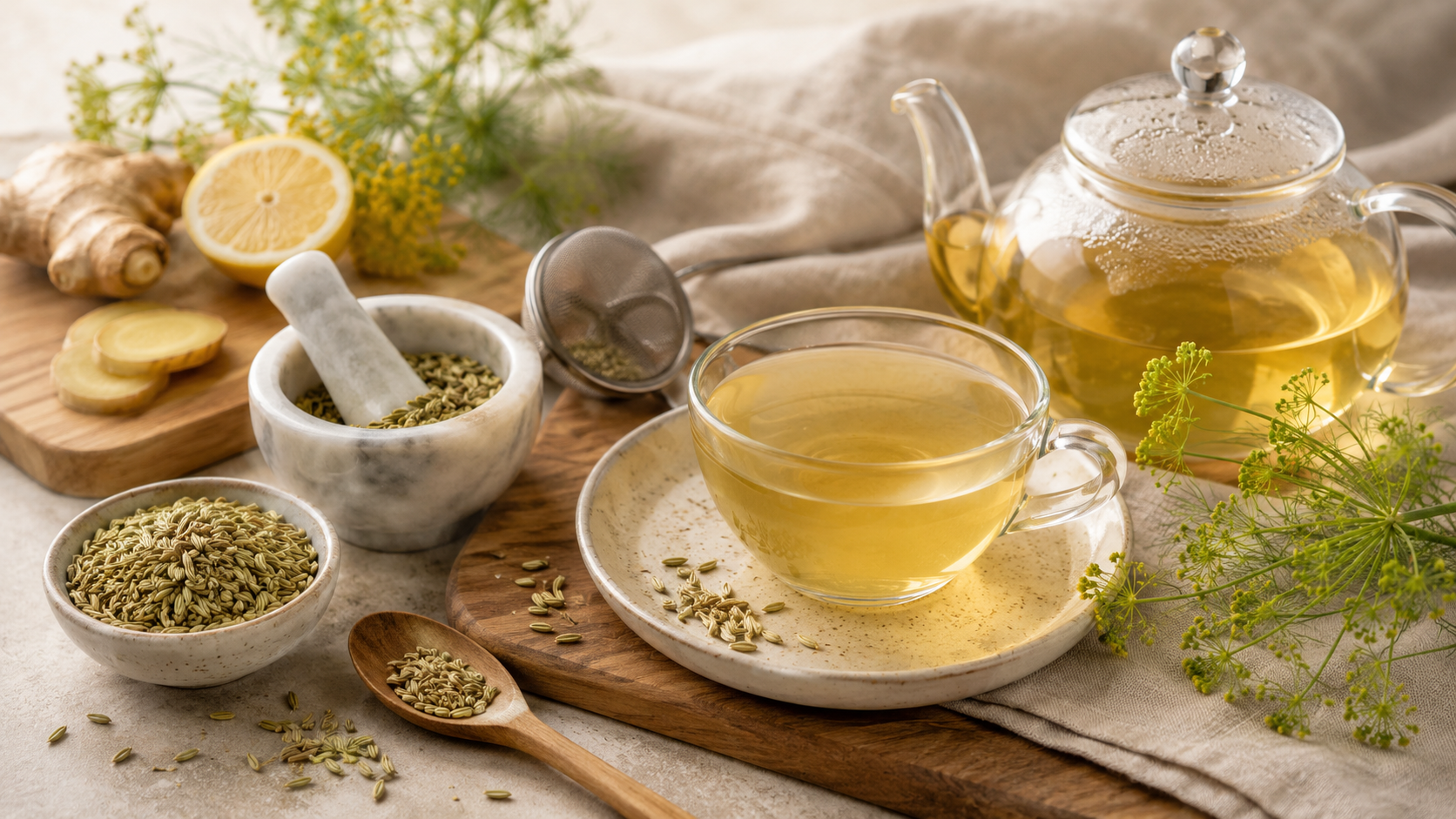
Making fennel tea is beautifully simple.
No special machine. No complicated tea ceremony. No kitchen drama.
Just seeds, hot water, and a few quiet minutes.
Basic Fennel Tea Recipe
You will need:
1 teaspoon fennel seeds
1 cup hot water
Optional: honey, lemon, ginger, or peppermint
To make it:
Lightly crush the fennel seeds with the back of a spoon or a mortar and pestle.
Add the crushed seeds to a mug or tea infuser.
Pour hot water over the seeds.
Cover and steep for 7 to 10 minutes.
Strain and sip warm.
Crushing the seeds first helps release more of their natural oils and aroma. It is a tiny step, but it makes the tea taste fuller and more fragrant.
Like opening the door instead of talking through it.
Better Flavor Tip
Fennel tea has a naturally sweet, slightly licorice-like flavor. Some people love it immediately. Some people need a friendly introduction.
If you want to soften the flavor, try adding:
Fresh ginger for warmth
Lemon for brightness
Peppermint for a cooler digestive blend
Honey for gentle sweetness
For bloating after a heavier meal, I especially like fennel with ginger. Fennel brings the soft, sweet comfort. Ginger brings the little spark.
Together, they taste like your stomach just got a polite pep talk.
Best Time to Drink Fennel Tea for Bloating
If you are wondering when to drink fennel tea for digestion, the short answer is this: after a meal is usually the sweet spot.
That is when bloating, gas, and the “why do I suddenly regret lunch?” feeling tend to show up.
After Meals Is Often Best
A warm cup of fennel tea after eating can be a gentle way to support digestion while your body is doing the behind-the-scenes work. This is especially helpful if you tend to feel heavy after large meals, rich foods, or vegetables that your stomach treats like a personal challenge.
You do not need a giant mug, either.
A small to medium cup is enough. We are going for comfort, not flooding your stomach like it is a houseplant.
In the Evening When You Feel Heavy
Fennel tea can also be a nice option in the evening, especially if dinner tends to sit a little heavily. Because it is naturally caffeine-free, it will not bring the late-night “surprise, now I’m awake” energy that some teas do.
That makes it a calming end-of-day ritual as much as a digestive one.
Before Bed? Maybe — With a Tiny Asterisk
You can drink fennel tea before bed if it feels good for you. But if you deal with acid reflux or dislike going to sleep with liquid in your stomach, earlier is often better.
A good rule of thumb: sip it 30 minutes to an hour after a meal, while you are still upright and awake enough to let your body settle.
In other words, fennel tea works best when it joins your routine at the moment you actually need it.
Not as a miracle fix.
As a timely, cozy nudge in the right direction.
Fennel Tea vs. Other Teas for Digestion
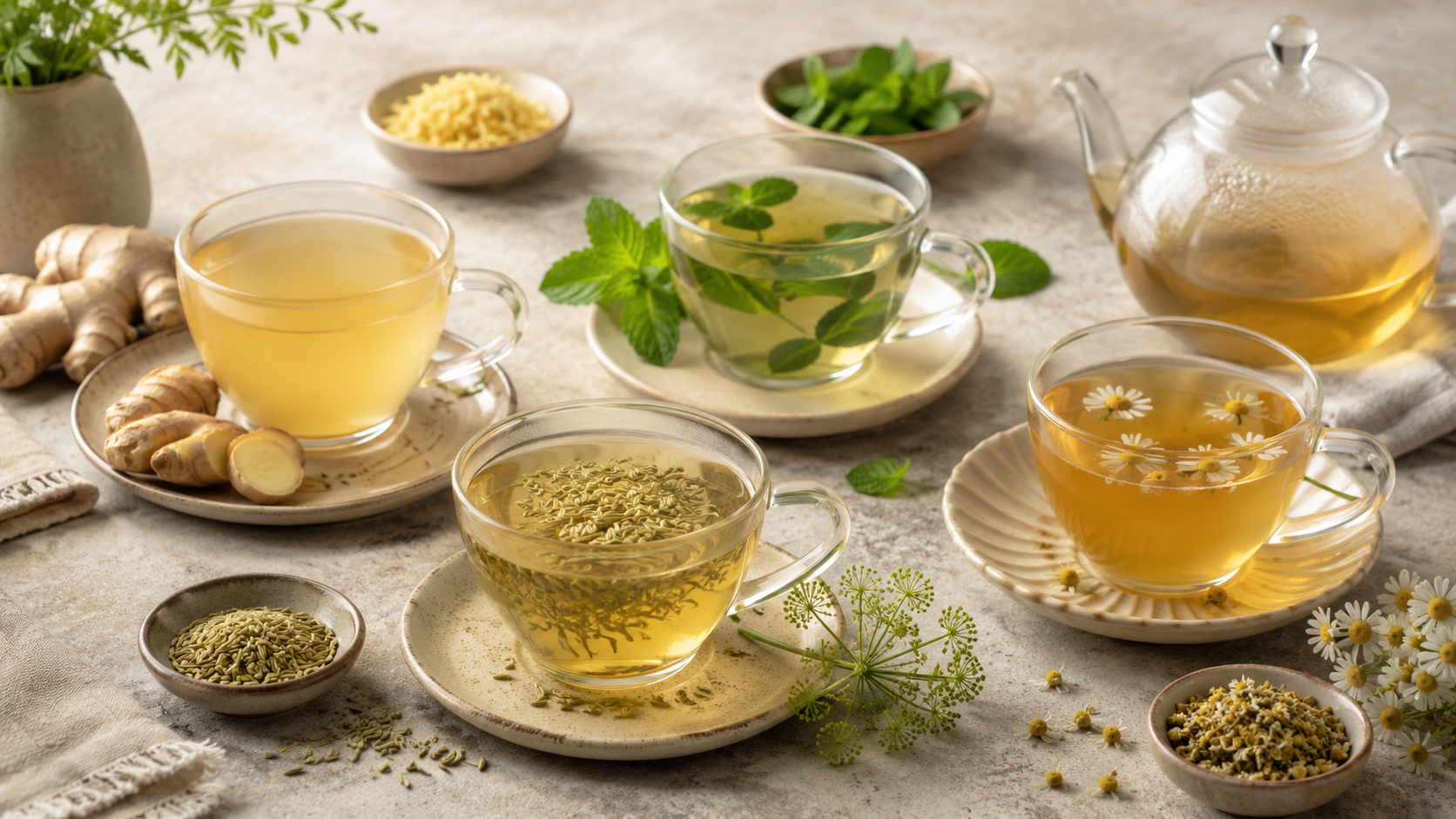
Fennel tea is wonderful for digestion, but it is not the only tea in the “please calm my stomach” cabinet.
Think of digestive teas like a little wellness toolkit. You do not use a tiny screwdriver when you need a measuring tape. Same idea here. Different teas can support different kinds of digestive discomfort.
Fennel Tea
Fennel tea is especially loved for that bloated, gassy, overly-full feeling after meals. It has a naturally sweet flavor and a gentle personality, which makes it a nice choice when your stomach feels tight but you do not want anything too spicy or strong.
Best for: bloating, gas, after-meal heaviness, caffeine-free sipping
Ginger Tea
Ginger tea has more fire. Not aggressive fire. More like a cozy fireplace that reminds your digestion to wake up and get moving.
It is often used for nausea, sluggish digestion, and that chilly, heavy feeling after eating. If fennel is the soft blanket, ginger is the warm socks.
Best for: nausea, sluggish digestion, cold-weather comfort, heavier meals
Peppermint Tea
Peppermint tea feels cool, fresh, and clean. It can be lovely when your stomach feels unsettled or cramped.
But here is the tiny caution flag: peppermint may bother some people with acid reflux. It can relax the lower esophageal sphincter, which may allow stomach acid to travel upward more easily.
Translation: great for some bellies, not-so-great for others.
Best for: digestive tension, occasional cramping, fresh flavor
Chamomile Tea
Chamomile is the gentle friend of the tea world. It is calming, floral, soft, and perfect when your digestion feels tied to stress.
Because yes, your stomach absolutely notices your stress. It is basically subscribed to your emotional newsletter.
Chamomile may be a good choice when your belly feels nervous, tight, or unsettled at night.
Best for: stress-related digestive discomfort, evening sipping, calming rituals
So Which One Should You Choose?
Choose fennel tea for digestion when bloating and gas are the main problem.
Choose ginger when your stomach feels slow or queasy.
Choose peppermint when you want a cooling, refreshing digestive tea and reflux is not an issue.
Choose chamomile when stress is making your stomach act like it just read a dramatic email.
And if you love learning about digestive teas, you can also explore our guides on Tea for Digestion: How Tea Can Soothe and Support Your Digestive Health, Soothing Sips: The Best Tea for Bloating and Gas Relief, and Soothing Relief: Discovering the Best Tea for Stomach Pain and Bloating.
When Fennel Tea Might Not Be Right for You
Fennel tea is gentle for many people.
But “natural” does not always mean “perfect for everyone.” Poison ivy is natural too, and nobody is inviting it to tea.
So before you make fennel tea your new after-meal best friend, a few notes are worth keeping in mind.
Be Careful If You Are Pregnant or Breastfeeding
If you are pregnant, trying to become pregnant, or breastfeeding, it is best to ask your healthcare provider before drinking fennel tea regularly.
A small culinary amount of fennel in food is one thing. Using fennel as an herbal remedy is another. Your doctor or midwife can help you decide what is safe for your situation.
Watch for Allergies
Fennel belongs to the same plant family as celery, carrot, parsley, dill, and anise. If you are allergic to any of these, fennel tea may not be a good match.
Possible allergy symptoms can include itching, swelling, rash, trouble breathing, or digestive upset. If that happens, stop using it and seek medical help if symptoms are serious.
Ask First If You Take Medications
If you take regular medications, especially for hormone-related conditions, blood clotting, or chronic health issues, check with a healthcare professional before drinking fennel tea often.
One cup here and there may feel harmless, but herbs can still interact with the body in meaningful ways.
Tiny seeds. Big personality.
Do Not Ignore Ongoing Digestive Symptoms
Fennel tea may support mild bloating or after-meal discomfort, but it should not be used to cover up symptoms that need real attention.
Please talk with a healthcare provider if you have:
Severe or sharp abdominal pain
Bloating that keeps coming back
Vomiting
Fever
Blood in your stool
Unexplained weight loss
Sudden changes in bowel habits
Pain that wakes you up at night
Your body is not being dramatic when it sends repeated signals. It is asking you to listen.
Tea can be comfort.
But sometimes, the most caring thing you can do is get checked.
A Gentle 3-Step After-Meal Fennel Tea Ritual
A good digestive ritual does not need to be complicated.
In fact, if your stomach already feels like it is managing a tiny internal protest, the last thing you need is a 14-step wellness routine involving rare ingredients and emotional support crystals.
Keep it simple.
Step 1: Brew a Small Cup
Start with one teaspoon of lightly crushed fennel seeds and one cup of hot water.
Cover the mug while it steeps for 7 to 10 minutes. This keeps the warmth and aroma inside instead of letting all that fennel goodness wander off into the kitchen like it pays rent.
Strain it.
Then let it cool just enough so you can sip comfortably.
Step 2: Sip Slowly for 10 Minutes
Do not chug fennel tea like you are trying to win a hydration contest.
Sip it slowly.
Let the warmth move through you. Notice the sweet, slightly licorice flavor. Give your body a few minutes to shift from “digesting under pressure” to “okay, we can handle this.”
This is part of why fennel tea for digestion can feel so comforting. It gives your stomach support, but it also gives your nervous system a pause.
And your nervous system is very involved in digestion.
Very involved.
Like a manager who keeps joining meetings.
Step 3: Stay Upright and Take a Short Walk
After sipping your tea, stay upright for a little while. If you can, take a gentle 5- to 10-minute walk.
Nothing intense. No power-walking like you are late for a flight.
Just an easy stroll around the house, the block, or even your kitchen.
Movement can help digestion feel less stuck. Warm tea plus gentle walking is a small combination, but it can be surprisingly helpful when bloating makes you feel heavy.
A soft ritual.
A little movement.
A calmer belly.
That is the goal.
FAQ: Fennel Tea for Digestion
Does fennel tea help with bloating fast?
Fennel tea may help some people feel more comfortable after meals, especially when bloating is related to gas or that overly-full feeling.
But “fast” depends on your body, your meal, and what is causing the bloating in the first place. Some people feel lighter after one warm cup. Others may not notice much.
Bodies are not vending machines. You do not insert fennel and receive guaranteed flat-belly results in 10 minutes.
Think of fennel tea as gentle support, not a digestive emergency button.
Can I drink fennel tea every day?
Many people enjoy fennel tea in normal tea amounts, such as one cup after meals when needed.
Still, if you want to drink it daily for a long period, it is smart to check with a healthcare provider, especially if you are pregnant, breastfeeding, managing a medical condition, or taking medication.
A casual cup is one thing.
A daily herbal routine is worth a little extra thought.
Is fennel tea caffeine-free?
Yes. Fennel tea is naturally caffeine-free because it is made from fennel seeds, not from the Camellia sinensis tea plant.
That makes it a cozy option after dinner or in the evening when you want digestive comfort without inviting caffeine to the sleepover.
Can fennel tea help with stomach pain?
Fennel tea may support mild digestive discomfort, especially when your stomach feels tight, gassy, or heavy after eating.
But strong, sharp, recurring, or unusual stomach pain should not be brushed off with tea. If pain keeps coming back or comes with symptoms like vomiting, fever, blood in stool, unexplained weight loss, or sudden changes in digestion, please talk with a healthcare professional.
Tea is lovely.
Ignoring your body is not.
How much fennel tea should I drink for digestion?
Start with one cup after a meal and see how your body responds.
More is not always better. Herbal teas work best when they are part of a thoughtful routine, not when we panic-brew a giant mug and hope our stomach forgets the nachos ever happened.
A small warm cup, sipped slowly, is a good place to begin.
Final Sip
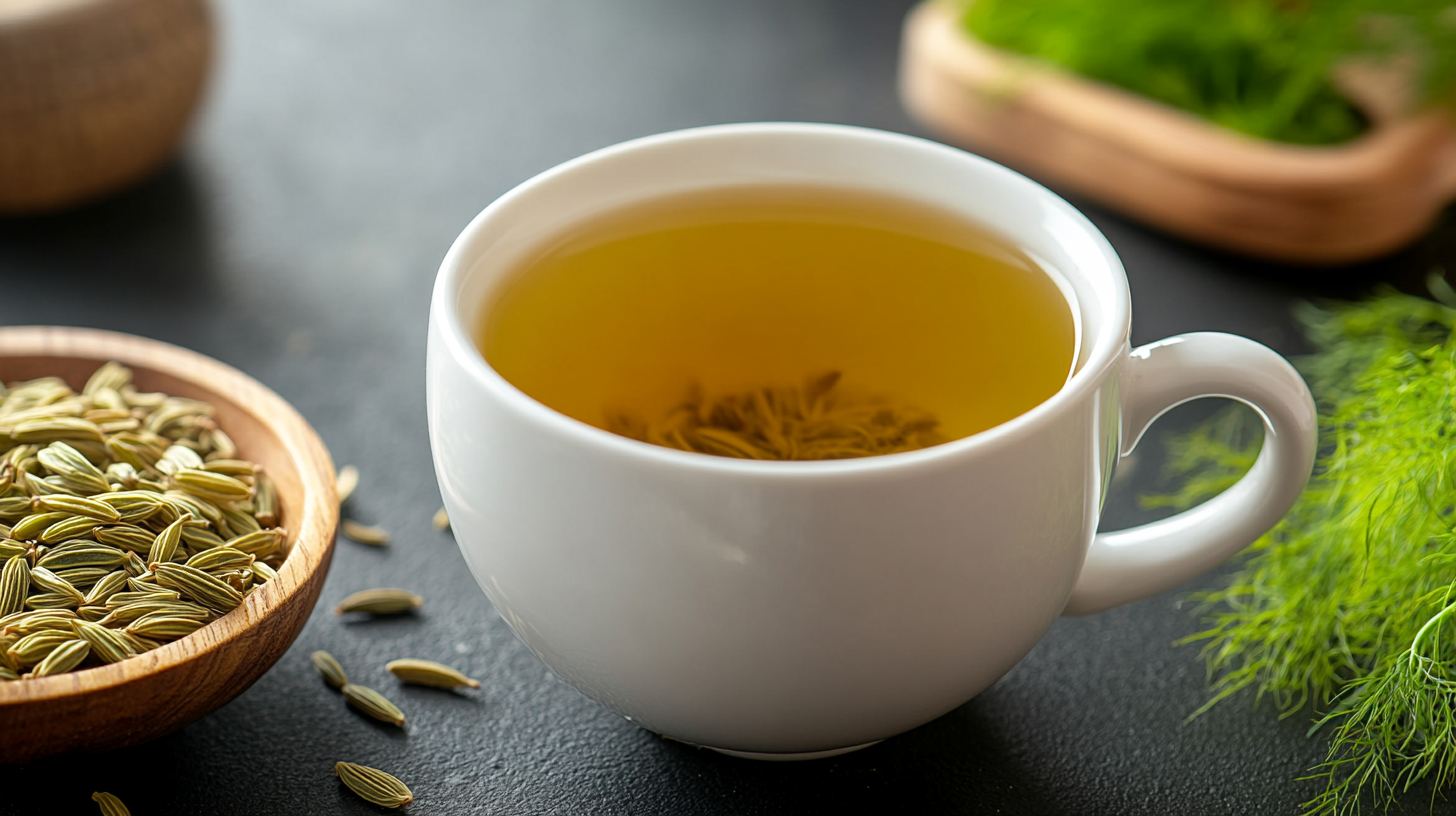
Bloating can make you feel uncomfortable, frustrated, and weirdly betrayed by your own lunch.
But it is also common. Human. Normal.
And sometimes, a small, gentle habit can help you feel more at home in your body again.
That is where fennel tea for digestion fits beautifully. It is warm. It is caffeine-free. It is simple to make. And it has a long tradition of being used after meals when gas, bloating, or heaviness make your stomach feel less than peaceful.
Will it fix every digestive issue?
No.
But can it become a comforting after-meal ritual that helps you slow down, sip something soothing, and support your belly with a little more kindness?
Absolutely.
So the next time your stomach feels tight after dinner, try this: crush a teaspoon of fennel seeds, steep them in hot water, sit upright, and sip slowly.
No drama.
No complicated routine.
Just a warm cup, a calmer moment, and one small way to tell your gut: “I’m listening.”
For more gentle tea rituals, explore our guides on Tea for Digestion, The Best Tea for Bloating and Gas Relief, and The Best Tea for Stomach Pain and Bloating here on Tea Shots Club.
Advertisement
Related Articles
Comments (0)
You must be logged in to leave a comment.
Log In to CommentNo comments yet. Be the first to share your thoughts!