Tea and Sinus Congestion: Comfort, Evidence, and Safety
Warm tea options, evidence limits, and self-care safety during sinus congestion.

The Comforting Embrace of Tea for Sinus Congestion
Sinus congestion can turn ordinary days into a struggle, with the pressure that feels like a tight band around your head and breathing that becomes an effort rather than a reflex. In these moments, the warmth and aroma of a steaming cup of tea aren't just a beverage; they're a sanctuary.
Imagine a scene where you're nestled in a cozy chair by the window, the rhythmic pattern of raindrops complementing your serene environment. In your hands is a cup of tea, emanating a soothing vapor that seems to dance before your eyes, inviting you to take a sip. This isn't just any cup of tea; it can be a comforting pause while you are feeling congested.
A warm cup may feel comforting, but this does not establish that tea treats sinus inflammation or infection. CDC guidance describes symptom care and when medical assessment is needed.
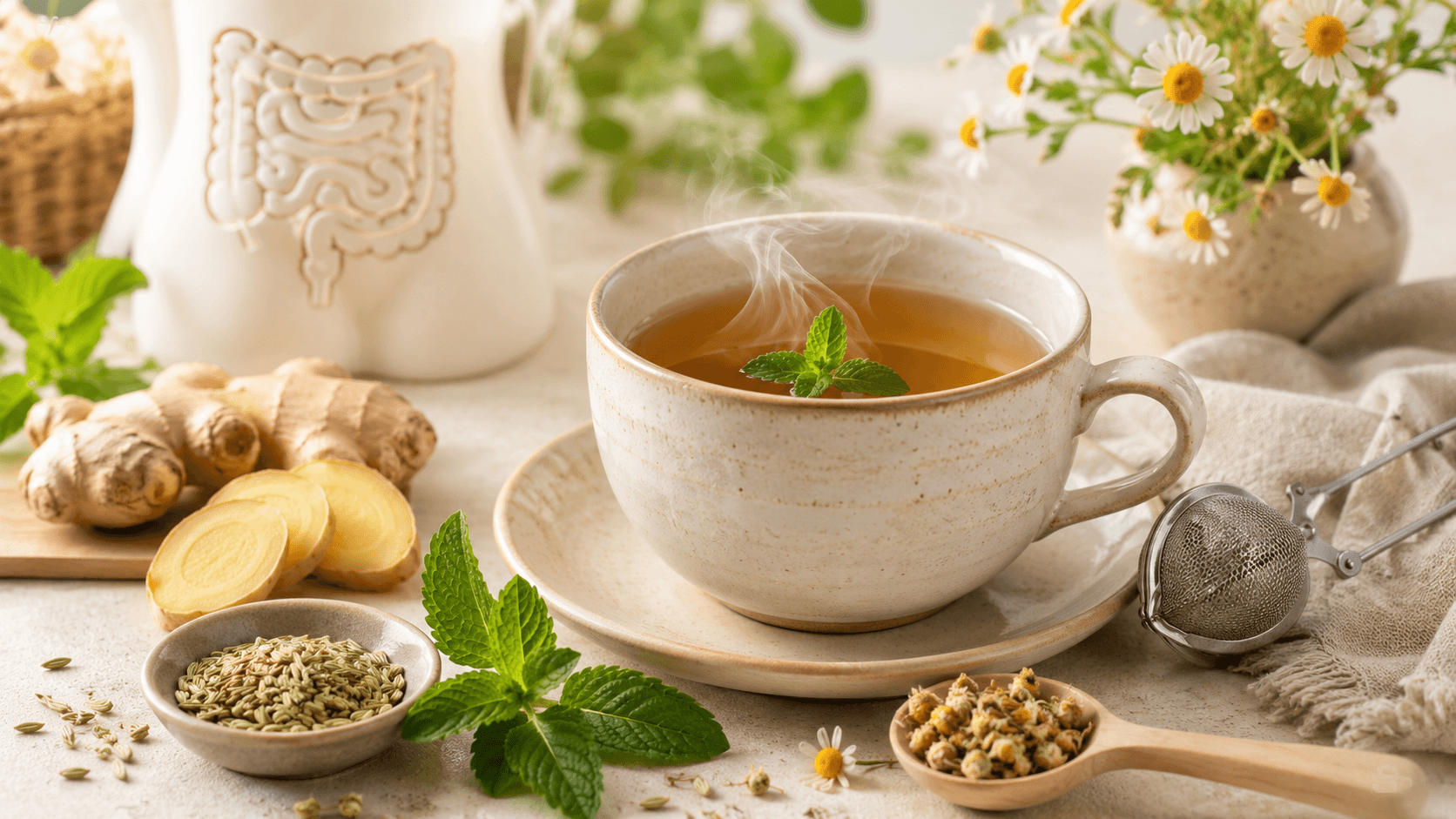
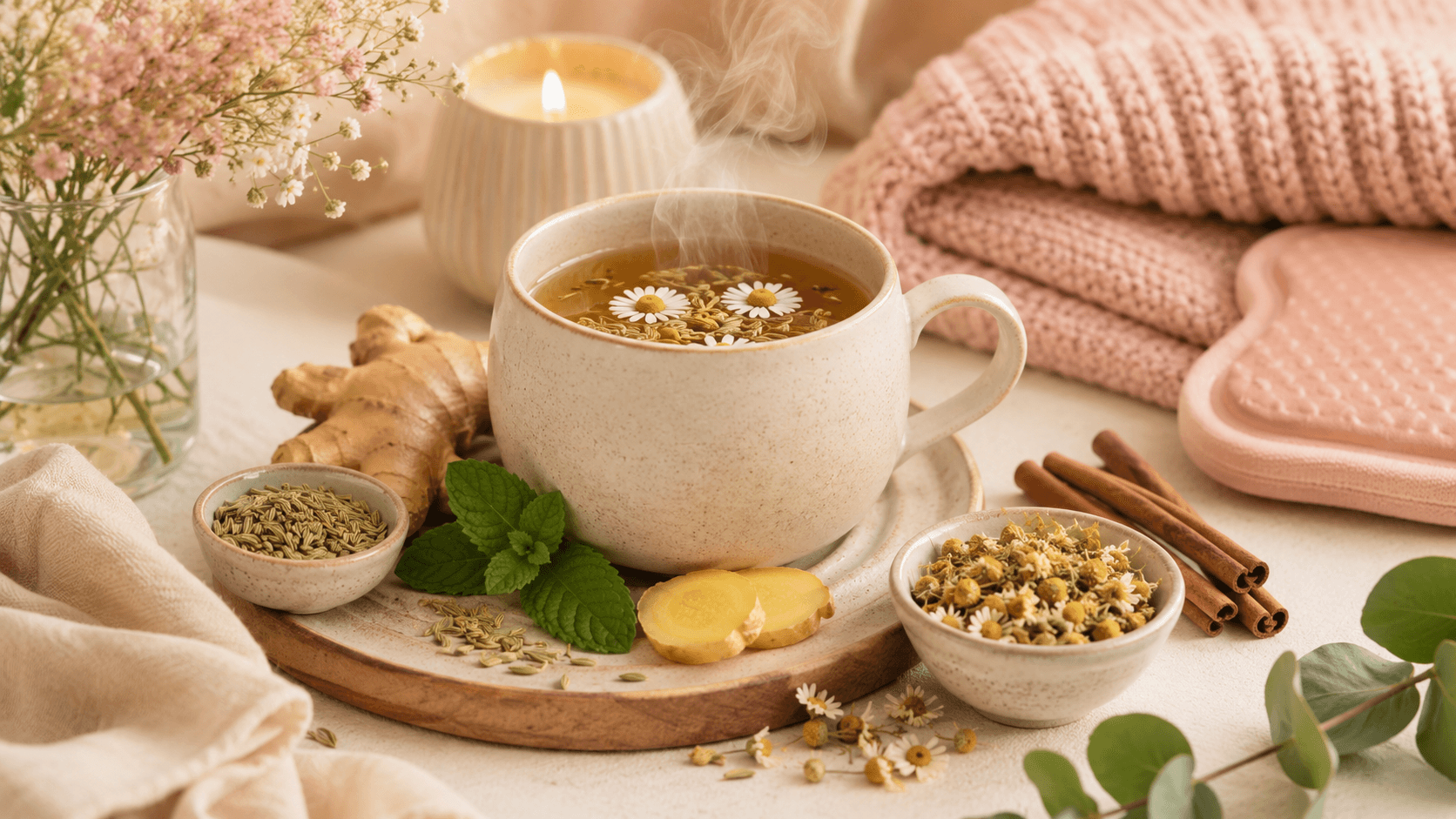
In this blog post, we'll explore peppermint, ginger, chamomile, and green tea as warm-drink options when you feel congested, with brewing tips and a clear distinction between personal comfort and treatment. If you are also choosing a warm drink while you have a cough, see our guide to tea for cough comfort.
As we embark on this journey, remember that the right cup of tea can be more than just a drink; it can be a warm embrace, a breath of relief, and a step toward feeling better. Let's explore how tea can be your soothing companion in sinus distress.
Tea and Comfort During Sinus Congestion

The warmth and aroma of tea may feel pleasant when you are congested. That experience does not show that steam from a cup opens nasal passages or that tea compounds provide lasting sinus relief.
Peppermint Tea
An experimental study of inhaled menthol found a greater sensation of nasal airflow, without a consistent reduction in nasal resistance. This does not establish peppermint tea as a decongestant.
Ginger Tea
Ginger tea has a spicy aroma and warming flavor that some people enjoy when they feel unwell. Research on ginger or gingerol for other purposes does not establish brewed ginger tea as a treatment for sinus inflammation or pain.
Chamomile Tea
Chamomile offers a floral, usually caffeine-free cup for an evening ritual. Its popularity as a soothing drink does not establish that it reduces sinus swelling, clears congestion, or treats sleep problems.
Green Tea
Green tea offers a fresh flavor and contains caffeine. The presence of catechins does not establish that drinking it boosts immunity, fights sinus infections, or reduces sinus pressure.
Choose among these teas for taste, aroma, and personal comfort. None of the evidence discussed here establishes a best tea for treating sinus congestion.
How to Brew a Comforting Cup When Congested

Brewing a cup can be a small moment of tranquility. Use the tea's package directions as your starting point, then adjust for flavor. These preparation steps are for enjoyment rather than a therapeutic dose.
Selecting a Tea You Enjoy: Choose peppermint, ginger, chamomile, or green tea according to your taste, caffeine preference, and any ingredient cautions that apply to you.
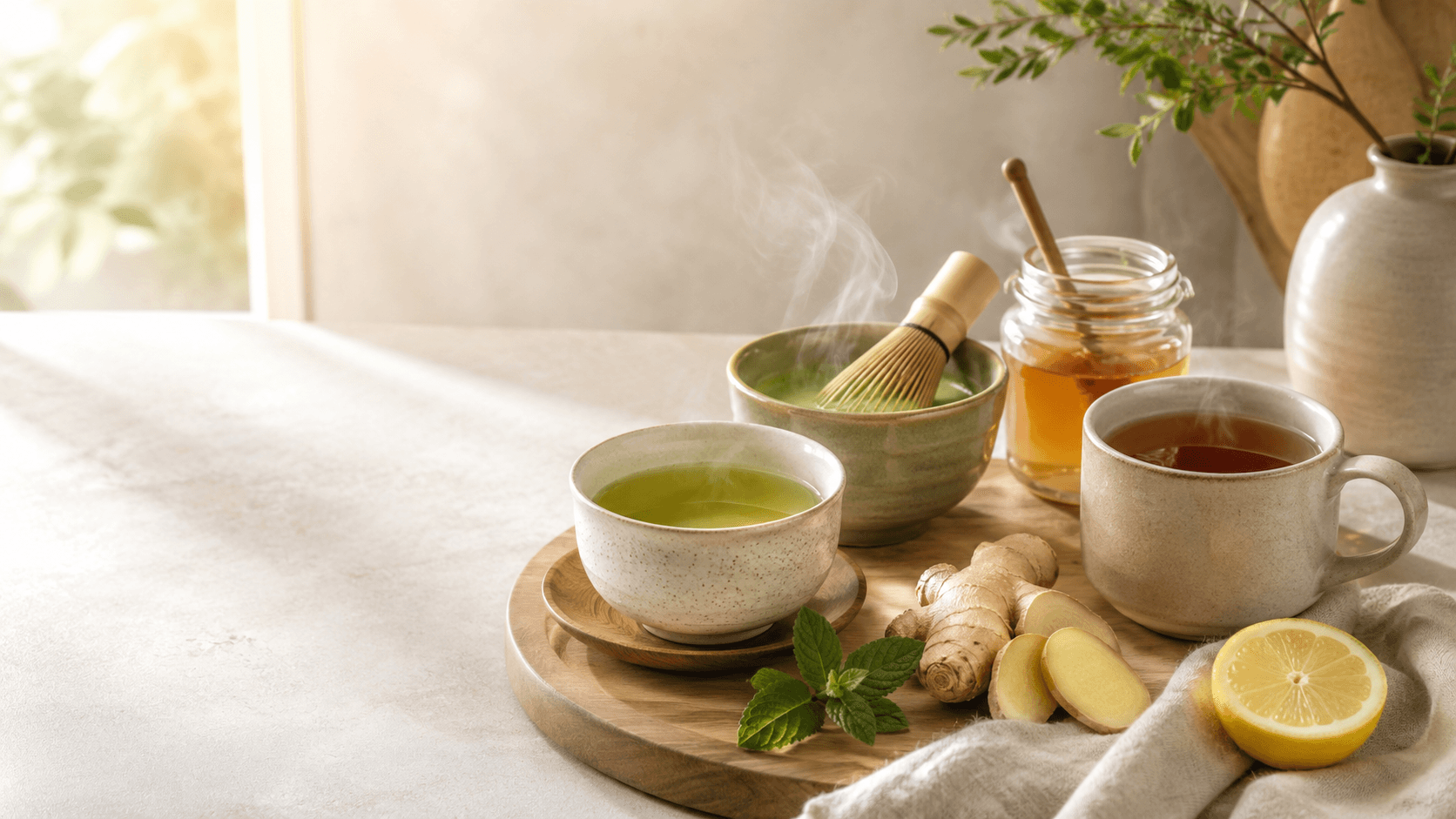
Boiling Water to the Correct Temperature: Not all teas require boiling water; some, like green tea, are best brewed at slightly lower temperatures to suit their flavor. Generally, boiling water is suitable for herbal and black teas, while green and white teas are often brewed at 175°F to 185°F (80°C to 85°C).
Steeping for Flavor: Steeping time is crucial for balancing flavor and strength. Typically, herbal teas benefit from a longer steeping time of around 5 to 10 minutes, whereas green tea may need only 2 to 3 minutes to avoid bitterness.
Adding Flavor: Honey adds sweetness and lemon adds brightness. Neither addition establishes that the tea works as a decongestant.
Following these steps can create a cup you enjoy. Let the ritual offer a pause in your day for comfort and relaxation.
Other Self-Care Options During Sinus Congestion

Tea can accompany self-care, but combining remedies does not establish faster recovery. Here are a few options to consider separately, with attention to their instructions and limitations:
Humidifiers: CDC includes a clean humidifier among home measures. Follow its cleaning instructions; a tea routine is not needed for it to be useful.
Hot Soup: A bowl of soup can be an enjoyable food and fluid choice when you feel unwell. Spices, herbs, and steam do not establish it as an anti-inflammatory treatment for sinus congestion.
Neti Pot: A neti pot allows you to flush your nasal passages with a saline solution, helping to clear out mucus and allergens. Regular use, especially during sinus congestion, can help maintain clear nasal passages and reduce discomfort. For nasal rinsing, the FDA advises using distilled, sterile, or previously boiled and cooled water, and following the device instructions.
Essential Oils — Evidence and Caution: An aromatic or cooling sensation is not evidence of decongestion. This guide does not recommend diffusing or applying essential oils as a sinus treatment; concentrated oils are different from brewed tea.
Keep comfort measures separate from claims about recovery. For severe or concerning symptoms, use the medical-care guidance linked above rather than relying on a combination of teas and remedies.
A Comfort Routine During Sinus Congestion

Sinus congestion can disrupt daily life. A warm drink may feel comforting, while appropriate symptom care depends on the cause and severity of your symptoms. Choose a tea you enjoy without expecting it to treat an infection or replace medical advice.
Here's a recap of this comfort-focused tea guide:
Tea for Personal Comfort: Peppermint, ginger, chamomile, and green tea offer different flavors and aromas. Brew according to taste and enjoy a moment of peace if it feels good to you.
Other Self-Care Considerations: A clean humidifier, food and fluids, and properly used saline-rinsing devices serve different purposes. Combining them with tea is not an established treatment plan, and essential oils are not recommended here as decongestants.
A tea ritual can be enjoyable during an uncomfortable day. It should not be presented as a proven strategy for immediate relief, long-term prevention, or faster recovery from sinus illness.
If you enjoy these teas, choose one for its flavor and aroma while you follow appropriate care for your symptoms.
As we conclude, aim for comfort and pay attention to symptoms that need medical assessment. Here's to finding a cup you enjoy while you take care of yourself.
Advertisement