Tea and Urinary Tract Infections: Hydration, Evidence, and Care.
Explore tea choices, hydration, the limits of UTI claims, and when to seek medical care.

Urinary tract infections (UTIs) are a common and often painful condition that affects millions yearly. Characterized by symptoms like a frequent urge to urinate, a burning sensation during urination, and cloudy or strong-smelling urine, UTIs can significantly impact daily life. While antibiotics are the primary treatment for these infections, many seek natural remedies to prevent recurrence and alleviate symptoms.
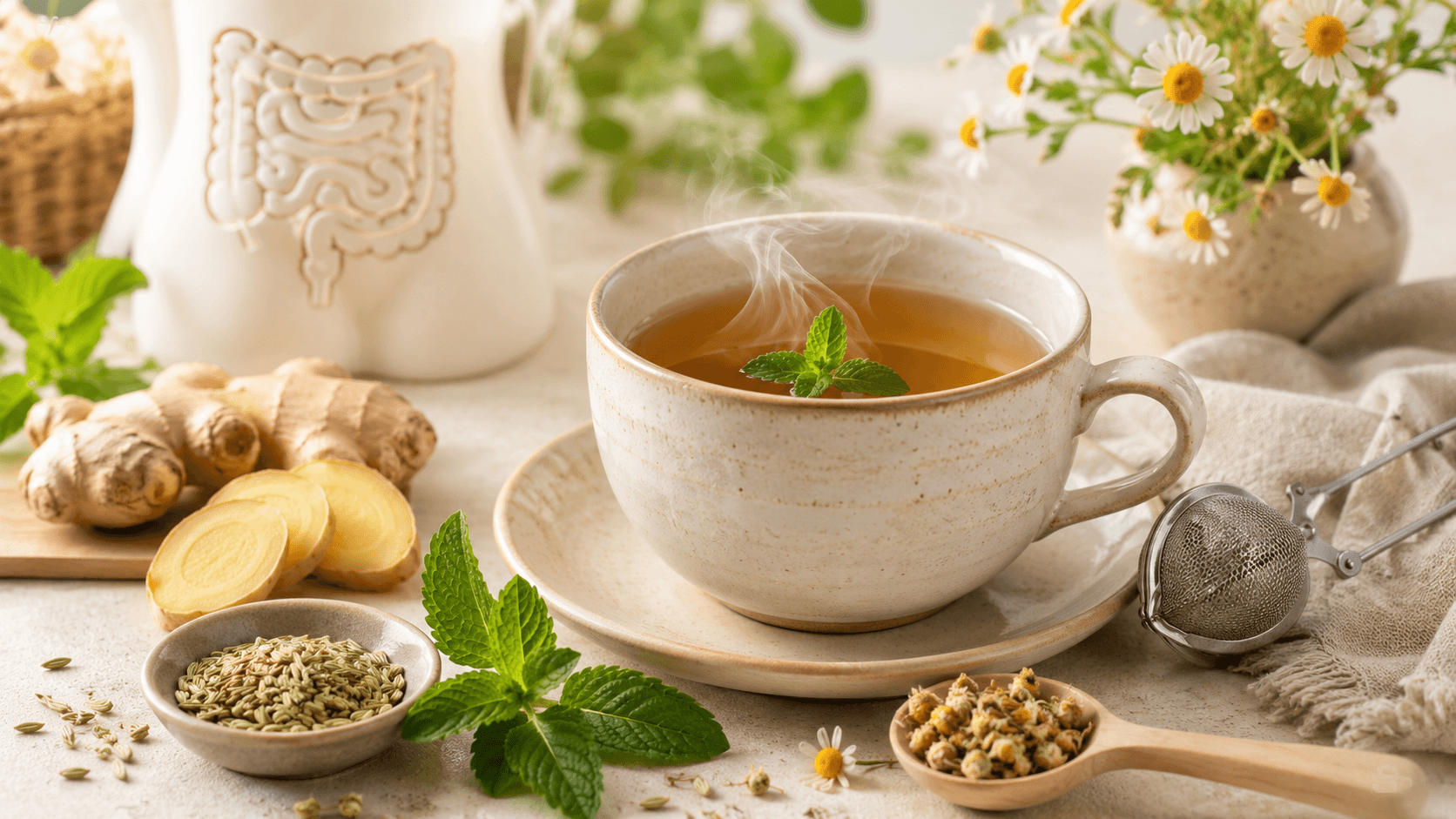
Tea can be a comforting drink, but it is not an established treatment or preventive remedy for UTIs. This guide looks at familiar teas, what the evidence can and cannot tell us, and how to keep beverage choices separate from medical care.
If you think you have a UTI, contact a healthcare professional rather than relying on a tea’s advertised antimicrobial, anti-inflammatory, or diuretic properties. Tea can be part of a comforting routine, while diagnosis and treatment address the infection.
Tea, Hydration, and UTIs: What to Know

Tea can be enjoyable, but traditional use and laboratory findings do not establish that a tea treats a UTI. Here is how to interpret some common claims:
Laboratory Antimicrobial Research
Laboratory research on tea compounds should not be confused with treatment in people. A laboratory study found that a standardized green tea extract inhibited E. coli isolates from UTIs. This does not show that drinking green tea treats or prevents a UTI.
Claims About Inflammation
A comforting cup may feel pleasant, but the evidence cited here does not establish that chamomile or peppermint tea reduces bladder inflammation, pain, or irritation.
Claims About Diuretics
Increasing urine production with an herb is not the same as clearing an infection. The evidence cited here does not establish dandelion or hibiscus tea as a way to flush out UTI bacteria or speed recovery.
Hydration
Adequate hydration is part of supportive care for bladder infections; NIDDK identifies water as the best choice. This guidance does not establish that a particular tea treats the infection. Not every herbal blend is caffeine-free, and fluid needs depend on your health.
Antioxidants and Immunity Claims
Antioxidant content does not establish that a tea strengthens immune defenses against UTIs. A tea should not be chosen as an infection-fighting treatment on that basis.
Soothing and Calming
A warm drink and a quiet pause can be comforting when you feel unwell. That personal comfort is different from treating UTI symptoms or changing the immune response.
The next section introduces familiar teas for their flavor and preparation, alongside the limits of the UTI claims often made about them.
Tea Options and the Limits of UTI Claims

These teas offer different flavors, but the evidence discussed here does not identify a best tea for treating or preventing a UTI.
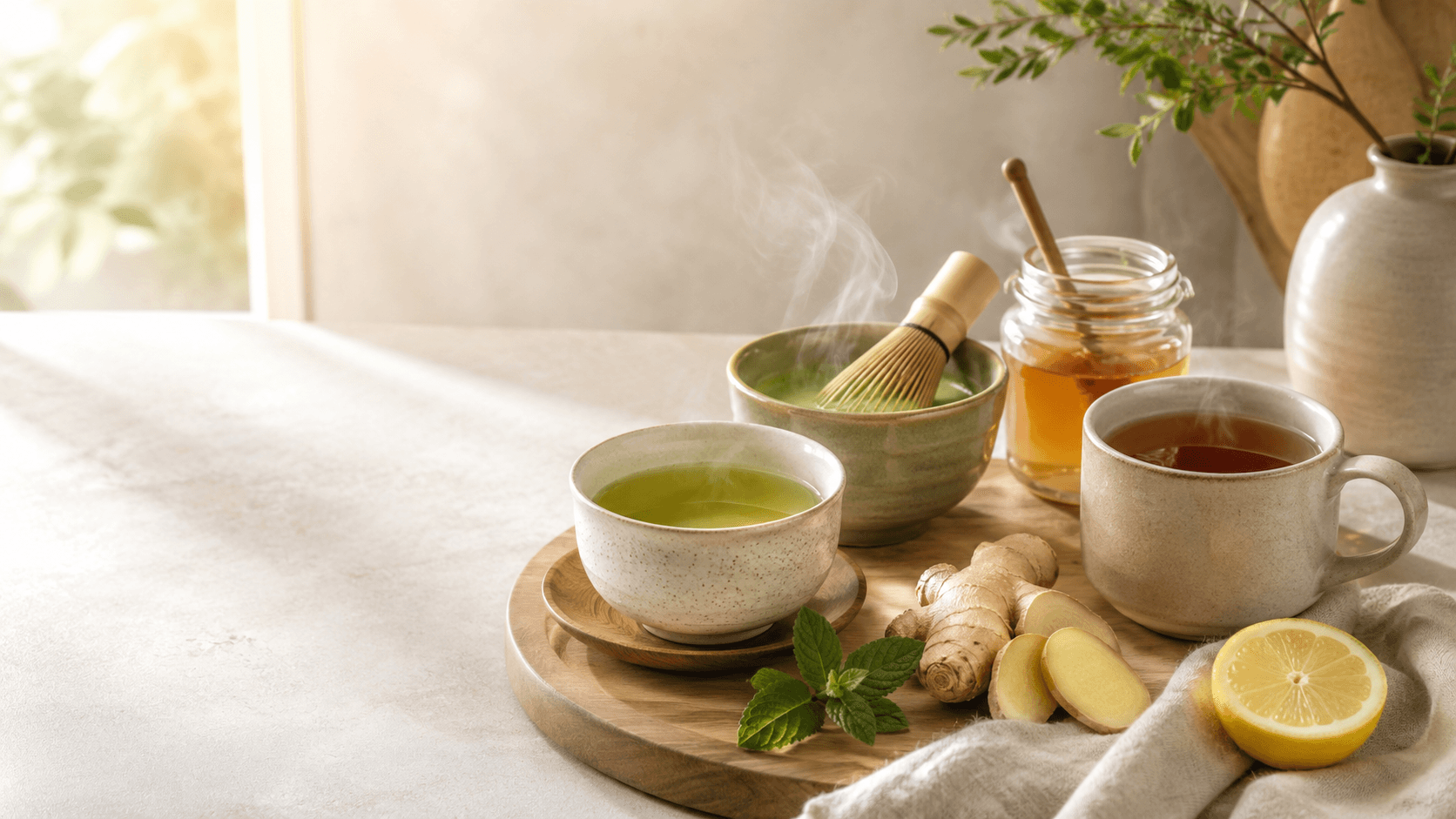
Green Tea
Green Tea and UTI Evidence:
Green tea extract has shown activity against bacteria in the laboratory, as described above. That does not establish that drinking green tea soothes the bladder, relieves UTI pain, or clears the infection.
How to Prepare and Consume:
Ingredients: Green tea leaves or bags, hot water, lemon or honey (optional)
Preparation: Steep 1 teaspoon of green tea leaves (or 1 tea bag) in hot water (not boiling) for 2-3 minutes. Strain and add lemon or honey for flavor if desired.
Consumption: There is no established daily amount of green tea for UTI treatment or prevention. Choose it for enjoyment if it suits you, and remember that it contains caffeine.
Chamomile Tea
Flavor and Comfort:
Chamomile is a familiar floral tea. NCCIH notes that reliable clinical evidence is insufficient for its health uses; drinking it has not been established here as a treatment for bladder inflammation or UTI pain.
Preparing Chamomile for Flavor:
Ingredients: Chamomile flowers or tea bags, hot water, honey (optional)
Preparation: Steep 1 tablespoon of chamomile flowers (or 1 tea bag) in hot water for 5-10 minutes. Strain and sweeten with honey if preferred.
Consumption: Enjoy chamomile for its flavor if it suits you, rather than following a medicinal cups-per-day schedule. Allergies and medicine interactions are possible.
Peppermint Tea
Peppermint and UTI Evidence:
Peppermint has a refreshing flavor, but research on peppermint leaf is limited. Evidence about peppermint oil or laboratory compounds does not establish that leaf tea fights a UTI or relieves urinary discomfort.
Preparing Peppermint for Flavor:
Ingredients: Fresh peppermint leaves or tea bags, hot water
Preparation: Steep a handful of fresh peppermint leaves (or 1 tea bag) in hot water for 5-7 minutes. Strain and enjoy as is or with a touch of honey.
Consumption: There is no established cups-per-day schedule for peppermint tea to produce UTI benefits.
Hibiscus Tea
Hibiscus Flavor and Evidence:
Hibiscus offers a tart flavor. This guide does not establish that hibiscus tea flushes out UTI bacteria or strengthens the immune system against infection.
Best Ways to Enjoy This Tea:
Ingredients: Dried hibiscus flowers or tea bags, hot water, honey or lime (optional)
Preparation: Steep 1 tablespoon of dried hibiscus flowers (or 1 tea bag) in hot water for 5-10 minutes. Strain and add honey or lime for flavor.
Consumption: Enjoy hibiscus as a beverage if it suits you; a daily tea schedule is not an established way to prevent or relieve a UTI.
Dandelion Tea
Dandelion Flavor and Evidence:
Dandelion root tea has an earthy flavor, but its reputation as a urinary “detox” is not established clinical evidence. NCCIH reports very limited human research and no compelling evidence for treating a health condition.
Preparation Tips and Usage:
Ingredients: Dandelion roots or tea bags, hot water
Preparation: Boil 1 teaspoon of dandelion roots in water for about 10 minutes. Strain and serve.
Consumption: Do not use a daily dandelion-tea schedule as UTI care. Safety in larger amounts is less understood, and medicine interactions are possible.
How to Incorporate These Teas into Your Routine

If you enjoy tea, it can fit into your day as a beverage. The examples below are flavor and preparation ideas, not a schedule for managing or preventing UTIs.
Morning Routine
If you enjoy dandelion’s earthy flavor, you might choose it with breakfast. Pick a time that suits your taste and routine.
Example:
Boil a teaspoon of dandelion roots in water for about 10 minutes.
Strain and enjoy with breakfast.
Mid-Morning Boost
Mid-morning green tea can be an alternative to coffee if you enjoy its flavor. It contains caffeine, so choose a product and serving size that suit you.
Example:
Steep 1 teaspoon of green tea leaves or a bag in hot water (not boiling) for 2-3 minutes.
Add a slice of lemon or a bit of honey if desired.
Afternoon Relaxation
Peppermint’s fresh flavor or chamomile’s floral notes can make an enjoyable afternoon pause. Choose the flavor you find most pleasant.
Example for Peppermint Tea:
Steep fresh peppermint leaves or a tea bag in hot water for 5-7 minutes.
Drink it as a refreshing, cooling beverage.
Example for Chamomile Tea:
Steep chamomile flowers or a tea bag in hot water for 5-10 minutes.
This tea can be enjoyed plain or with a touch of honey.
Evening Wind-Down
Hibiscus tea can be a tart, colorful option if you enjoy it in the evening. Try it plain first, then adjust the flavor to your taste.
Example:
Steep 1 tablespoon of dried hibiscus flowers or a tea bag in hot water for 5-10 minutes.
Add honey or lime to enhance the flavor if desired.
Combining Teas for Flavor
Mixing green tea with peppermint can create a refreshing flavor. Experiment with combinations to find a blend you enjoy.
Example:
To prepare a blend of green and peppermint tea, steep both tea bags or leaves in hot water for 3-5 minutes.
Enjoy this blend whenever it suits your taste and routine.
Hydration and Consistency
Drink enough fluids for your needs, with water as the first choice. A fixed tea schedule is unnecessary for UTI care. If you have a condition that limits fluids, ask your healthcare professional about the right amount for you.
Additional Tips for UTI Prevention and Relief

Medical care and everyday habits are more relevant to UTI prevention and relief than choosing a particular tea. Here are some points to discuss or keep in mind:
Stay Hydrated
Drinking enough liquids helps maintain hydration and can support care for bladder infections. Water is the preferred choice; liquids do not replace treatment for an infection.
Tip: Keep water available, and ask about your fluid needs if you have kidney, heart, or other conditions that affect how much you should drink.
Practice Good Hygiene
Healthy bathroom habits include wiping from front to back and using the bathroom when you feel the urge. These practical steps do not guarantee that an infection will be prevented.
Tip: Avoid routinely holding urine, and take time to empty your bladder when you go.
Wear Breathable Underwear
Cotton underwear and loose-fitting clothes may be comfortable choices. NIDDK notes that some healthcare professionals think trapped moisture may increase infection risk; this is not a guarantee that a fabric prevents UTIs.
Tip: Consider loose-fitting clothing that feels comfortable and does not trap moisture.
Probiotics: What Is Known
Probiotic products contain live microorganisms, and some are found in fermented foods. Their effects depend on the product and strain; a general benefit for the urinary tract should not be assumed.
Tip: Do not start a daily probiotic supplement on the assumption that it prevents UTIs. NCCIH’s review of the evidence does not establish a preventive benefit, and a clinician can help assess whether a product is appropriate for you.
Avoid Irritants
Harsh soaps, douches, or fragranced products may cause irritation. Irritation is not the same as a bacterial UTI, and avoiding a product does not treat an infection.
Tip: If symptoms seem related to a personal-care product, discuss that with a healthcare professional. Do not assume that changing products is enough to address a suspected infection.
Maintain a Healthy Diet
A varied diet can be part of everyday well-being, but vitamin C foods should not be presented as a way to acidify urine enough to prevent a UTI. The dietary guidance linked above does not establish diet as UTI treatment or prevention.
Tip: Include a variety of fruits, vegetables, and whole grains in your diet to ensure you're getting essential nutrients.
Herbal Supplements
Cranberry products may reduce recurrent UTI risk in some women, but findings are inconsistent and depend on the population and product. They do not treat an existing UTI.
Tip: If UTIs recur, discuss prevention options with your healthcare professional rather than starting a daily cranberry supplement on your own.
Regular Check-Ups
If infections recur, a healthcare professional can assess possible causes and discuss prevention options. Do not rely on a routine check-up to address new urinary symptoms.
Tip: Contact a healthcare professional when UTI symptoms occur, rather than waiting for an annual visit.
A comfortable routine can include tea, water, and everyday habits. Treat the teas here as beverage choices, while medical evaluation guides treatment and prevention of recurring infections.

UTIs can be uncomfortable and can recur. The teas discussed here offer different flavors and a warm-drink ritual; they are not established ways to fight urinary bacteria, heal the bladder, or prevent infection.
Staying adequately hydrated and following healthy bathroom habits can be useful parts of care. Recurrent symptoms deserve an individualized prevention discussion; probiotics, underwear, and diet should not be presented as a complete prevention plan.
If tea brings you comfort, enjoy it as a beverage that suits your preferences and health circumstances. It should not delay diagnosis or replace treatment for an infection.
Contact a healthcare professional if you have UTI symptoms, even if they are not severe. Prompt care is especially important if you have fever or chills, vomiting, or pain in your back or side.
Thank you for reading! If you found this guide helpful, consider sharing its distinction between a comforting cup and proper UTI care.
Advertisement