
Discovering the Best Sleepytime Tea: Your Guide to a Restful Night.
Learn about top picks, brewing tips, and complementary lifestyle habits.
You know that strange little moment at night when your body is exhausted, your pillow is practically calling your name, and your brain suddenly decides it’s time to review every conversation you’ve had since 2014?
Lovely.
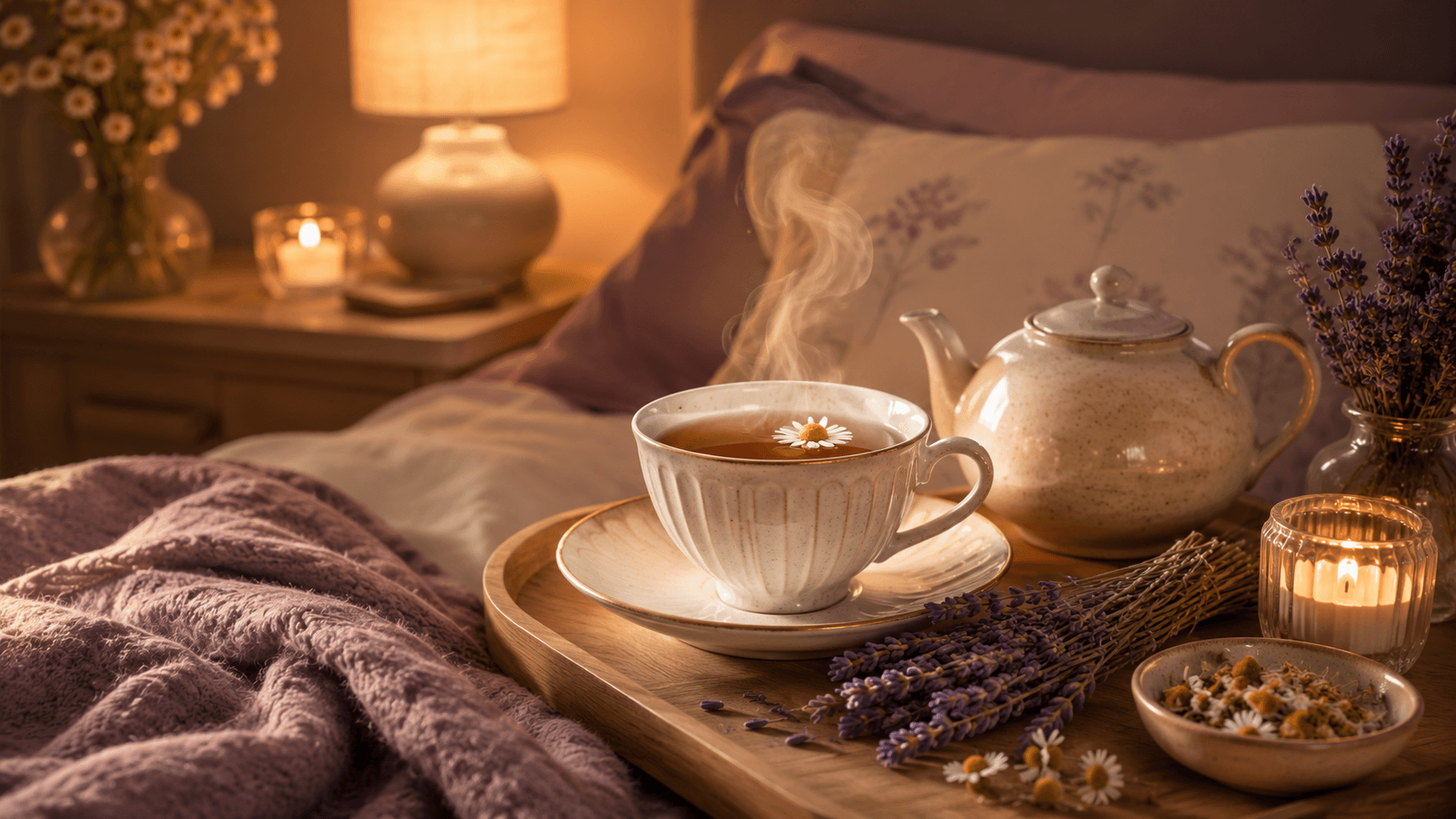
That is usually when a warm cup of sleepytime tea starts to feel less like a drink and more like a tiny act of mercy.
But here’s the thing: the best sleepytime tea is not a magic wand. It will not knock you out like a cartoon frying pan. And honestly, we do not want that. What we want is gentler. Better. More realistic.
We want a calming evening ritual that tells your body, Hey, the day is done now. You can stop carrying the whole world on your shoulders.
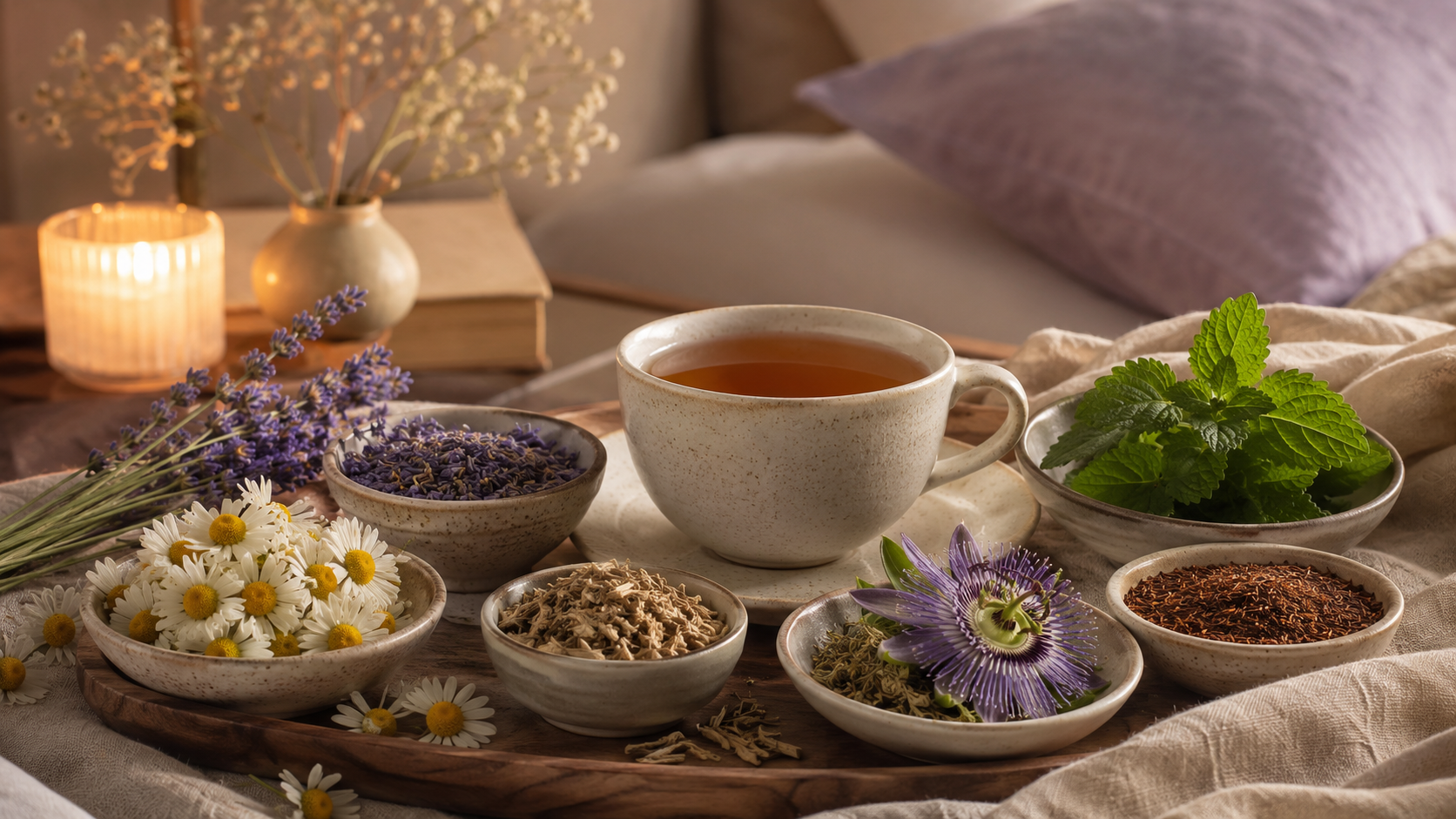
Sleepytime teas are usually caffeine-free herbal blends made with soothing ingredients like chamomile, lavender, lemon balm, passionflower, valerian root, or rooibos. Some are floral and delicate. Some are earthy and strong. Some taste like a cozy blanket decided to become a beverage.
The trick is knowing which one fits you.
Because the best sleepytime tea is not always the fanciest box on the shelf. It is the one you will actually drink, enjoy, and make part of a peaceful bedtime routine.
In this guide, we’ll walk through what sleepytime tea really is, which calming herbs are worth looking for, how to choose a blend that fits your evening mood, and how to brew it in a way that feels comforting instead of complicated.
No wellness drama.
No miracle claims.
Just a warm mug, a quieter night, and a simple ritual that helps you ease into rest—one sip at a time.
What Is Sleepytime Tea, Really?
Sleepytime tea is a cozy name for a simple idea: a warm, caffeine-free herbal drink made to help you slow down before bed.
It is usually not “tea” in the traditional sense.
Classic teas like black tea, green tea, white tea, and oolong come from the Camellia sinensis plant. They naturally contain caffeine. Sleepytime tea, on the other hand, is usually an herbal infusion made from flowers, leaves, roots, seeds, or spices.
Think chamomile flowers.
Lavender buds.
Lemon balm leaves.
Valerian root.
Passionflower.
Rooibos.
Maybe a little cinnamon or vanilla if the blend wants to wear fuzzy socks.
The goal is not to force sleep. The goal is to create a gentle transition between your busy day and your bedtime.
That matters because sleep does not usually arrive like a light switch.
It arrives more like a guest who needs an invitation.
A warm cup of herbal tea can become that invitation. You boil the water. You steep the herbs. You hold the mug. You breathe in the steam. You take a few slow sips.
Your body starts to understand the message.
We are winding down now.
The best sleepytime tea is usually caffeine-free, soothing in flavor, and easy enough to make that you will not avoid it when you are tired. Because let’s be honest: a bedtime ritual that requires seventeen steps, a tiny golden spoon, and emotional commitment is not a ritual.
It is homework.
A good sleepytime tea should feel like the opposite of homework. It should feel like permission to stop.
And that is where the right ingredients make all the difference.
The Best Sleepytime Tea Ingredients to Look For
The tea aisle can feel surprisingly dramatic.
One box promises calm. Another whispers “deep sleep.” Another has a moon, a meadow, and a woman in linen who looks like she has never once checked her phone at midnight.
Beautiful? Yes.
Helpful? Sometimes.
But the real secret is not the box. It is the ingredient list.
When you are choosing the best sleepytime tea, look for calming, caffeine-free herbs that support a gentle nighttime routine. Here are the ones worth knowing.
Chamomile Tea — The Gentle Classic
Chamomile is the soft cardigan of bedtime teas.
It is light, floral, familiar, and easy to find. If you are new to sleepytime tea, chamomile is usually the best place to start because it does not taste too strong or medicinal.
It works beautifully on its own, but it also blends well with lavender, lemon balm, honey, vanilla, or rooibos.
Choose chamomile if you want something simple, cozy, and beginner-friendly.
Lavender Tea — For a Softer Evening Mood
Lavender is all about aroma.
It brings that spa-at-home feeling without asking you to actually own a spa robe. Its floral scent can make your bedtime routine feel calmer and more intentional.
But lavender can be strong, so a little goes a long way. Too much lavender and your tea may start tasting like you accidentally brewed a sachet from your linen closet.
The sweet spot?
A blend with chamomile and just a touch of lavender.
Lemon Balm Tea — Calm Without Feeling Heavy
Lemon balm has a gentle citrus-herbal flavor that feels fresh, light, and peaceful.
It is a lovely choice if you do not love floral teas. Chamomile and lavender can feel too “perfume-y” for some people. Lemon balm feels brighter.
Think of it as the friend who lowers the volume in the room without making everything sleepy and slow.
Lemon balm pairs well with chamomile, passionflower, mint, and rooibos.
Valerian Root Tea — The Stronger Bedtime Option
Valerian root is often used in sleep-focused tea blends, but let’s be honest about the flavor.
It is earthy.
Very earthy.
Like “a forest floor wrote you a lullaby” earthy.
Some people love it. Some people need it blended with chamomile, peppermint, licorice root, or cinnamon to soften the taste.
Valerian root may feel stronger than other sleepytime herbs, so it is best for people who already enjoy herbal teas and want a more serious bedtime blend. It may also cause drowsiness, so be careful with medications, sedatives, or alcohol.
Passionflower Tea — A Quiet Little Wind-Down Helper
Passionflower is gentle, earthy, and often found in calming tea blends.
It does not usually take over the flavor. Instead, it plays nicely in the background with chamomile, lemon balm, lavender, or valerian.
Choose passionflower if you want a blend that feels relaxing but not overly heavy.
Rooibos Tea — The Cozy Caffeine-Free Base
Rooibos is not always marketed as a sleepytime tea, but it deserves a seat at the bedtime table.
It is naturally caffeine-free, smooth, slightly sweet, and delicious with vanilla, cinnamon, milk, or honey. If chamomile tastes too floral for you, rooibos can be a wonderful alternative.
It feels less like “I am trying to sleep” and more like “I am making my evening softer.”
And sometimes, that is exactly what you need.
So, What Is the Best Sleepytime Tea?
The best sleepytime tea is the one that matches your body, your taste buds, and your real evening life.
Not your imaginary evening life.
You know, the one where you do skincare slowly, read poetry by candlelight, and never scroll your phone under the blanket like a raccoon with Wi-Fi.
For most people, the best place to start is a caffeine-free chamomile-based blend with lavender or lemon balm. It is gentle, easy to find, pleasant to drink, and cozy without feeling too intense.
But there is not one perfect sleepytime tea for everyone. There is only the best sleepytime tea for your kind of tired.
If your mind feels busy, try chamomile + lemon balm.
If your evening feels tense, try chamomile + lavender.
If you want something stronger and more sleep-focused, try valerian root + chamomile.
If floral teas are not your thing, try rooibos + vanilla + cinnamon.
If you want something gentle after dinner, try peppermint + chamomile.
The most important rule is simple: choose a tea you actually enjoy. A tea can have the most beautiful ingredient list in the world, but if it tastes like wet twigs and regret, you will not make it part of your nighttime routine.
And the routine matters.
Because sleepytime tea works best when it becomes a signal. A tiny, repeated cue that tells your body, We are safe. We are home. We are done for today.
That is why the best sleepytime tea is not just about what is inside the mug.
It is about what happens around it.
How to Choose a Good Sleepytime Tea Blend
Choosing a sleepytime tea should not feel like decoding a secret herbal scroll.
Start with the label.
The first thing to check is whether the blend is truly caffeine-free. This matters because some teas look calm and bedtime-friendly, but still contain green tea, black tea, white tea, yerba mate, or guayusa.
Lovely teas.
Wrong time.
If you are drinking tea close to bedtime, choose herbal blends made with ingredients like chamomile, lavender, lemon balm, passionflower, valerian root, peppermint, or rooibos.
Next, look for a simple ingredient list.
A good sleepytime tea does not need to have twenty-seven herbs doing a group project in your mug. A few thoughtful ingredients are enough. Chamomile and lavender. Lemon balm and passionflower. Rooibos and vanilla. Simple blends are easier to understand, easier to enjoy, and easier to repeat.
Also, choose the flavor profile that fits you.
If you like soft and floral, go for chamomile or lavender.
If you like fresh and clean, try lemon balm or peppermint.
If you like warm and cozy, try rooibos with cinnamon or vanilla.
If you like earthy and stronger, valerian root may be worth trying.
And please, do not force yourself to drink a tea you hate just because the box looks peaceful.
Bedtime is not the moment for suffering with a mug.
The best sleepytime tea should feel like something you look forward to. Something that makes you think, Oh good, this is my little quiet moment.
One more gentle note: if you are pregnant, breastfeeding, taking sleep medication, anxiety medication, sedatives, blood thinners, or managing a health condition, check with a healthcare professional before using stronger herbs like valerian root or passionflower.
Herbal does not always mean harmless.
It means natural.
And natural things can still be powerful.
So choose thoughtfully. Brew gently. Sip slowly.
Your night does not need to be perfect.
It just needs a softer landing.
How to Brew Sleepytime Tea for the Best Flavor
A sleepytime tea can have beautiful ingredients and still taste disappointing if it is brewed like an afterthought.
Too weak, and it tastes like warm water wearing perfume.
Too strong, and suddenly your peaceful bedtime mug has become a personality test.
The good news: brewing sleepytime tea is simple.
Start with fresh water. Heat it until it is hot and steamy, but do not obsess over exact temperatures unless your blend includes delicate green or white tea. For most caffeine-free herbal teas, hot water works beautifully.
Then steep it long enough.
Most herbal sleepytime teas need 5 to 10 minutes to fully release their flavor. Chamomile, lemon balm, lavender, rooibos, peppermint, passionflower, and valerian root all need a little time to open up in the cup.
This is not instant tea.
This is a pause.
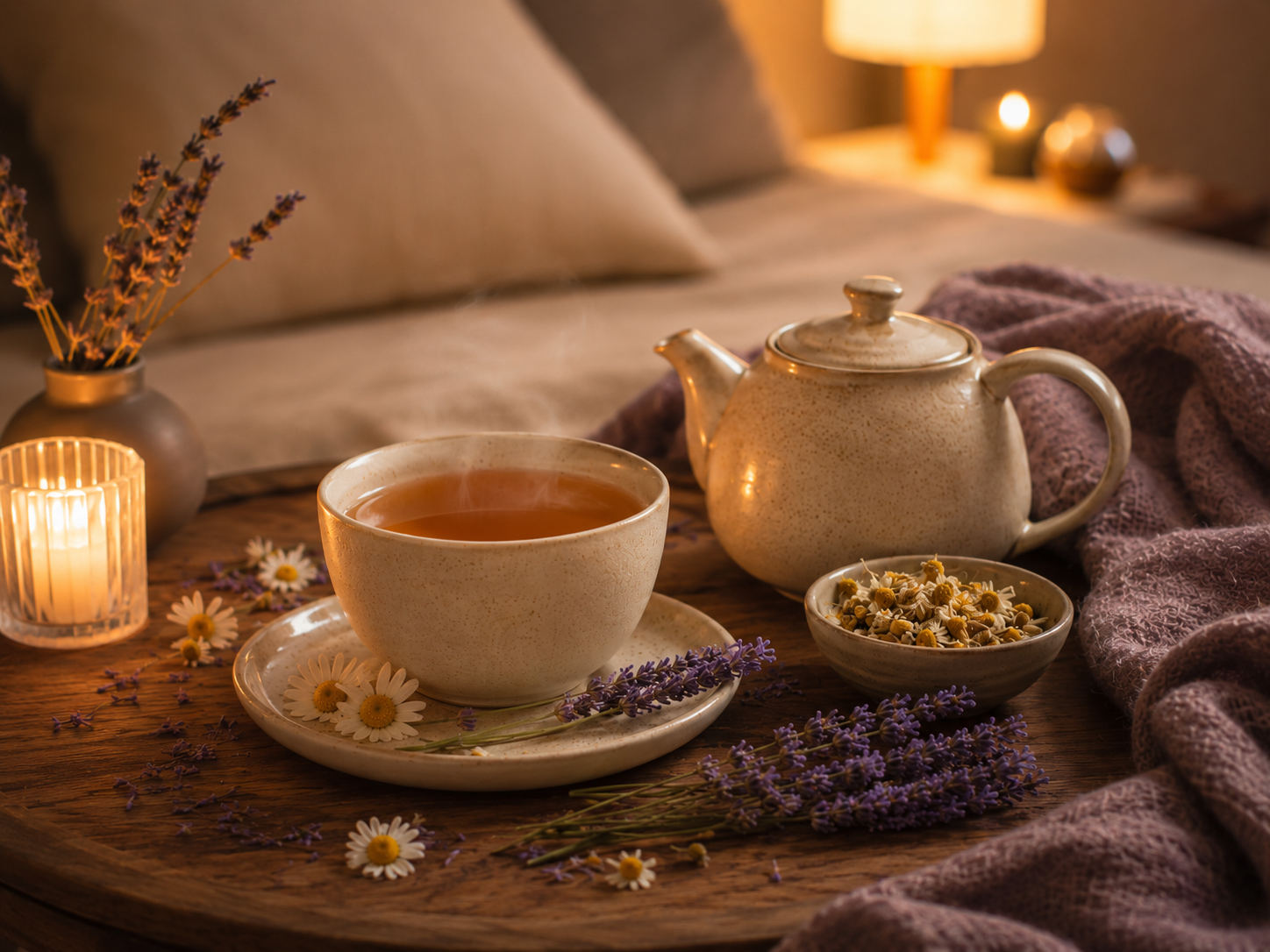
Cover your mug while it steeps if you can. A small saucer, a lid, or an infuser mug works well. This helps keep the warmth and aromatic oils inside, especially with fragrant herbs like lavender, peppermint, and chamomile.
Then sip slowly.
Not while answering emails.
Not while half-watching a dramatic video that makes your blood pressure pack a suitcase.
Let the tea become part of the wind-down.
A good starting routine looks like this:
Brew your sleepytime tea about 60 to 90 minutes before bed
Keep the portion moderate so you are not waking up for bathroom trips
Choose a favorite mug
Dim the lights
Put your phone away, or at least across the room
Sip slowly while reading, stretching, journaling, or simply doing nothing
Doing nothing is allowed.
Actually, it is underrated.
You can also add a small drizzle of honey if your tea tastes too earthy or bitter. Just keep it light. The goal is comfort, not dessert in pajamas.
The best sleepytime tea does not need to be complicated. It just needs a little care, a little patience, and a few quiet minutes where your body gets the message:
The day is closing.
You can close with it.
A Simple Homemade Sleepytime Tea Blend
Sometimes the best sleepytime tea is not the one you buy in a box.
Sometimes it is the one you make in a little jar at home, with herbs you actually like, in a blend that feels like your own personal “please let this day be over” recipe.
This homemade blend is gentle, floral, and calming without tasting too strong.
Gentle Chamomile Lavender Sleepytime Blend
Ingredients:
1 tablespoon dried chamomile flowers
1 teaspoon dried lemon balm
½ teaspoon dried lavender
Optional: a small piece of dried orange peel
Optional: a tiny drizzle of honey after steeping
How to make it:
Add the herbs to a tea infuser or teapot. Pour hot water over the blend. Cover and steep for 7 to 10 minutes.
Then strain, pour, and sip slowly.
That is it.
No complicated wellness ceremony required. No need to become a person who owns twelve glass jars labeled in perfect handwriting—although, honestly, if you do, I support the aesthetic.
The chamomile brings softness. The lavender adds a calming aroma. The lemon balm keeps the flavor bright instead of too flowery. The orange peel gives it a small citrus note, like a window cracked open in a quiet room.
If you prefer a sweeter bedtime tea, add a little honey. If you want it creamier, try it with a splash of warm milk or oat milk. If lavender tastes too strong to you, reduce it even more.
Lavender is lovely.
Lavender is also bossy.
A little goes a long way.
You can also make a small dry batch for the week. Mix the herbs in a clean glass jar and use about 1½ to 2 tablespoons per cup when you are ready to brew.
This makes your nighttime routine easier because the tea is already waiting for you.
And that matters.
At night, we do not need more decisions. We need fewer tabs open—in our browser and in our brain.
What Sleepytime Tea Can and Can’t Do
Sleepytime tea can be a beautiful part of your evening.
But it is not a tiny herbal magician in a mug.
It helps most when we understand what it can do—and where we should stop expecting miracles from a handful of flowers and leaves.
Sleepytime tea can help you create a calming bedtime routine. The warmth, the aroma, the slow sipping, the simple act of preparing something gentle for yourself—all of that can tell your body, we are winding down now.
It can also help you replace habits that may keep you awake.
A cup of caffeine-free herbal tea is a much kinder nighttime choice than late coffee, black tea, green tea, energy drinks, or the classic “I’ll just check one thing on my phone” routine that somehow becomes forty minutes of scrolling.
We have all been there.
Sleepytime tea can also support relaxation for some people, especially when it includes herbs like chamomile, lemon balm, lavender, passionflower, or valerian root.
But sleepytime tea cannot cure insomnia.
It cannot erase chronic stress.
It cannot undo a full evening of bright screens, heavy meals, late caffeine, and a racing mind that has been ignored all day and now wants a meeting at 11:47 p.m.
Rude, but relatable.
Tea is support.
Not a substitute for sleep care.
If you regularly struggle to fall asleep, wake up often, snore heavily, feel exhausted during the day, or depend on sleep aids, it may be time to talk with a healthcare professional. Your body may be asking for more than a bedtime blend.
And because herbs can be powerful, use extra care with stronger sleepytime ingredients. Valerian root and passionflower may not be right for everyone, especially if you are pregnant, breastfeeding, taking sedatives, using anxiety or sleep medication, drinking alcohol, or managing a health condition.
The best sleepytime tea works best as part of a bigger rhythm.
A softer evening.
A darker room.
A quieter mind.
A warm mug that says, you are allowed to stop now.
Build a Better Nighttime Tea Ritual
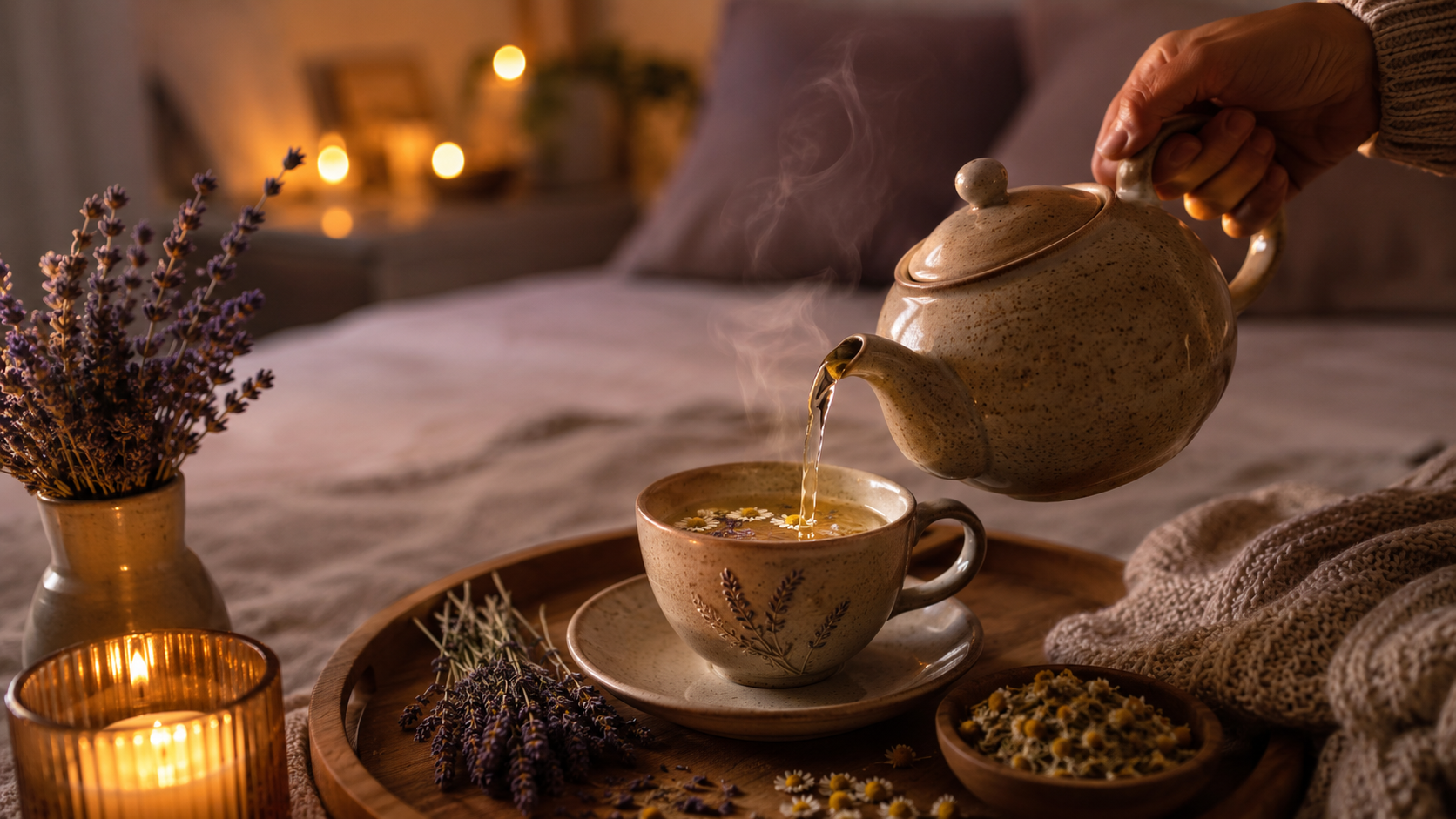
The best sleepytime tea becomes even better when it has a little ritual around it.
Not a complicated ritual.
Not the kind that requires candles, a silk robe, a sound bath, and a perfectly organized bedside table that looks like it belongs to a woman who never loses her lip balm.
Just a simple rhythm your body can recognize.
Start by choosing a time. About 60 to 90 minutes before bed is a sweet spot for many people. It gives you time to enjoy your tea without drinking so much liquid right before sleep that your bladder decides to become the main character at 2 a.m.
Then make the environment softer.
Dim the lights. Lower the noise. Put your phone somewhere slightly inconvenient. Not impossible. Just far enough away that reaching for it feels like a small athletic event.
Choose a mug you love.
This sounds tiny, but tiny things matter at night. A favorite mug can turn tea from “something I drink” into “something I do for myself.”
Then pair your tea with one quiet activity.
You might read a few pages of a book. Write one line in a journal. Stretch your shoulders. Listen to soft music. Sit by the window. Or simply hold the warm cup and let the steam remind you to breathe.
That counts too.
A nighttime tea ritual is not about becoming a perfect bedtime person. It is about creating one small signal that repeats:
The day is over.
You are safe.
You can rest now.
The best sleepytime tea is only part of that signal. The rest comes from the way you drink it: slowly, gently, and without asking your evening to become another productivity project.
Because rest is not another task to complete.
It is something you are allowed to receive.
Quick FAQ About Sleepytime Tea
What is the best sleepytime tea for beginners?
Chamomile tea is usually the best sleepytime tea for beginners.
It is gentle, caffeine-free, easy to find, and mild enough for most people who are just starting to explore bedtime teas. If plain chamomile feels too simple, look for a blend with lavender, lemon balm, or vanilla.
Start there.
Your bedtime routine does not need to begin with the strongest herb on the shelf.
Can I drink sleepytime tea every night?
Many gentle herbal teas can be enjoyed as part of a nightly routine, especially simple blends with chamomile, rooibos, lavender, peppermint, or lemon balm.
But stronger herbs, like valerian root or passionflower, may not be ideal for everyone every night.
This is where the boring-but-important advice matters: read the label, listen to your body, and check with a healthcare professional if you take medication, are pregnant, breastfeeding, or have a health condition.
Herbal tea can be gentle.
It can also be active.
Both things can be true.
Does sleepytime tea actually make you sleepy?
Sleepytime tea may help some people feel calmer and more ready for bed, especially when it is part of a consistent nighttime routine.
But it does not work like a sleeping pill.
Think of it more like lowering the lights in a room. The tea may not “force” sleep, but it can help create the conditions for sleep to feel more natural.
Warm mug.
Soft aroma.
Slow sipping.
Less scrolling.
Your body notices these little cues.
When should I drink sleepytime tea?
A good time to drink sleepytime tea is about 60 to 90 minutes before bed.
That gives you time to enjoy the ritual without drinking too much liquid right before sleep. Because nothing ruins a peaceful bedtime routine faster than waking up at 2 a.m. for a bathroom trip.
Keep the portion moderate and sip slowly.
The goal is calm, not a full teapot marathon.
Is sleepytime tea caffeine-free?
Most sleepytime teas are caffeine-free, but always check the label.
Some blends may include green tea, black tea, white tea, yerba mate, or other naturally caffeinated ingredients. These can be wonderful during the day, but not ideal when you are trying to wind down.
For bedtime, look for words like:
caffeine-free
herbal infusion
chamomile blend
rooibos blend
nighttime herbal tea
A calm-looking box is nice.
A clear caffeine-free label is better.
The Best Sleepytime Tea Is the One That Helps You Slow Down
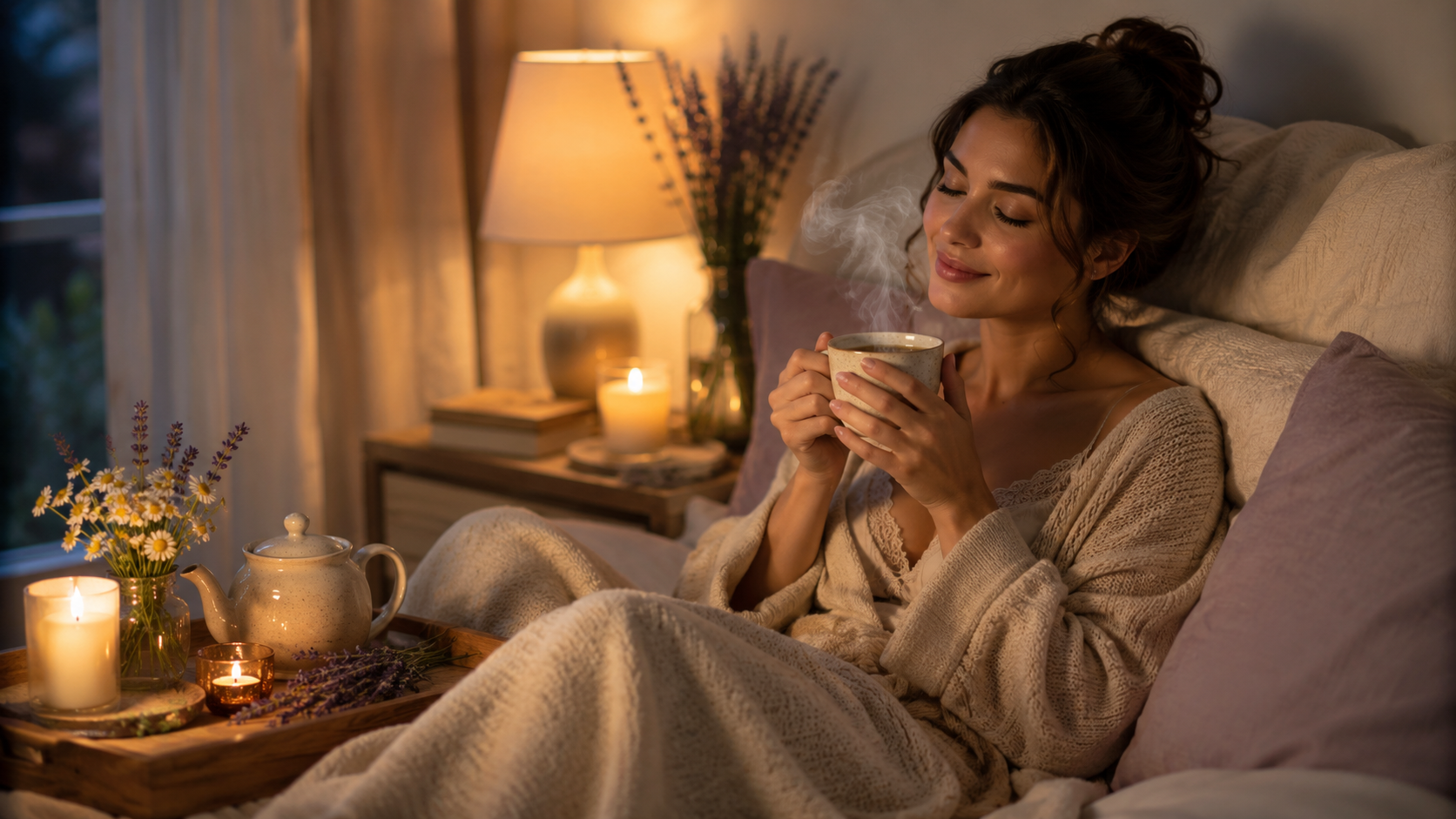
The best sleepytime tea is not always the strongest blend.
It is not always the most expensive box.
It is not always the one with the prettiest moon on the label, although we do appreciate a good moon moment.
The best sleepytime tea is the one that helps you slow down enough to hear yourself again.
For some people, that will be a gentle cup of chamomile with lavender. For others, it may be lemon balm with passionflower, rooibos with vanilla, or a stronger valerian root blend used with care.
But the real magic is not only in the herbs.
It is in the pause.
The kettle warming. The mug in your hands. The steam rising. The lights softening. The phone finally left alone like a misbehaving little goblin.
A good nighttime tea ritual reminds your body that rest does not have to be earned by doing more.
You can stop now.
You can make something warm.
You can let the day end.
So tonight, choose a caffeine-free blend you actually enjoy. Brew it gently. Sip it slowly. Let your sleepytime tea become a small, kind signal that your evening is closing and your body is allowed to rest.
Because sometimes a better night begins with something very simple.
A quiet cup.
A softer room.
One warm sip at a time.
Advertisement
Related Articles
Comments (0)
You must be logged in to leave a comment.
Log In to CommentNo comments yet. Be the first to share your thoughts!